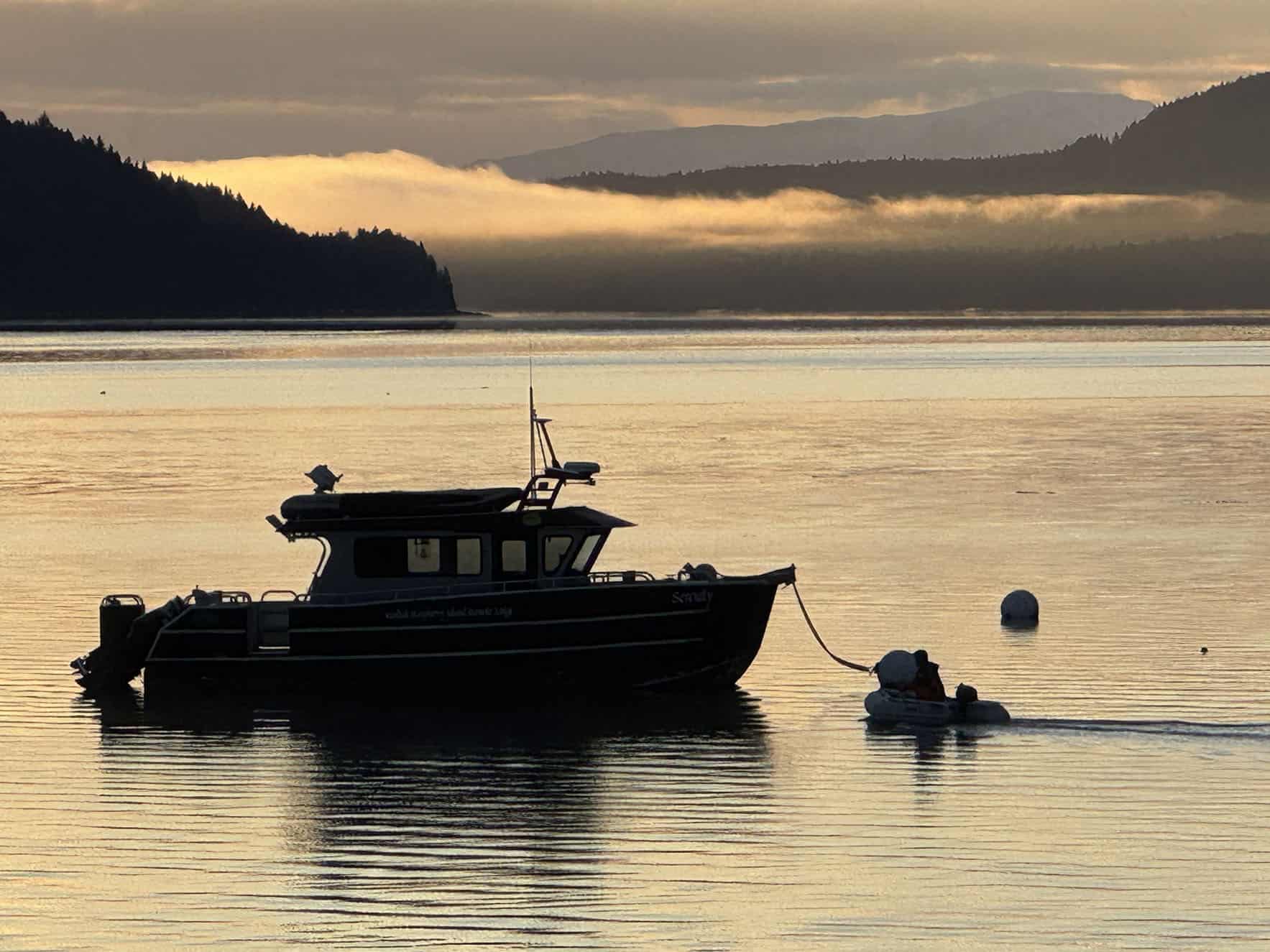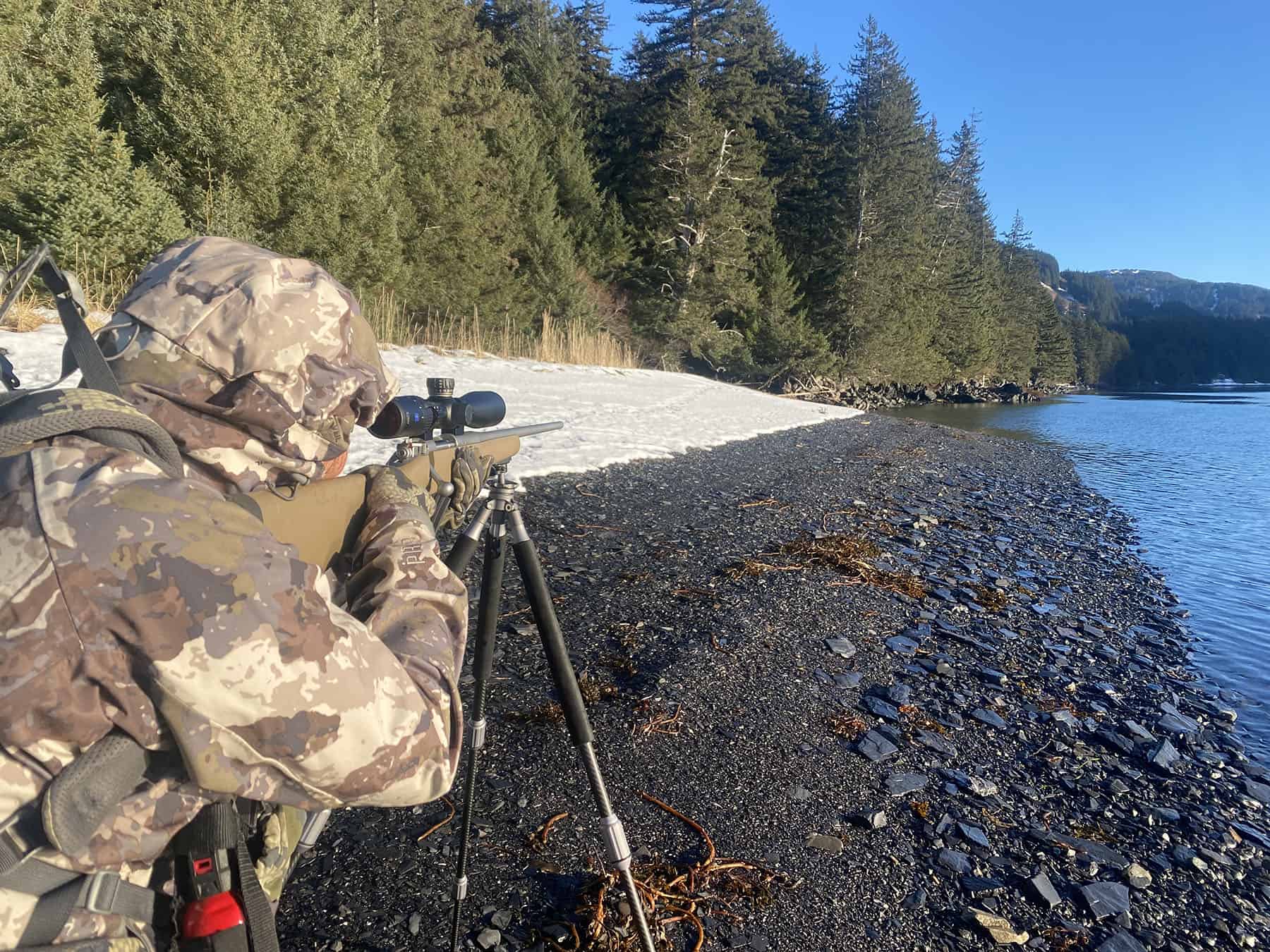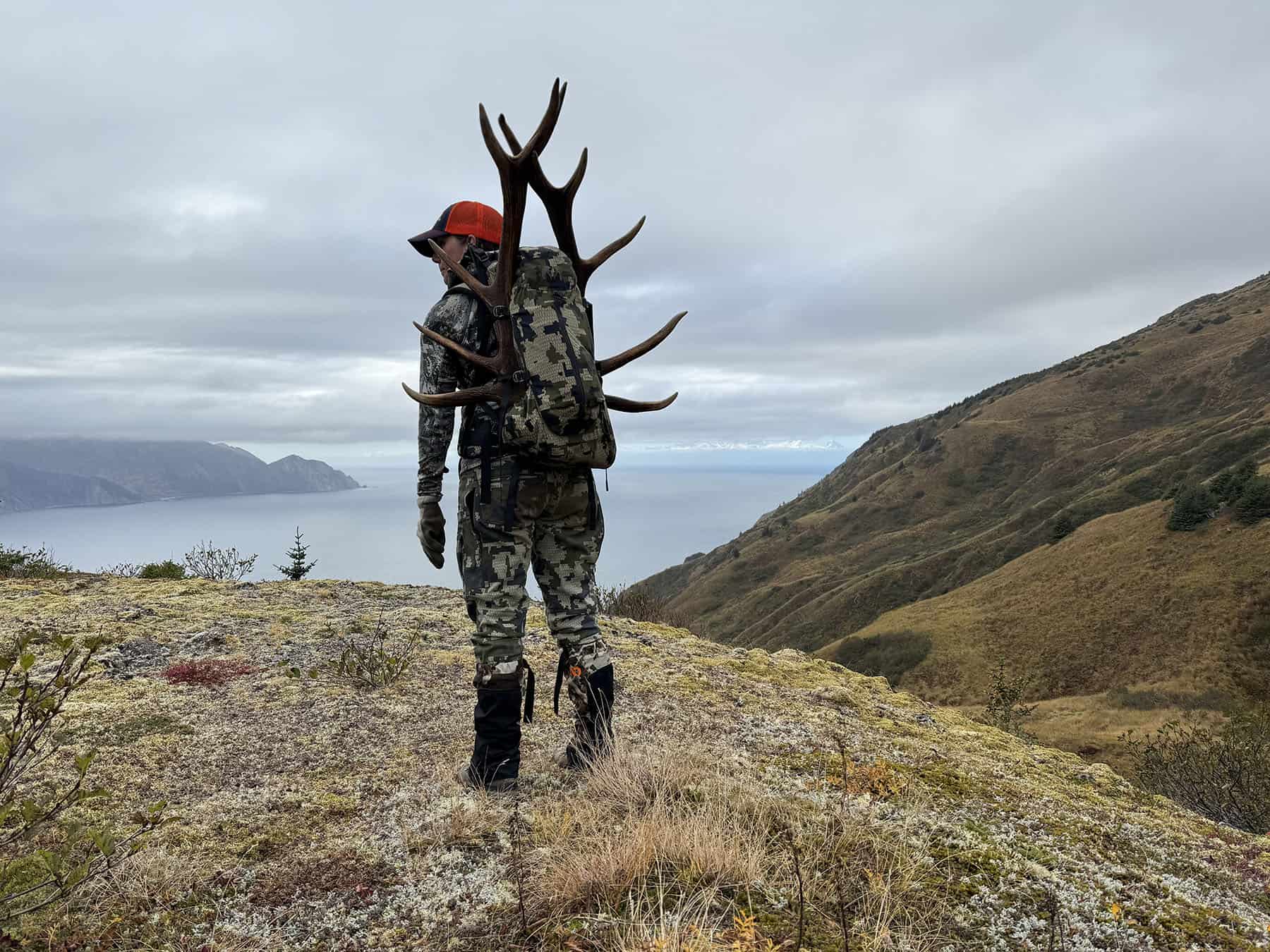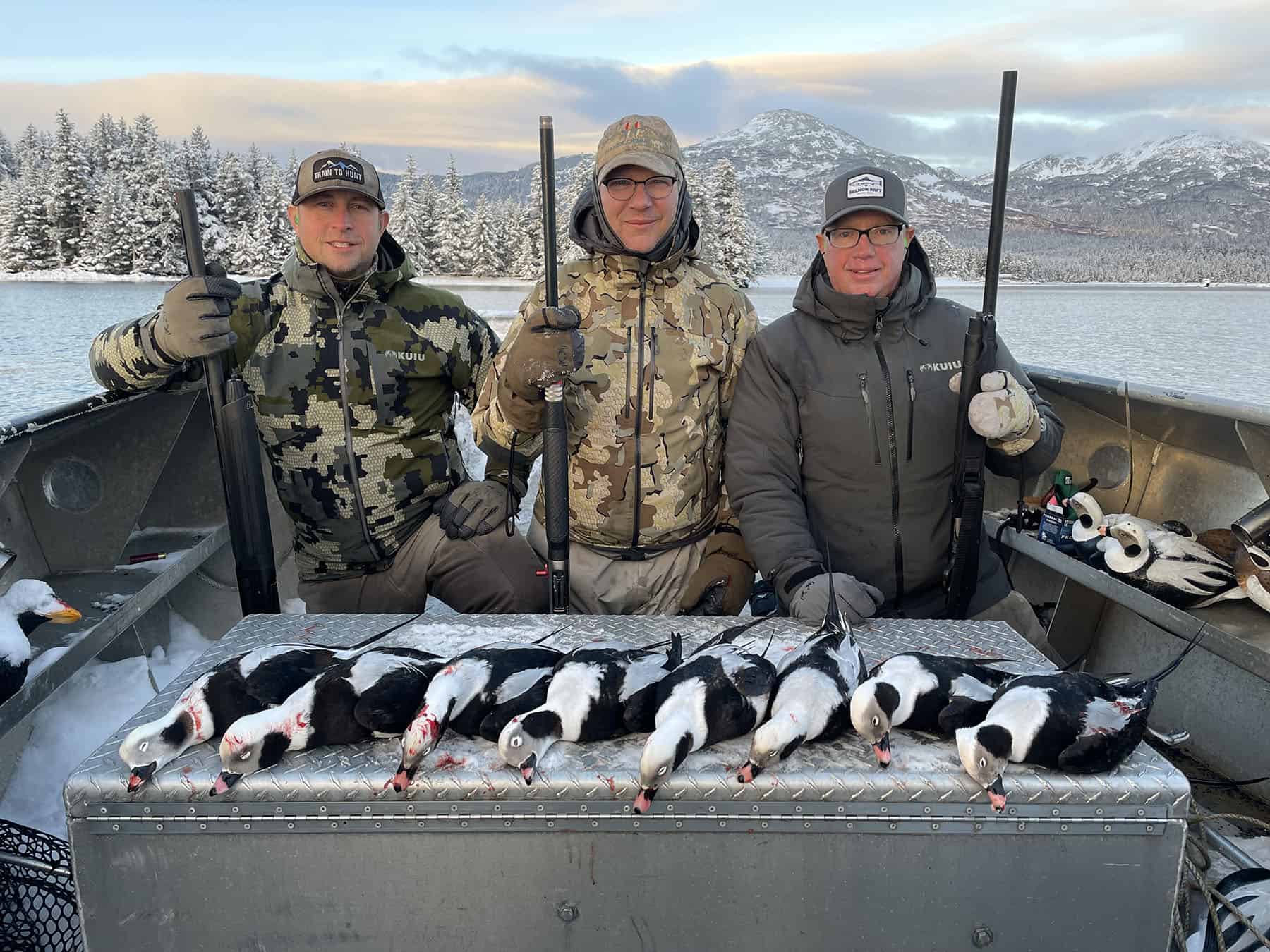

The Kodiak Island Archipelago

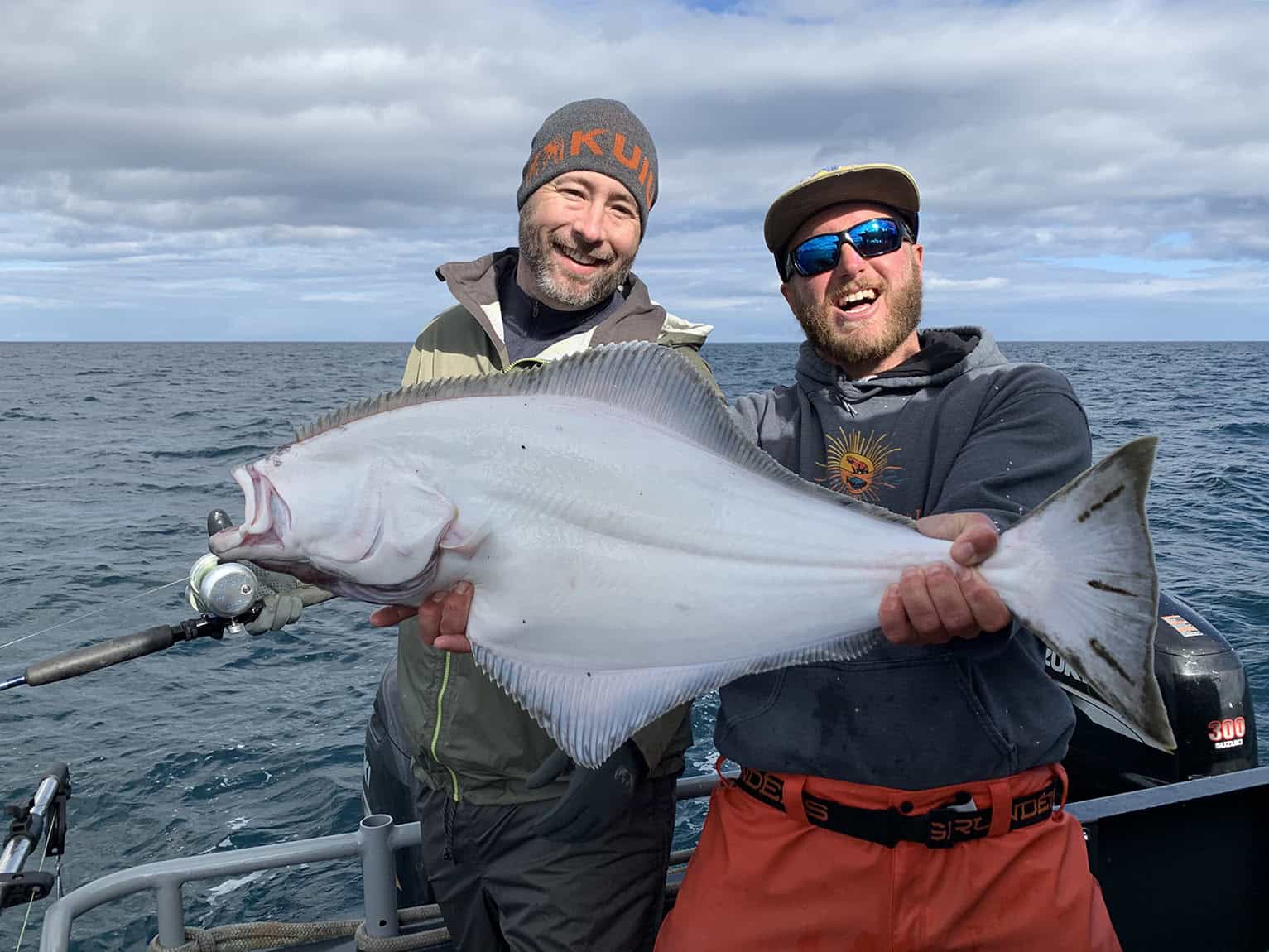
has been home to the Alutiiq/Sugpiaq people for thousands of years. Long before cabins or docks stood here, the coastline sustained generations through salmon, halibut, cod, clams, seals, and whales. Evidence of earlier settlement still appears along eroded shorelines — layers of ash, shell, and bone reminding us that this place has long provided for those who understand and respect it.
Russian hunters traveled these waters in the late 1700s and early 1800s, though there is no record of permanent settlement on our specific property. The first documented development here began in 1923, when Charles Pajoman and Roy Trout constructed a small herring reduction plant and salmon cannery on this site. The facility changed hands several times before a fire destroyed it in October 1951. It was never rebuilt.
For decades, the property sat quiet. Charred pilings, rusting machinery, old boilers, and remnants of wooden pipe gradually yielded to grass, alder, spruce, and tide.
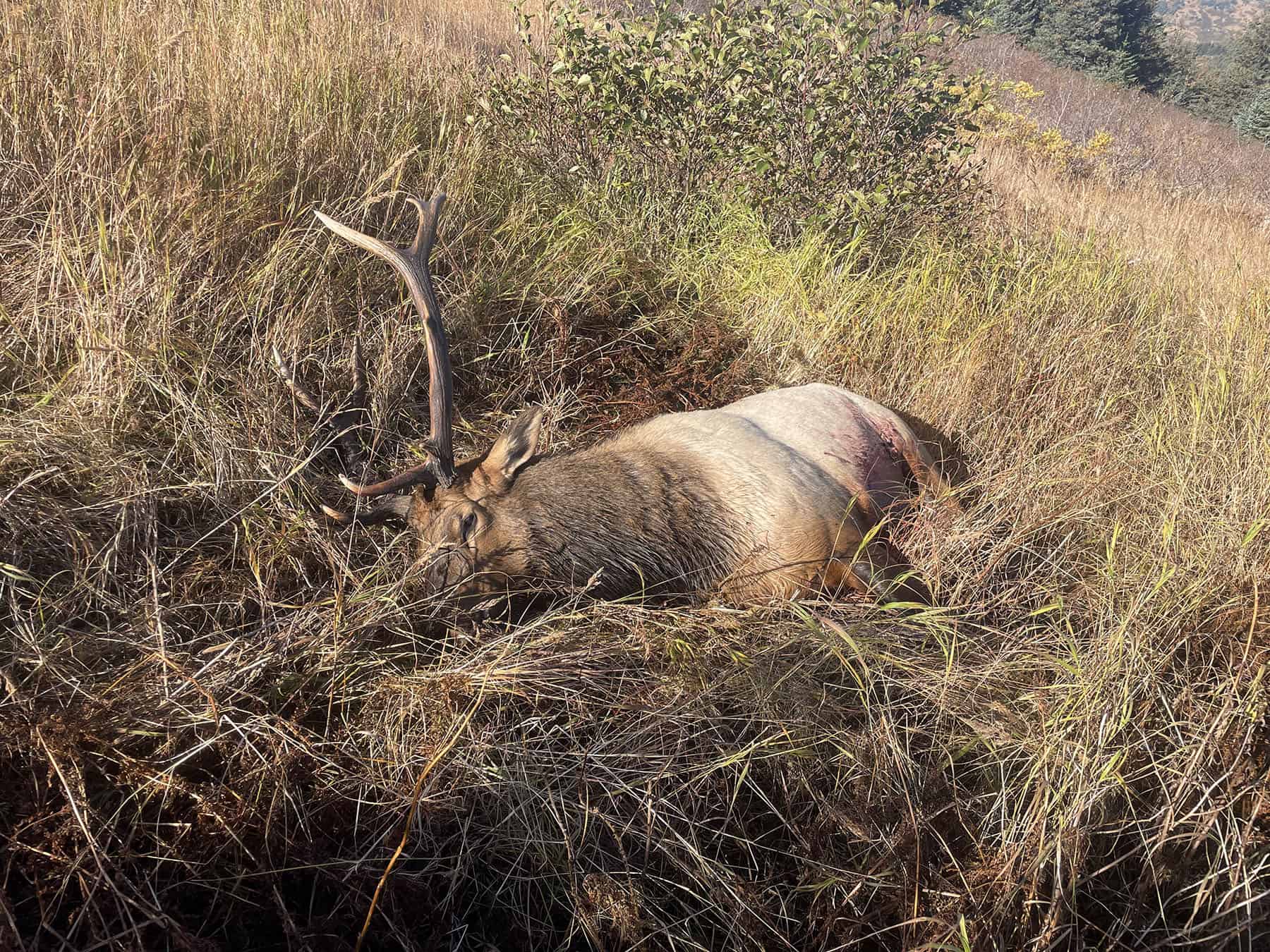
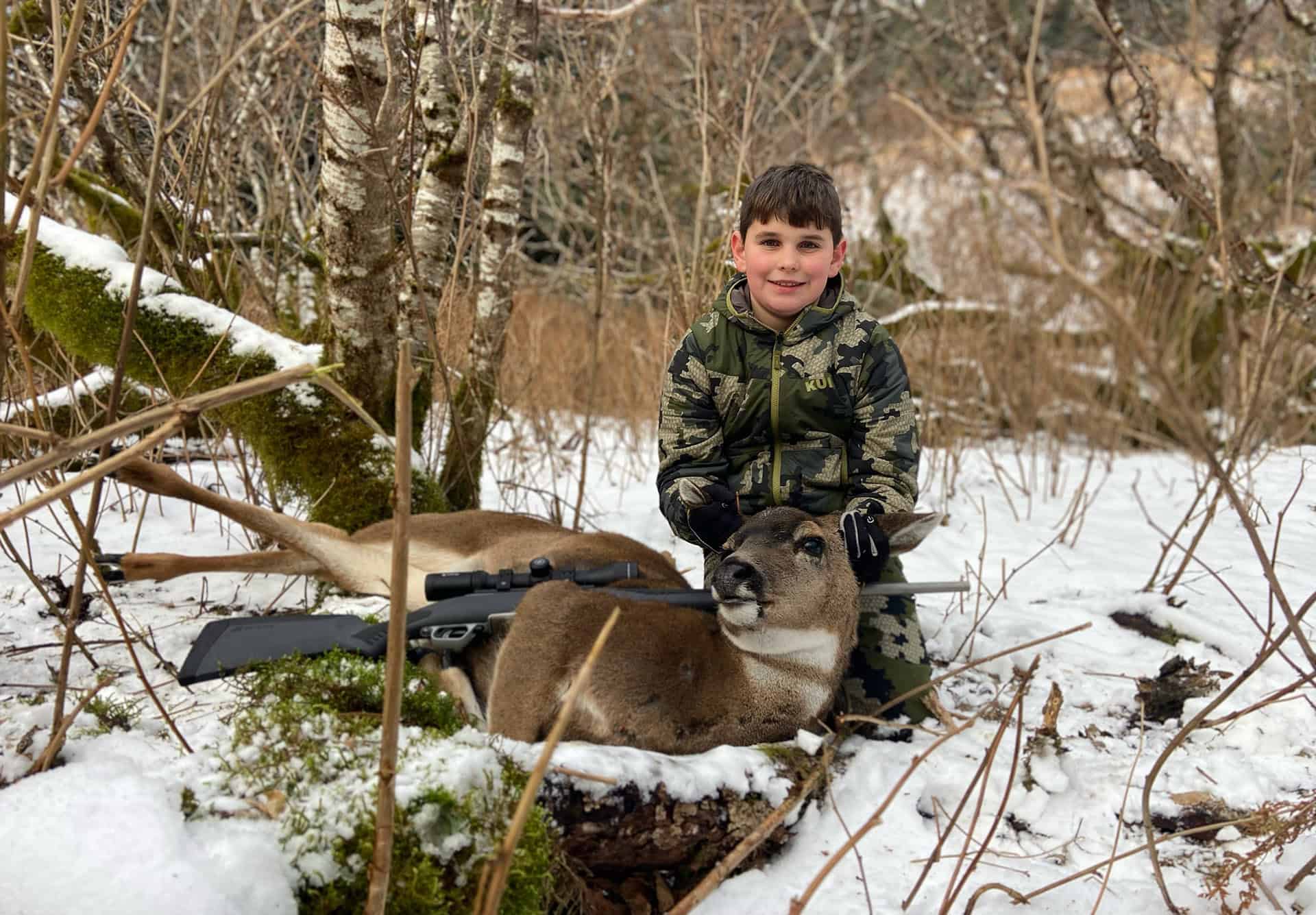
In 1982, Birch’s parents purchased the land. They moved here the following year and began again from the ground up. Living first in what is now our wood shop, they commercially fished in summer, outfitted Sitka black-tailed deer and Roosevelt elk hunters in fall, and milled Sitka spruce with a portable Alaskan sawmill through the winter months — lumber that would become the main lodge buildings and several guest cabins. The first guest cabin was heated with a wood-fired barrel stove. Birch’s mother relied on an Oval wood stove to heat water, cook meals, and bake bread.
By 1995, Birch’s parents retired from commercial fishing, and the lodge and outbuildings opened to summer guests while continuing to host fall hunters. In 2008, Birch and Tiffany purchased the property, continuing the second-generation commitment to the Robbins family’s history here.


Sam O., AK
About Us
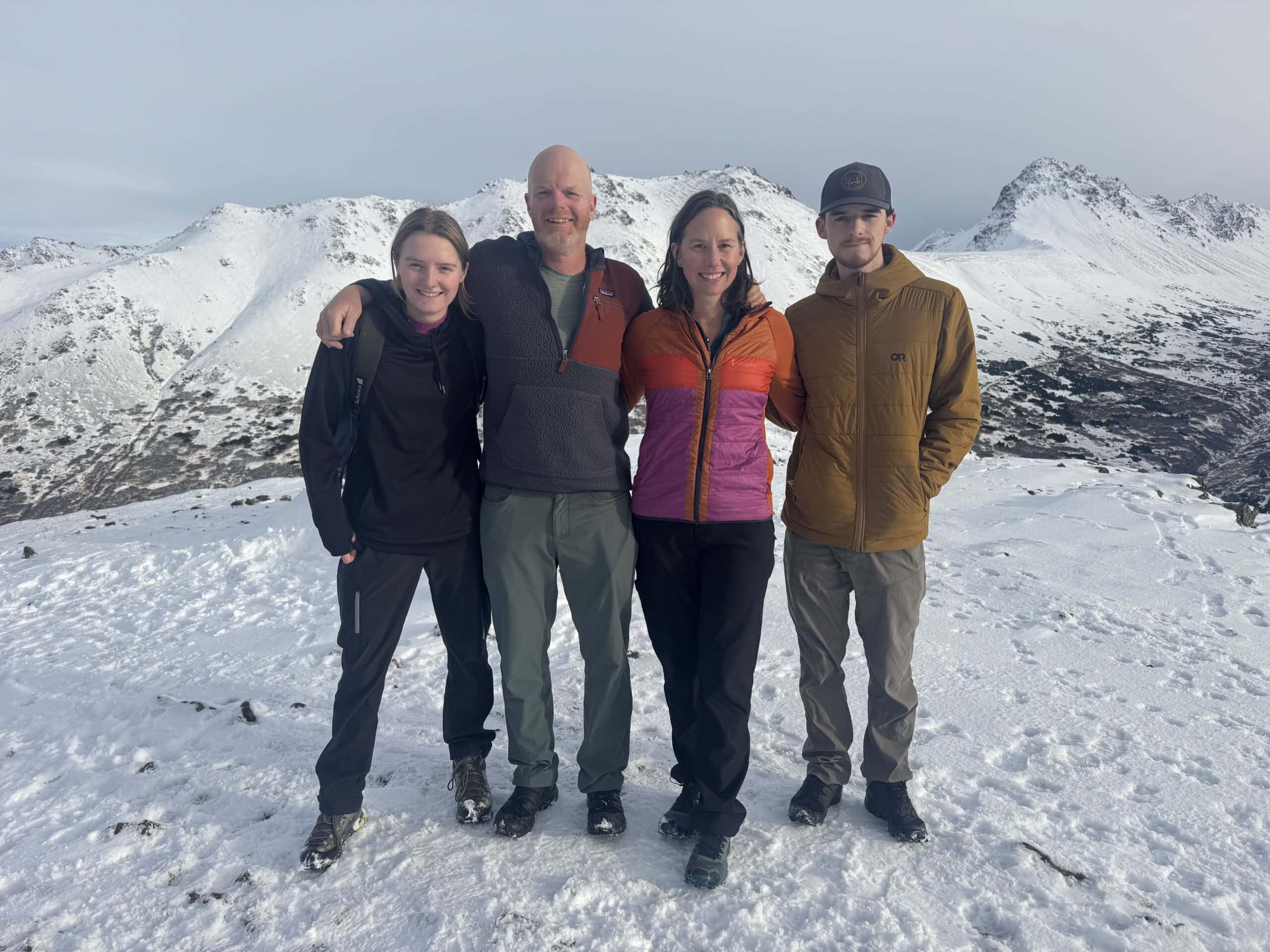
Kodiak Raspberry Island Remote Lodge is a second generation wilderness lodge owned and operated by Birch and Tiffany Robbins, built around long-term life, work, and connection to coastal Alaska.