

Guided Sea Duck Hunting

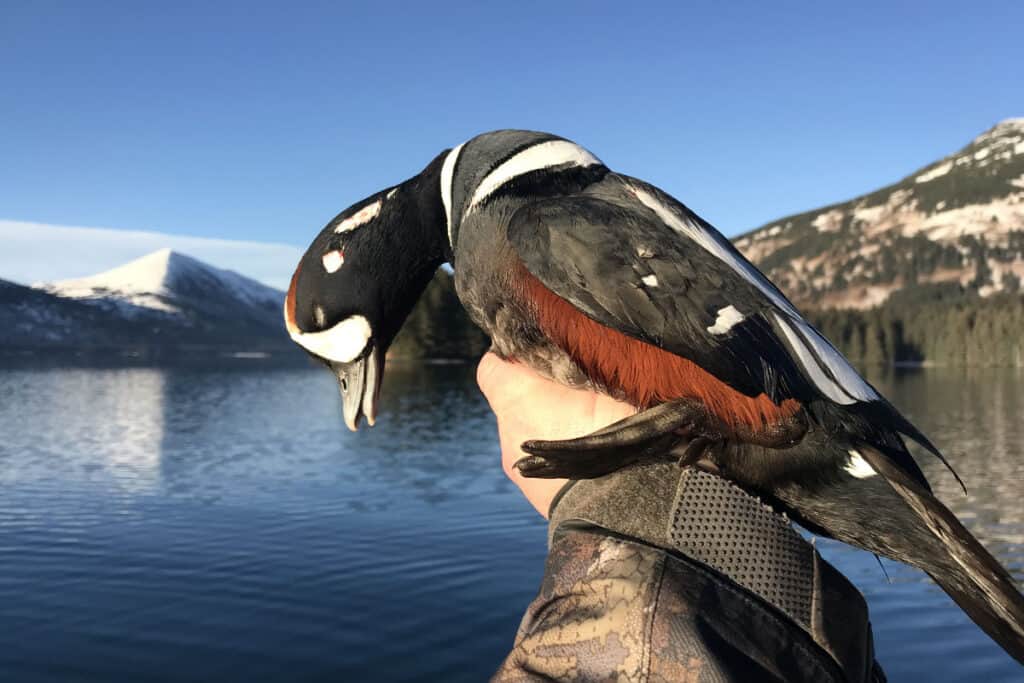
within Alaska’s Kodiak Island Archipelago at Kodiak Raspberry Island Remote Lodge is a late season, fair chase pursuit of harlequin duck, Barrow’s goldeneye, common goldeneye, long-tailed duck, and scoter species — surf, white-winged, and black scoter. Additional waterfowl may move through the same coastal environments, including common and red-breasted merganser, mallard, wigeon, gadwall, bufflehead, and scaup. Our hunts are focused on species collection of these beautiful birds in full winter plumage.
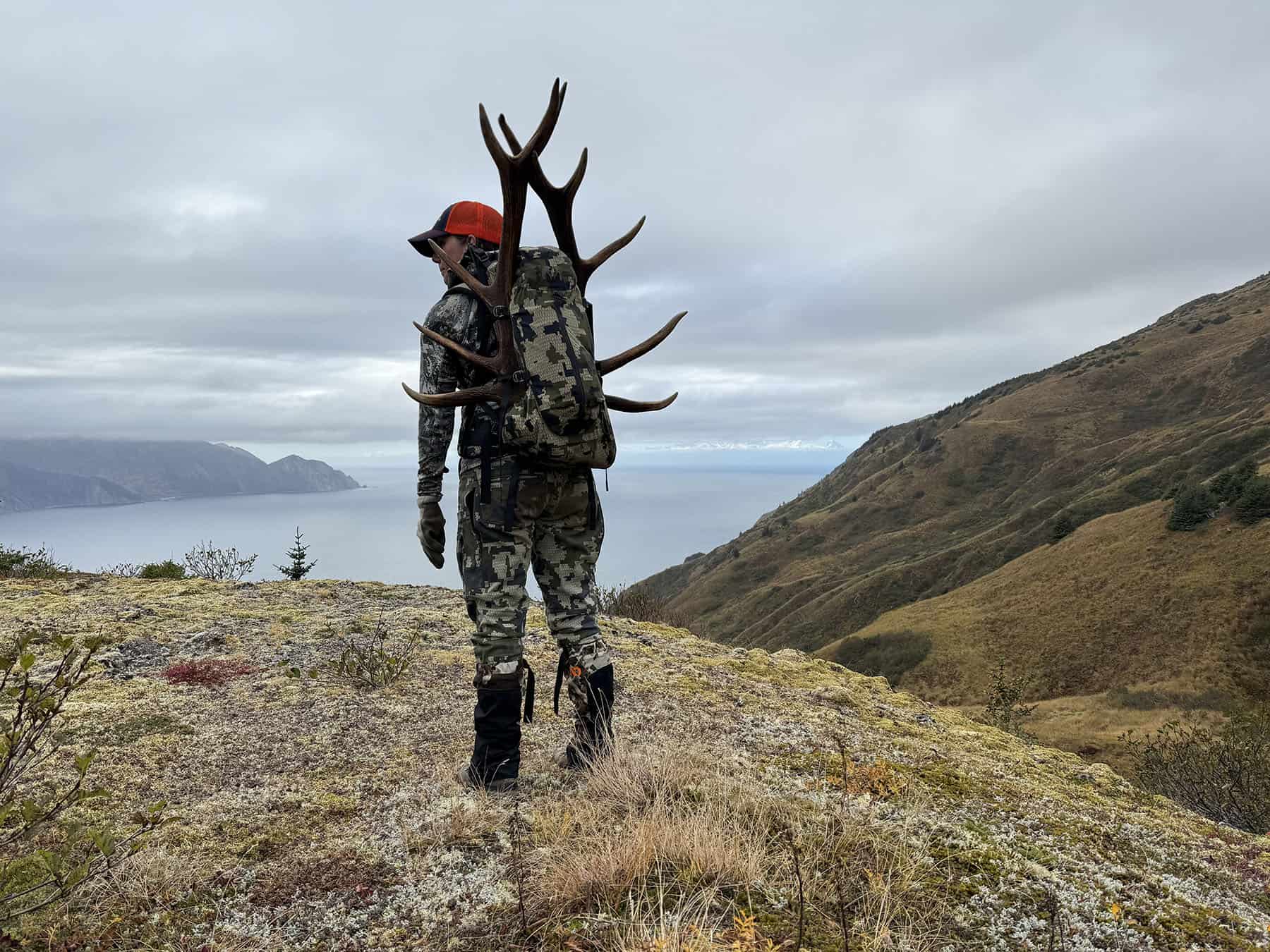
Our remote lodge on Raspberry Island, positioned between Kodiak and Afognak Islands, provides direct access to protected bays, exposed headlands, kelp-lined shorelines, and offshore reefs where sea ducks concentrate during the winter months. These birds winter in the cold, wind-driven waters of coastal Alaska and are well adapted to maritime conditions, with plumage that is exceptional.
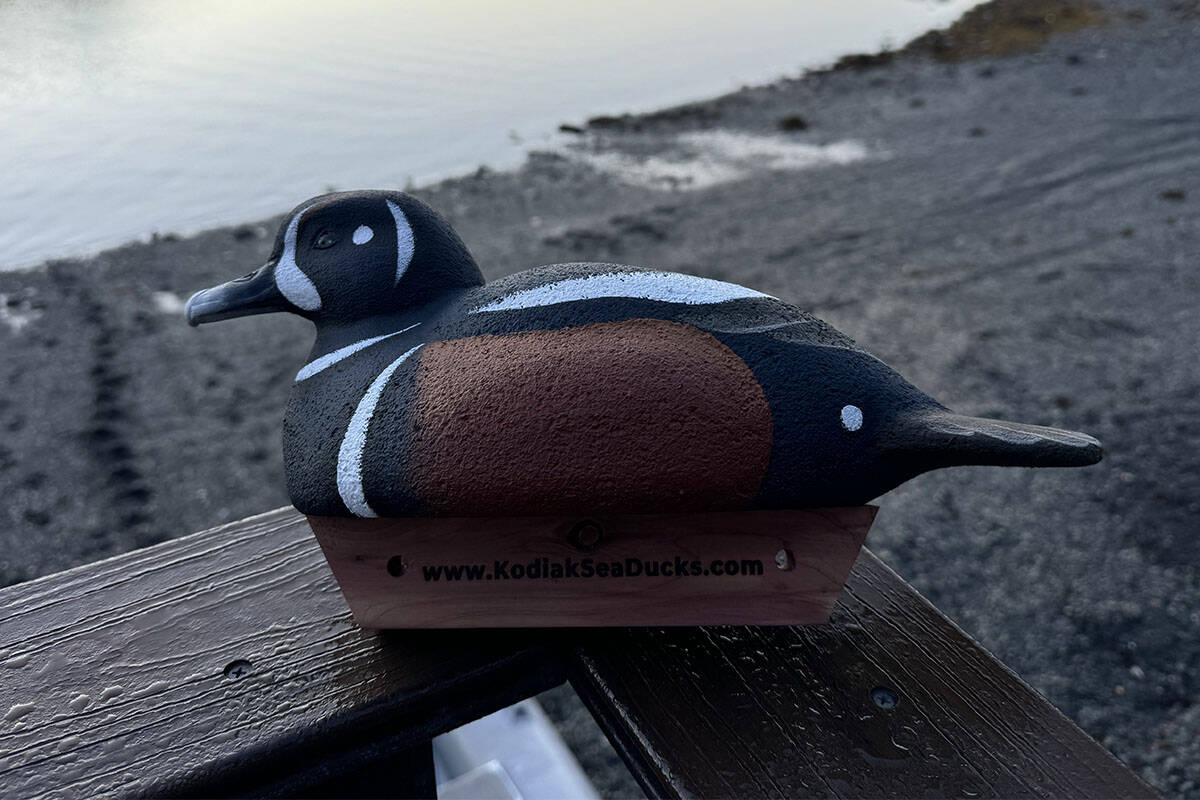
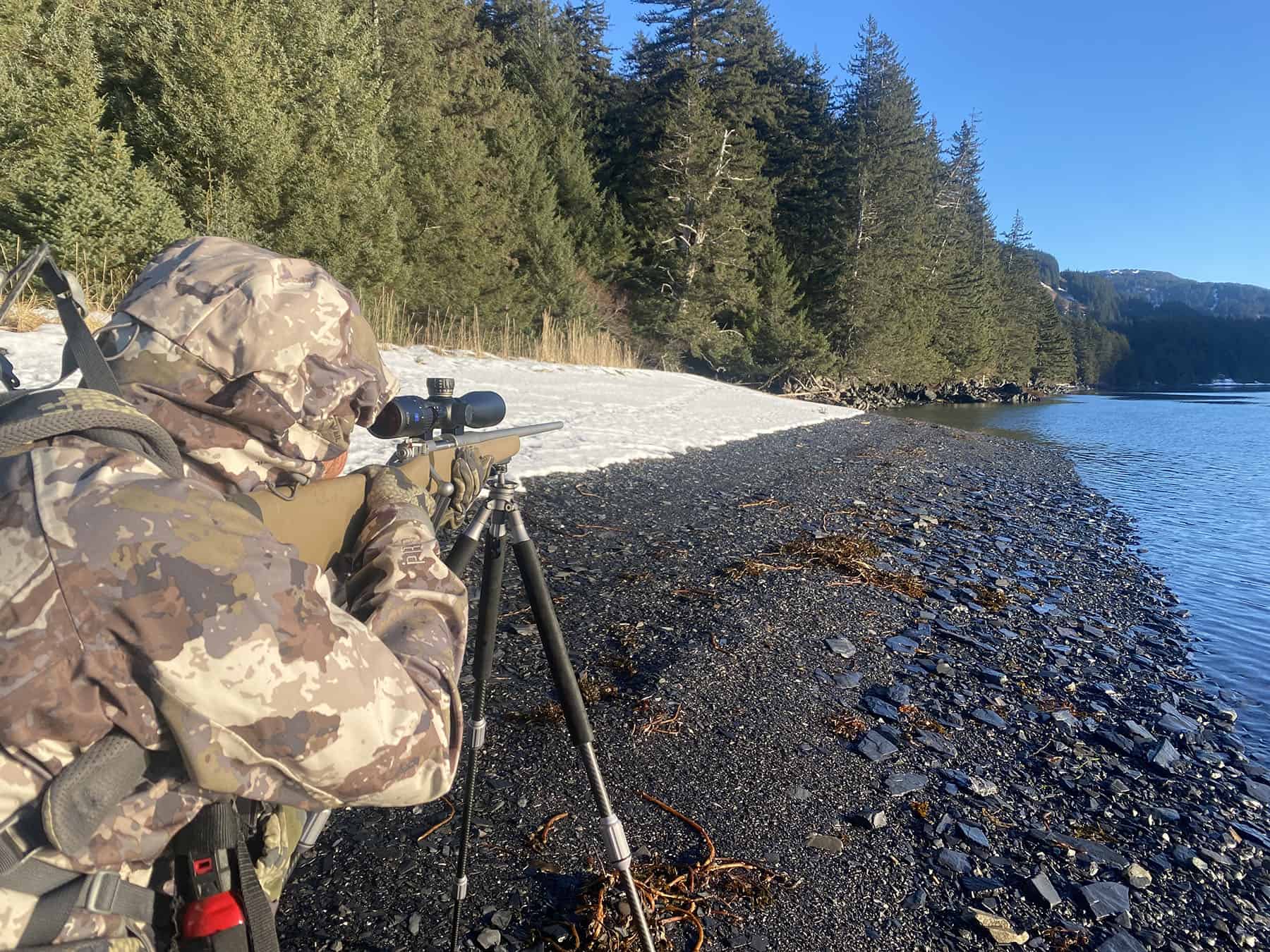
Our hunts are conducted as fair chase only. Depending on species and conditions, we set up with beach blinds, layout boats, and/or our offshore duck boat over species-specific decoys.
Our hunts focus on species-specific harvest for taxidermy and may also include coastal red fox in silver, red, and cross color phases.
Harvested birds will be carefully pouched, labeled, frozen, and boxed in our custom airline approved insulated boxes at the trips end, ready for you to transport or ship to your taxidermist.
Late-season sea duck hunting demands exposure to wind, spray, and shifting weather. At day’s end, hunters return from these remote coastlines to our warm lodge, private cabin, hot shower, and prepared meal.