
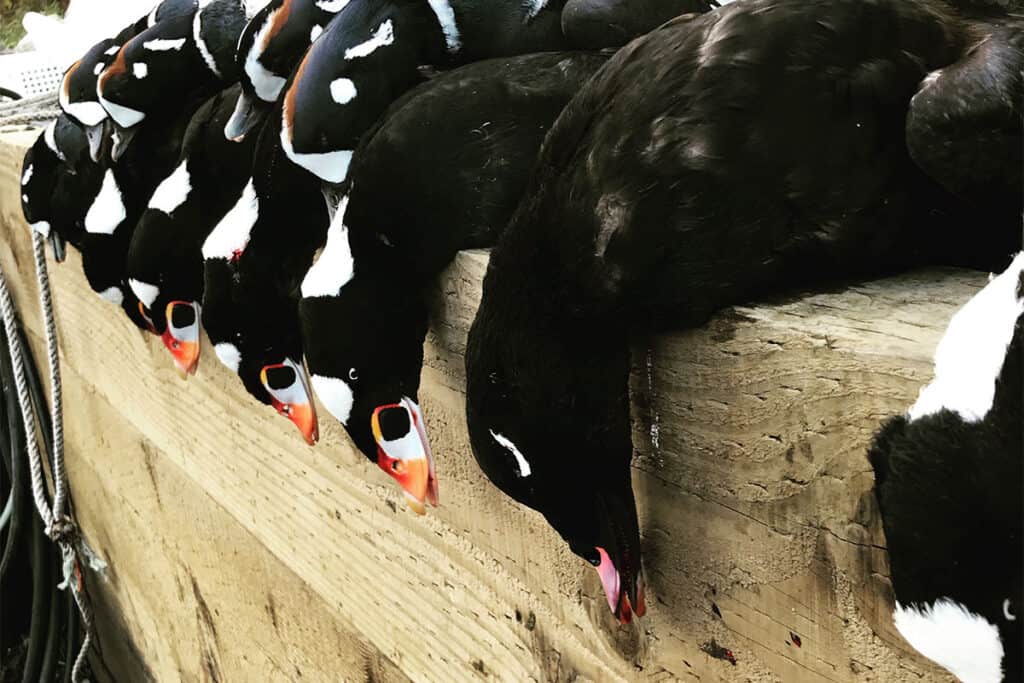
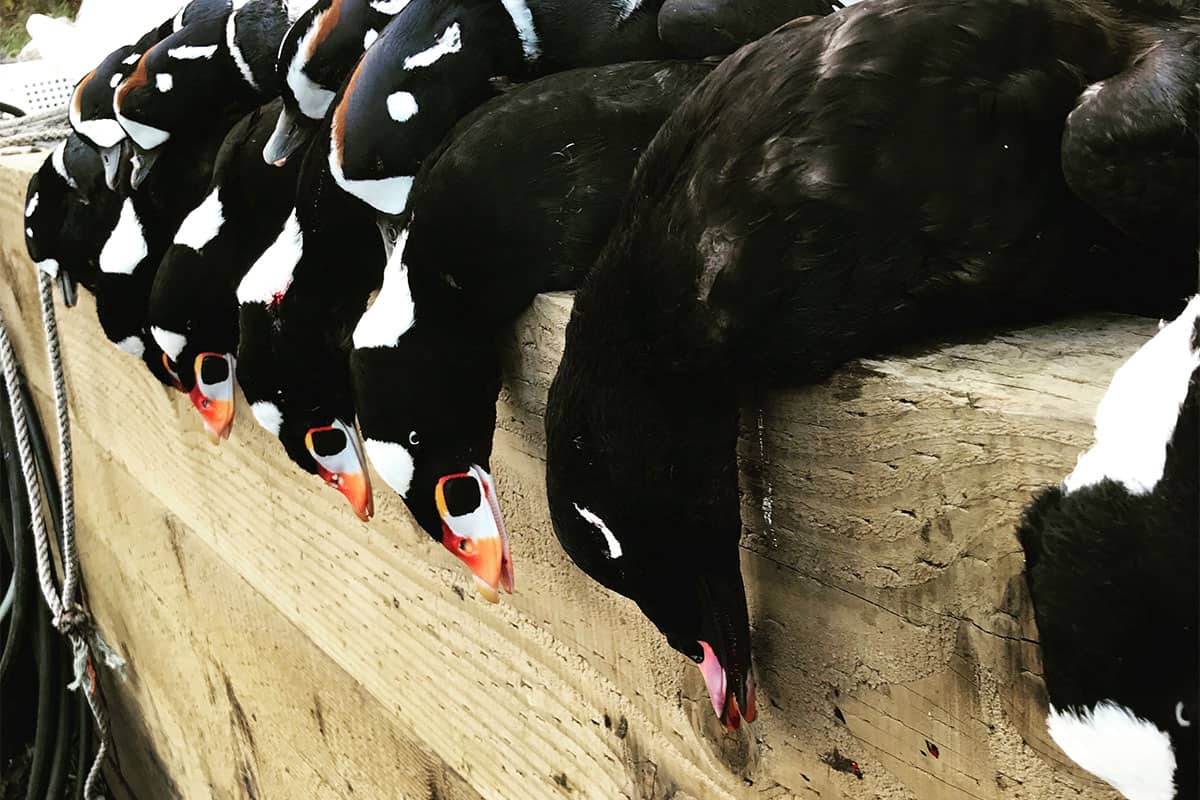
Harlequin ducks

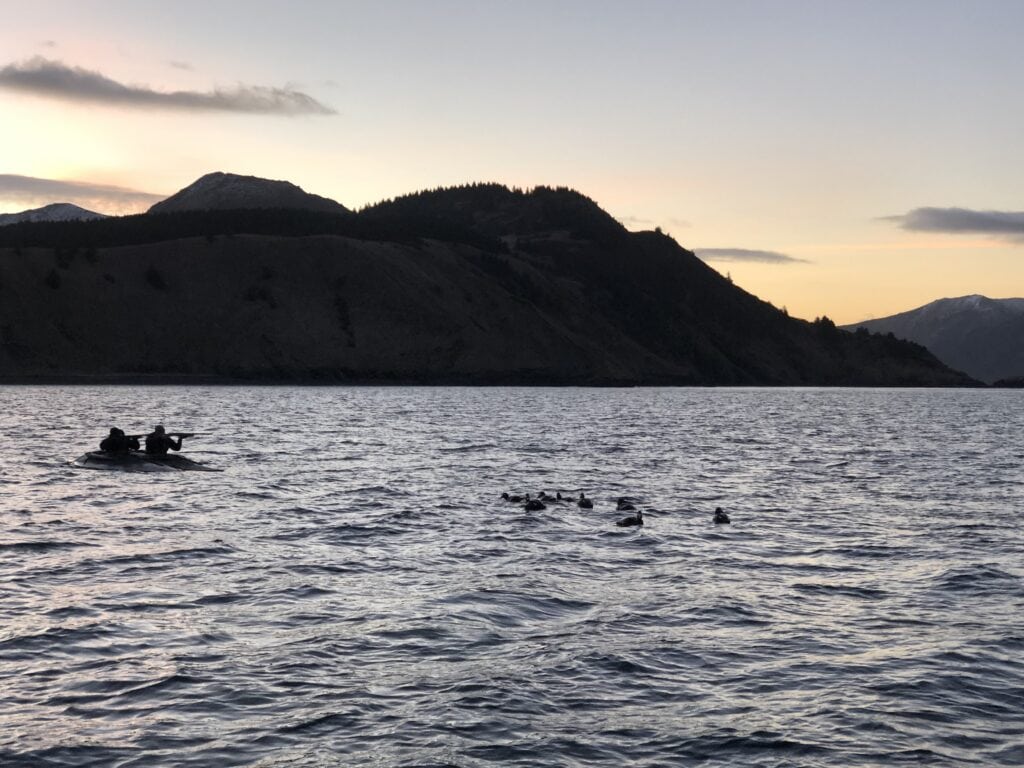
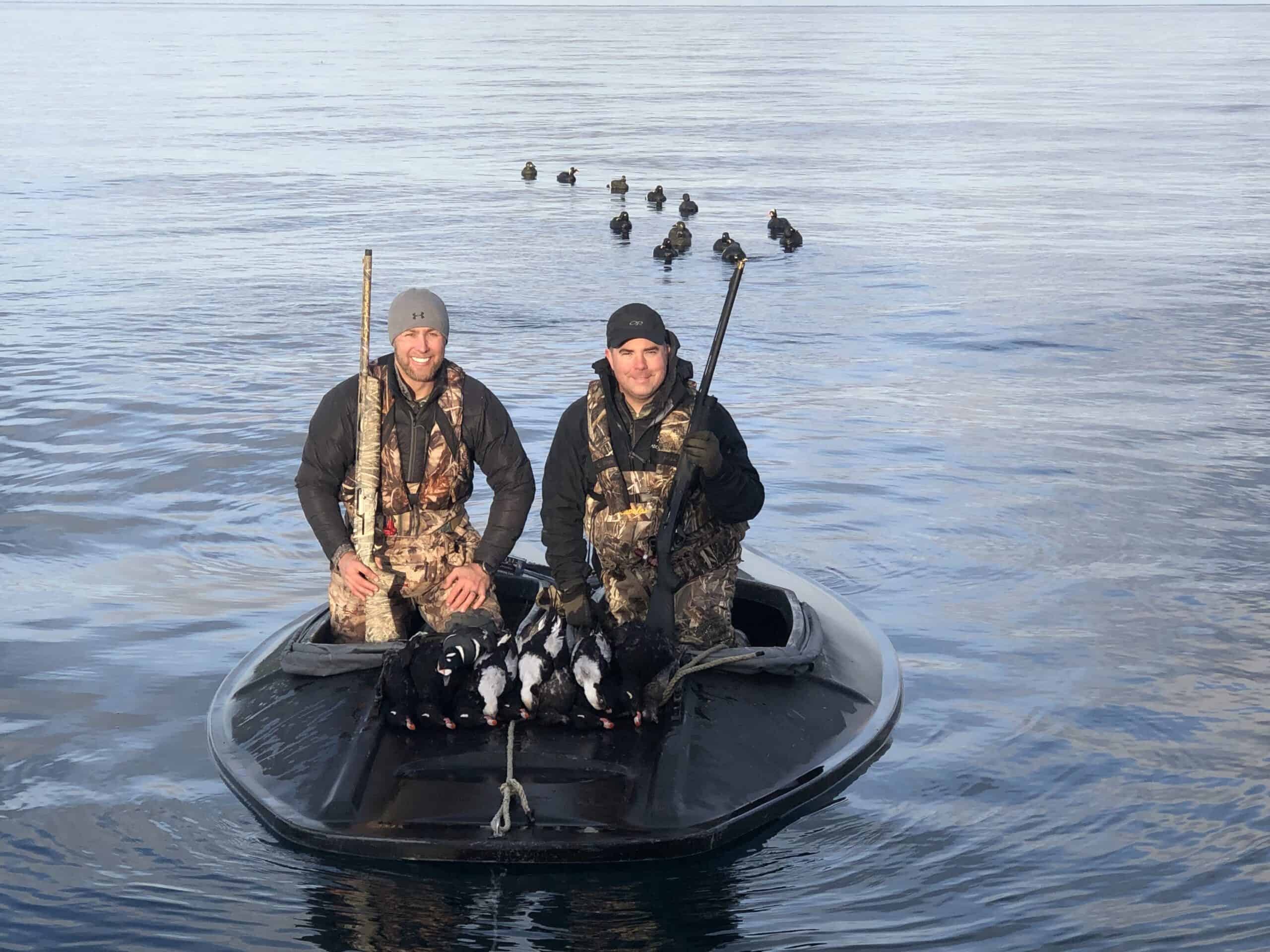
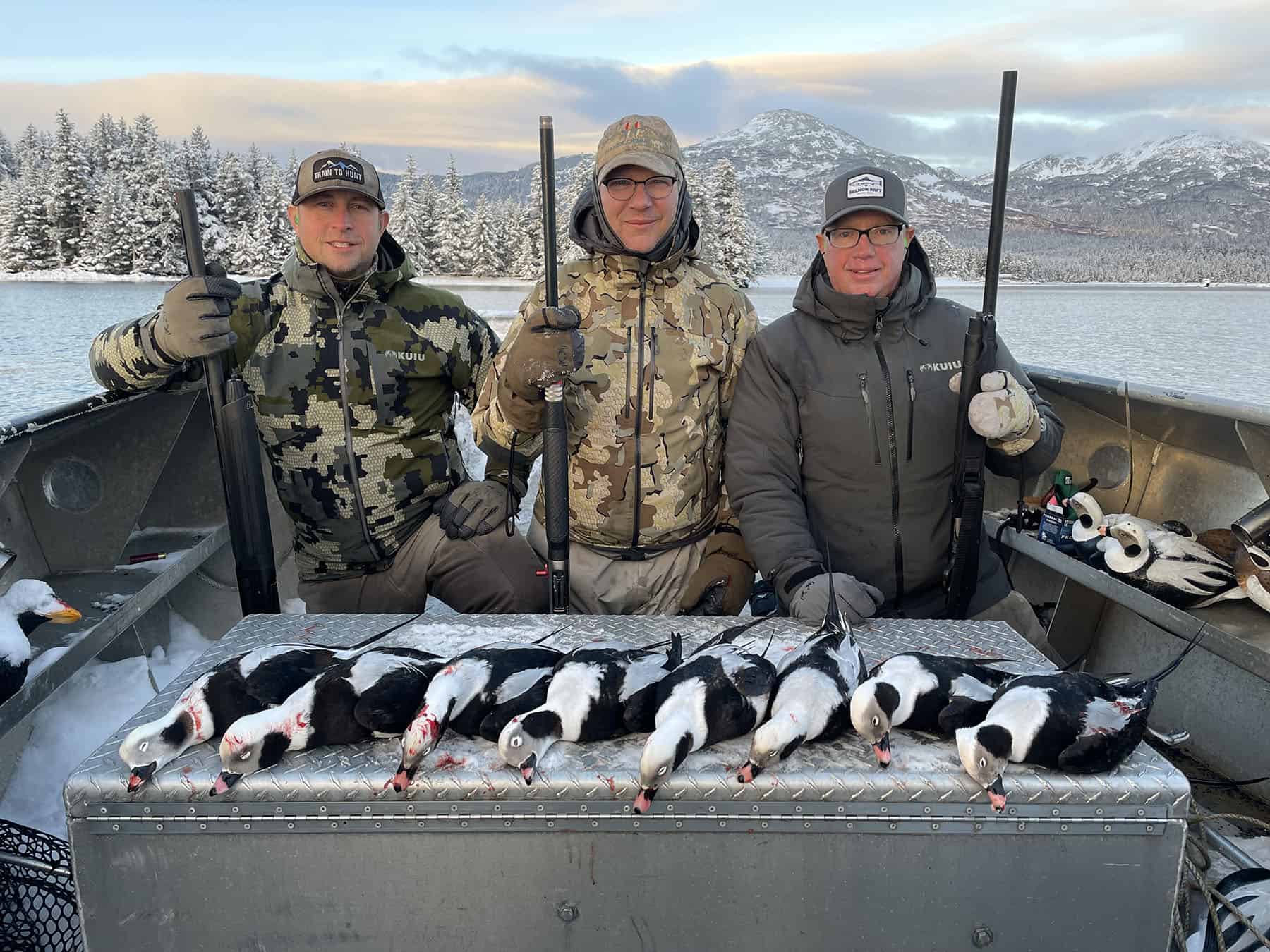
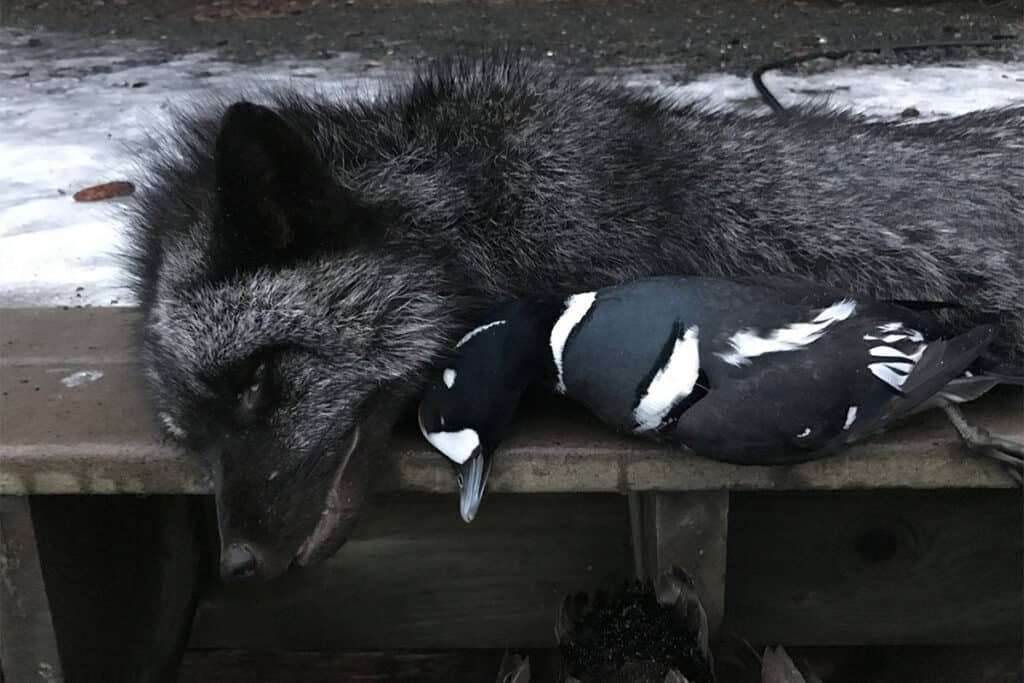
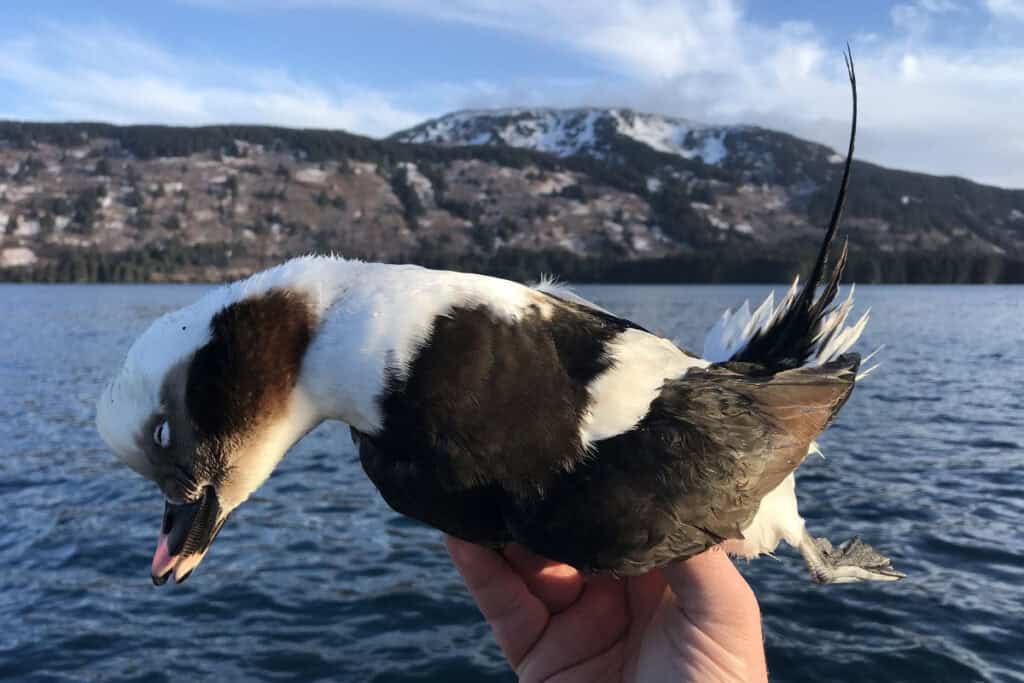
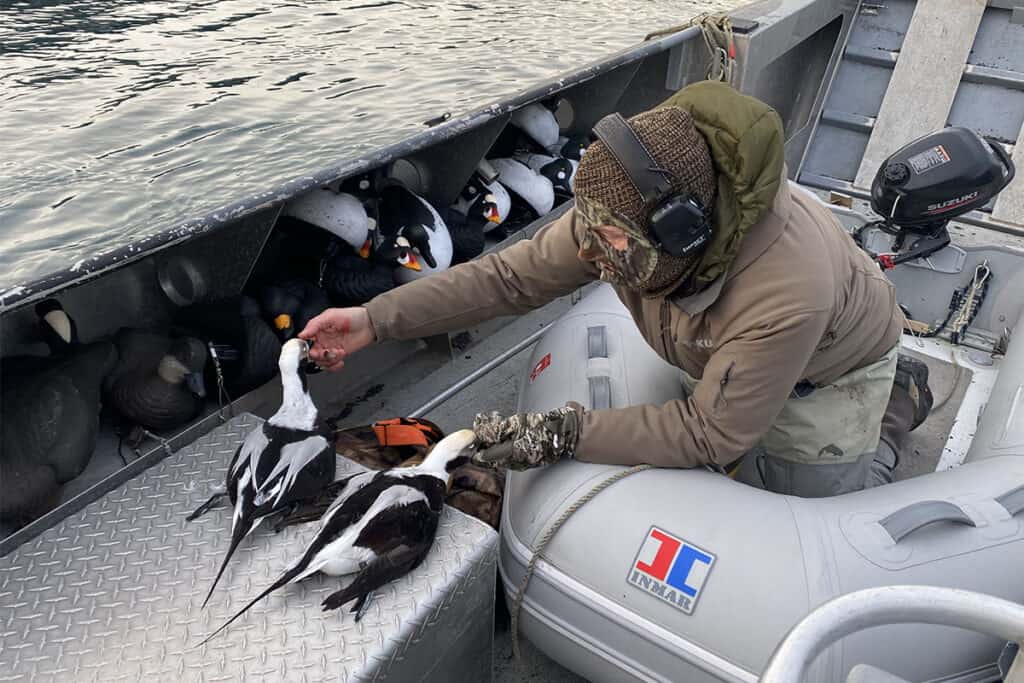
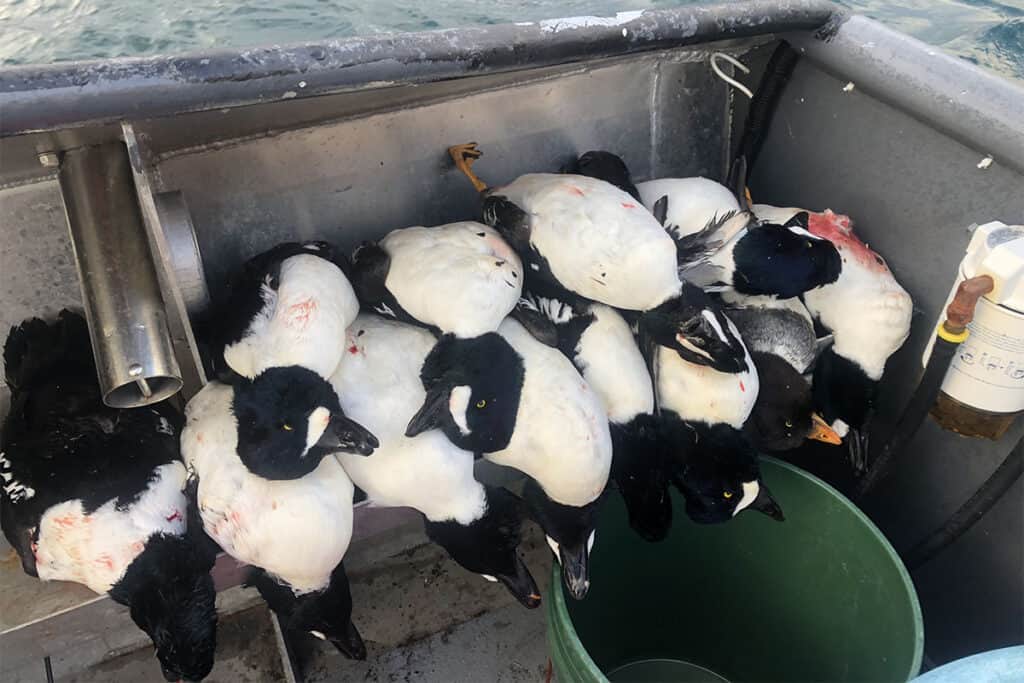
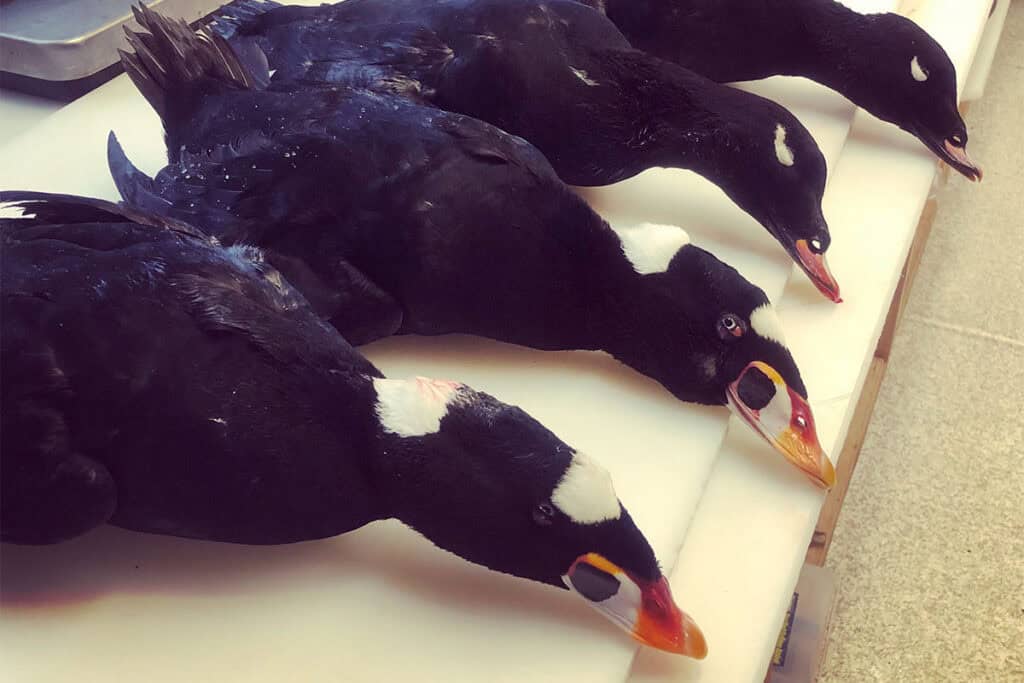
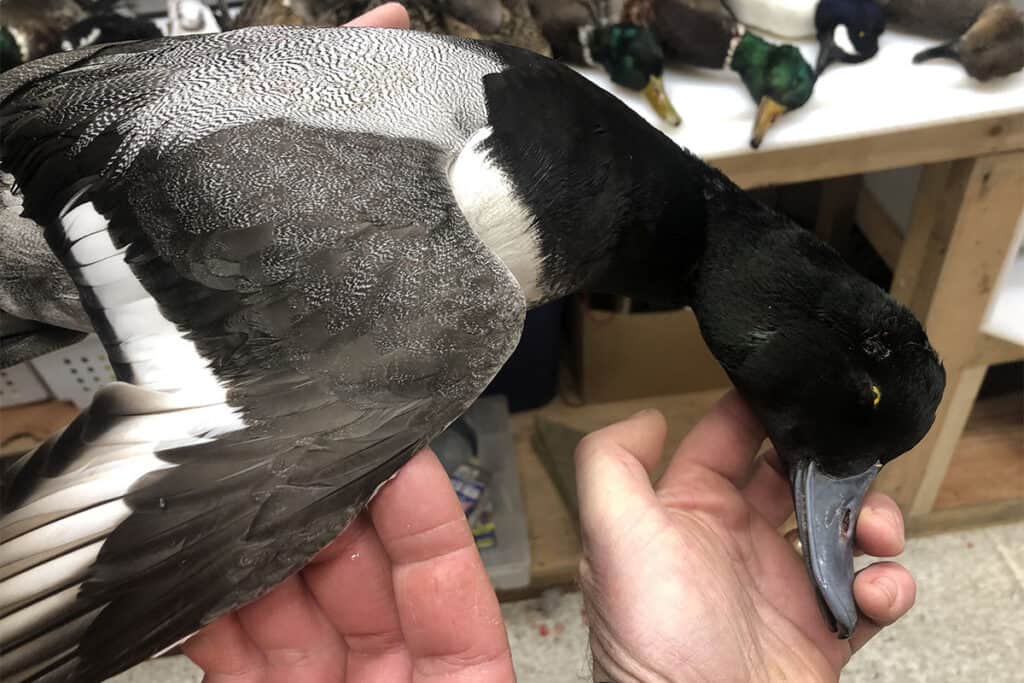
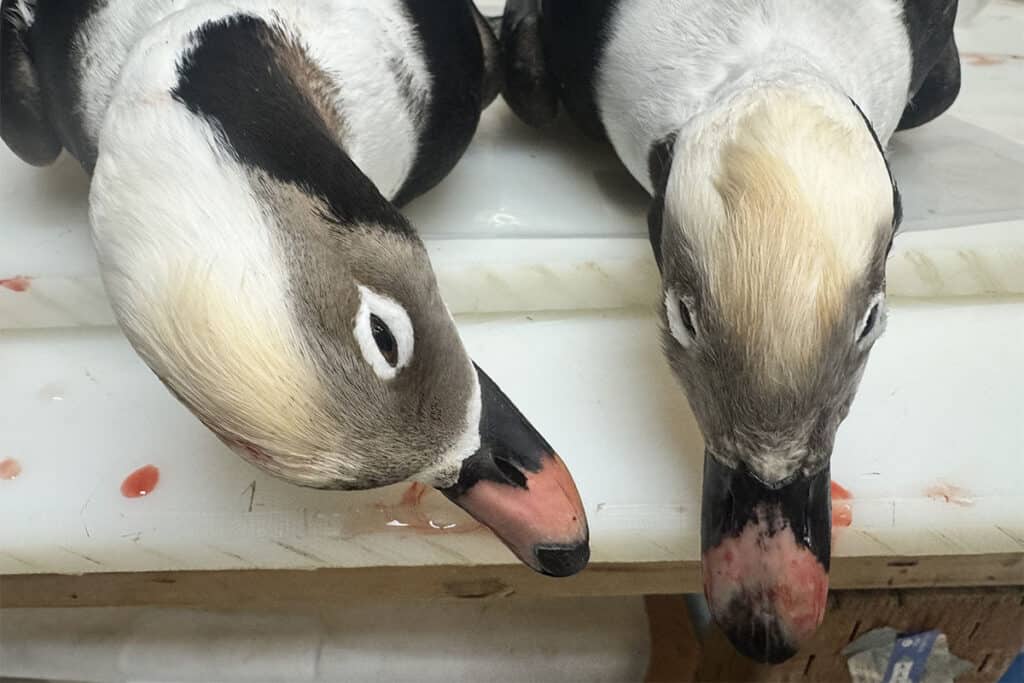
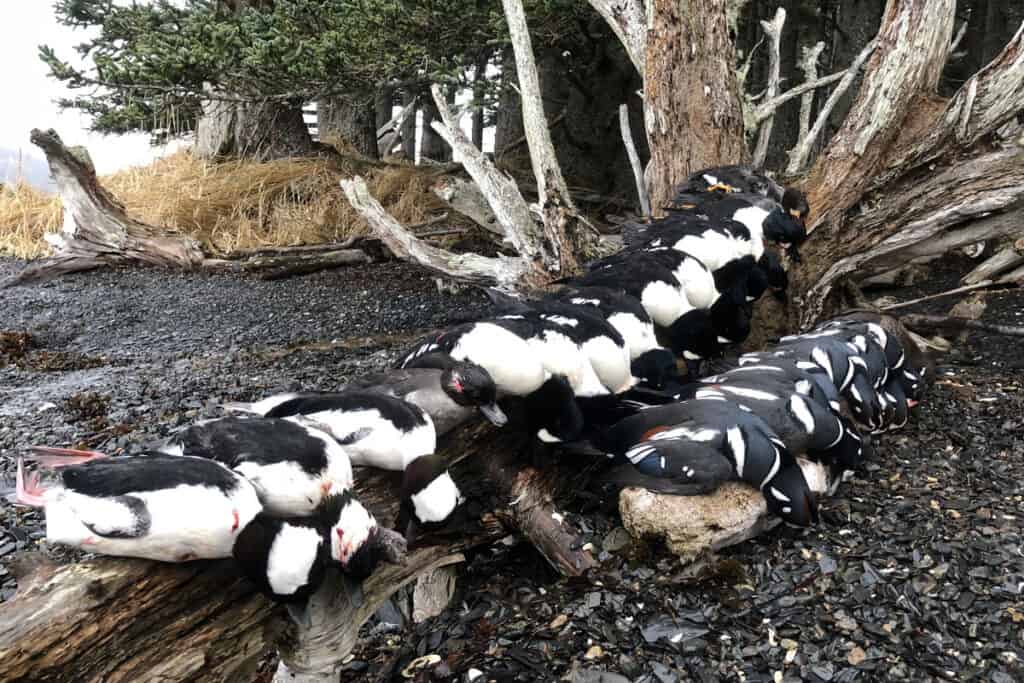
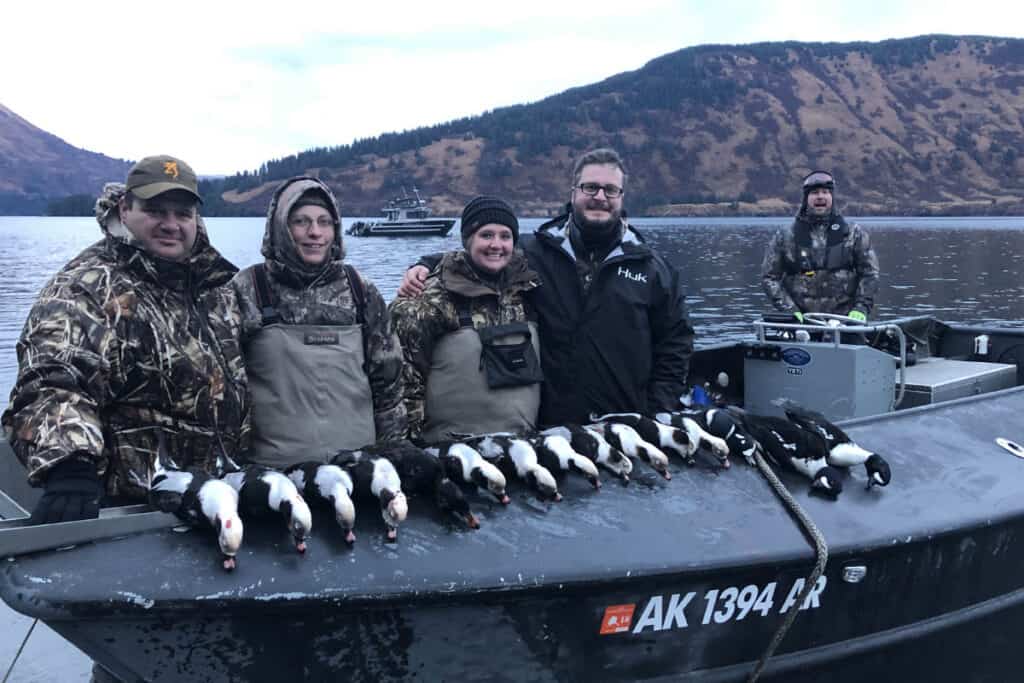
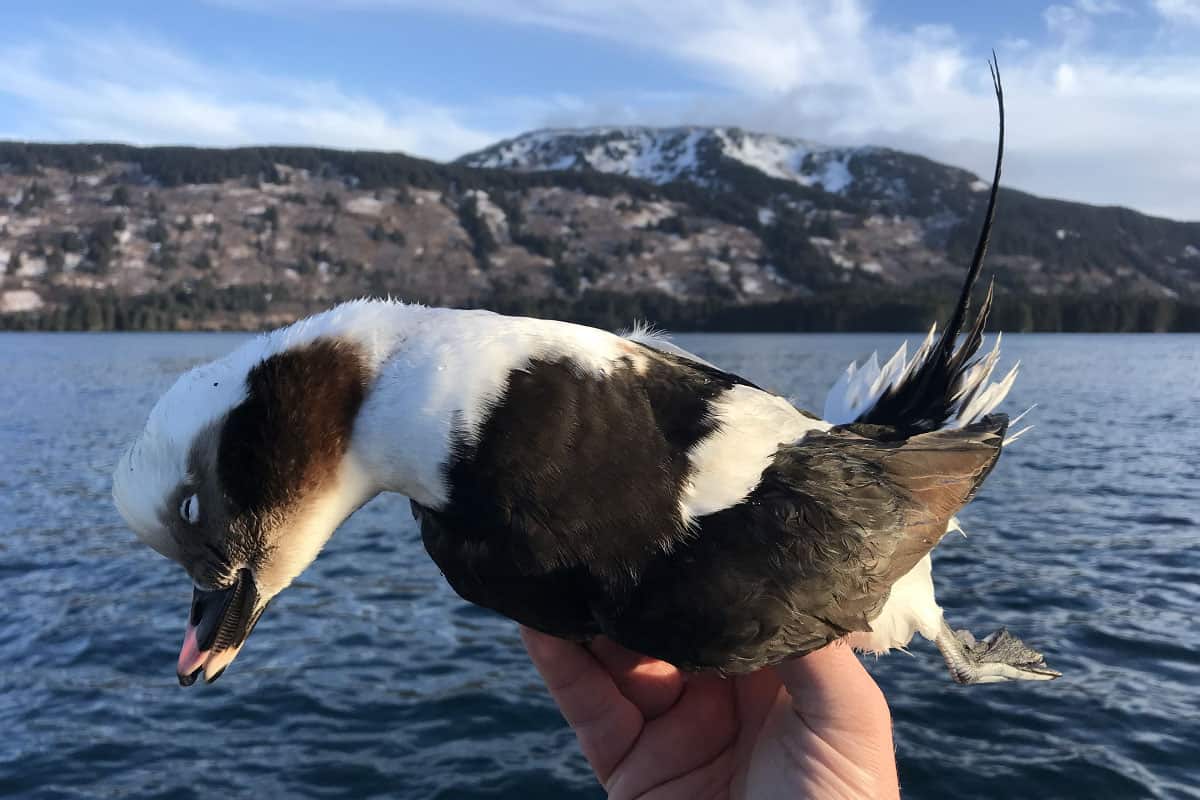
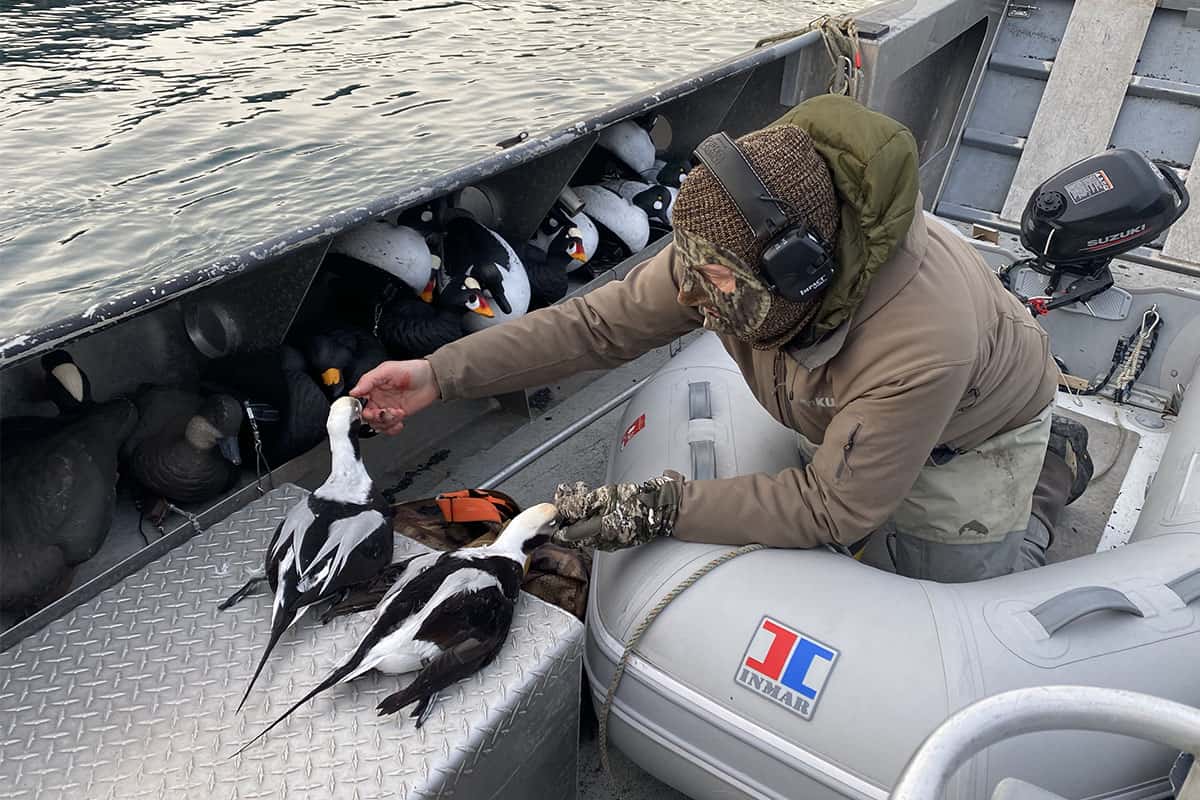
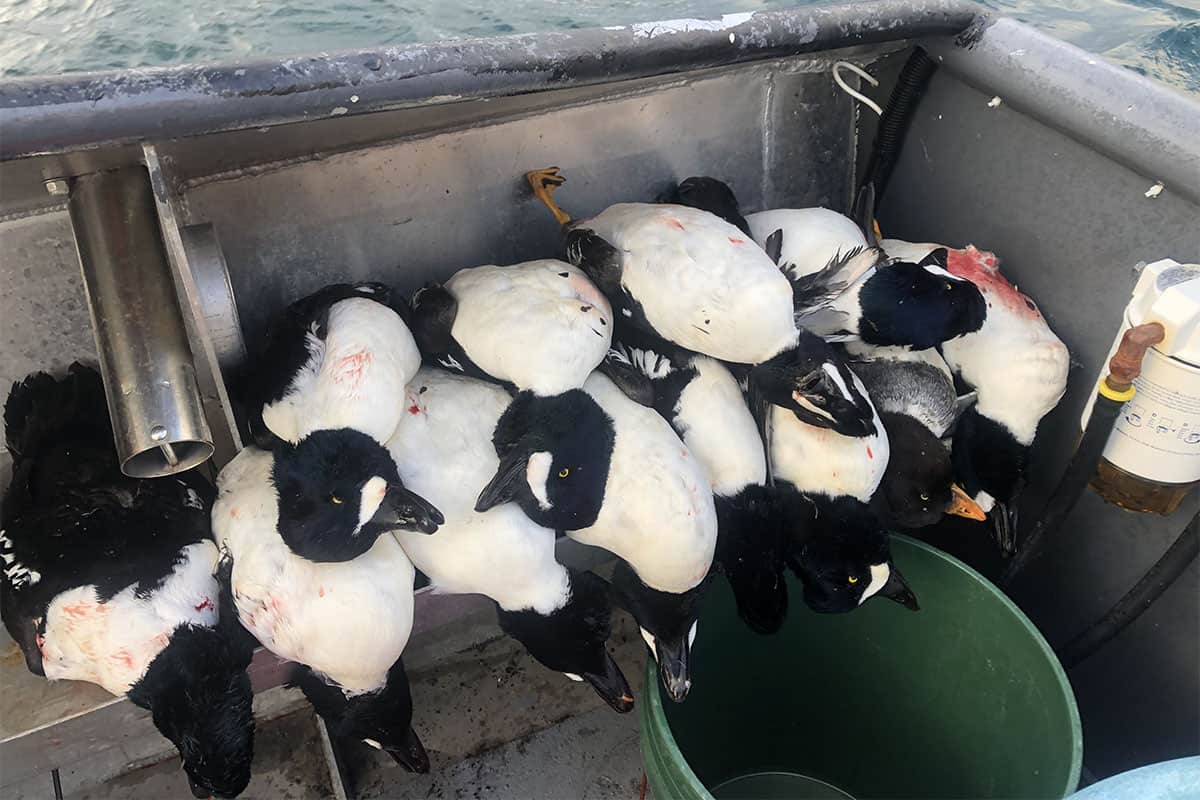
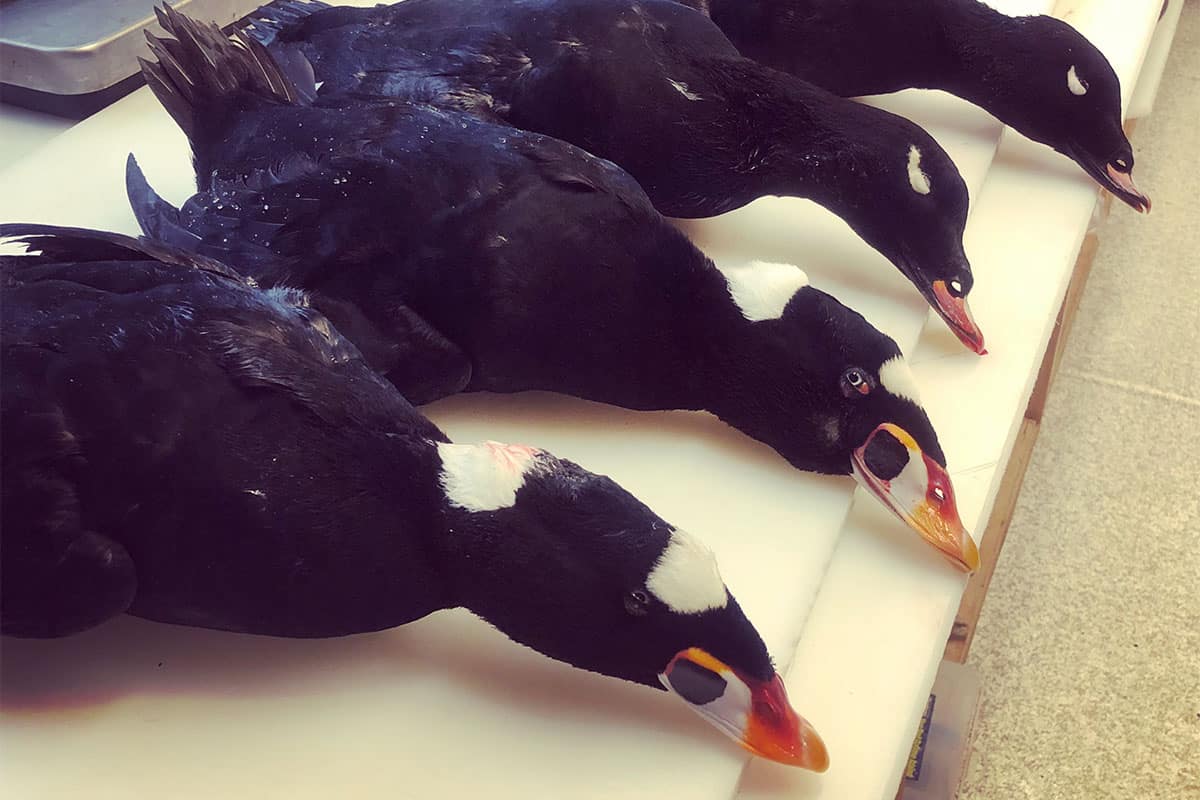
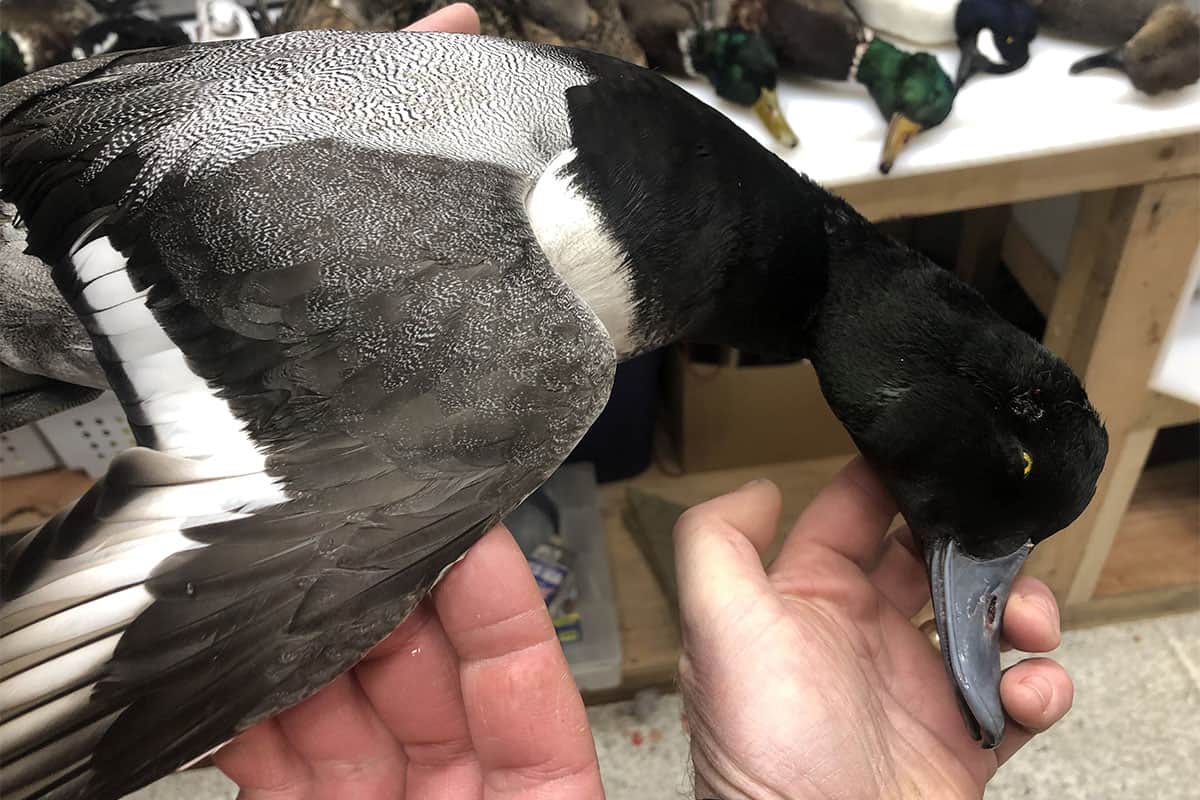
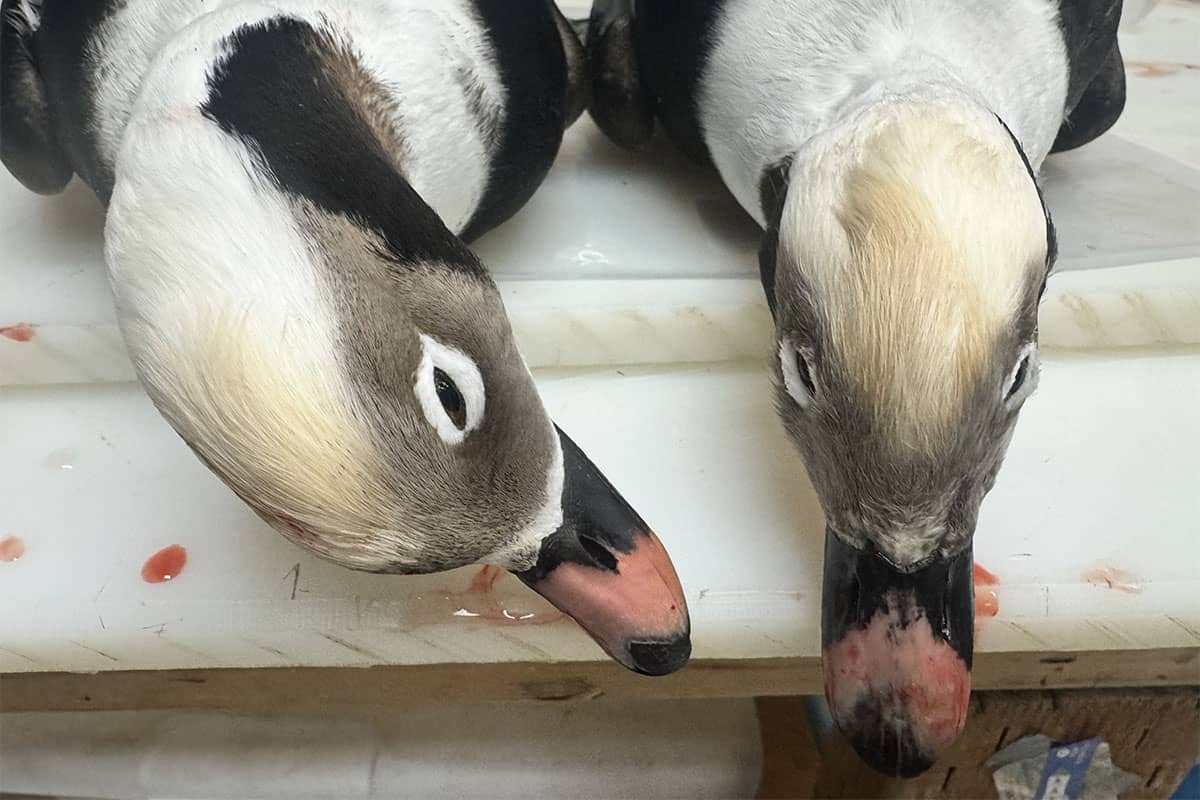
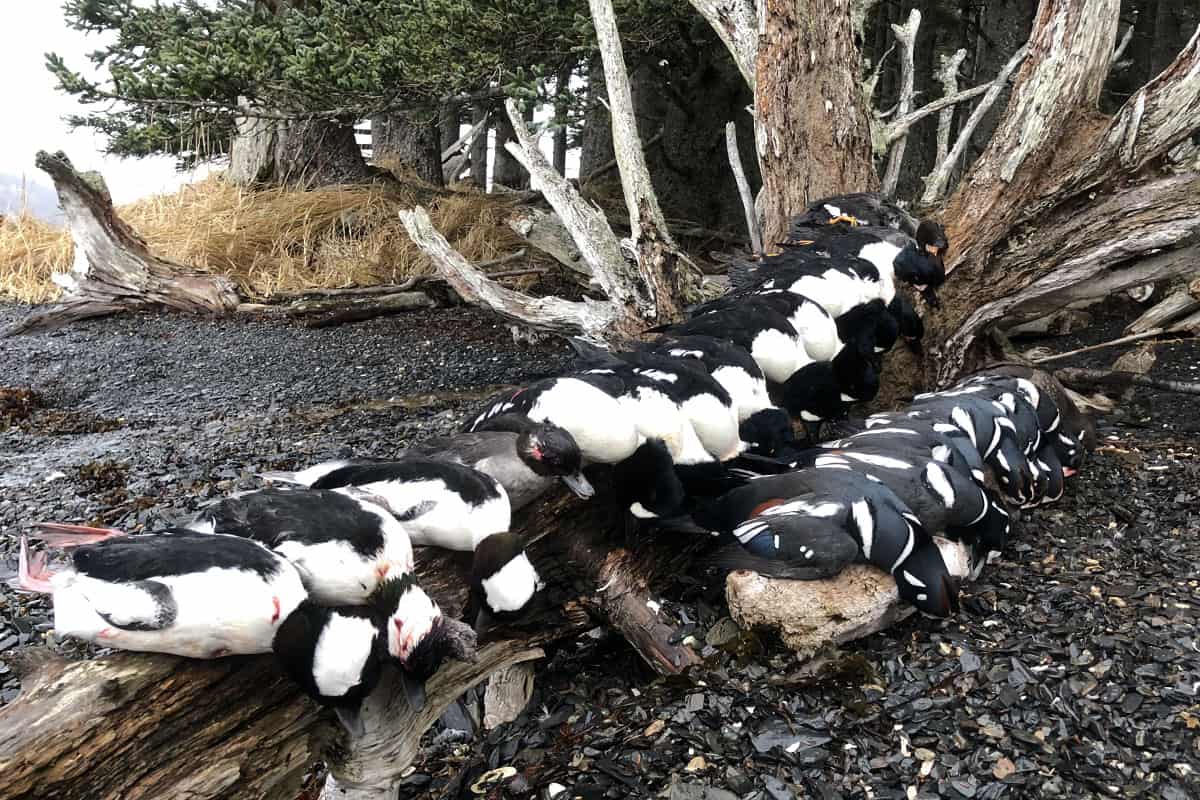
frequent rocky shoreline and tidal edges, while Barrow’s goldeneye are common along similar gravel beaches or further into more protected coves. Long-tailed ducks often stage in offshore water and current lines, along with surf, black, and white-winged scoters feeding over deeper sand flats and reef systems.
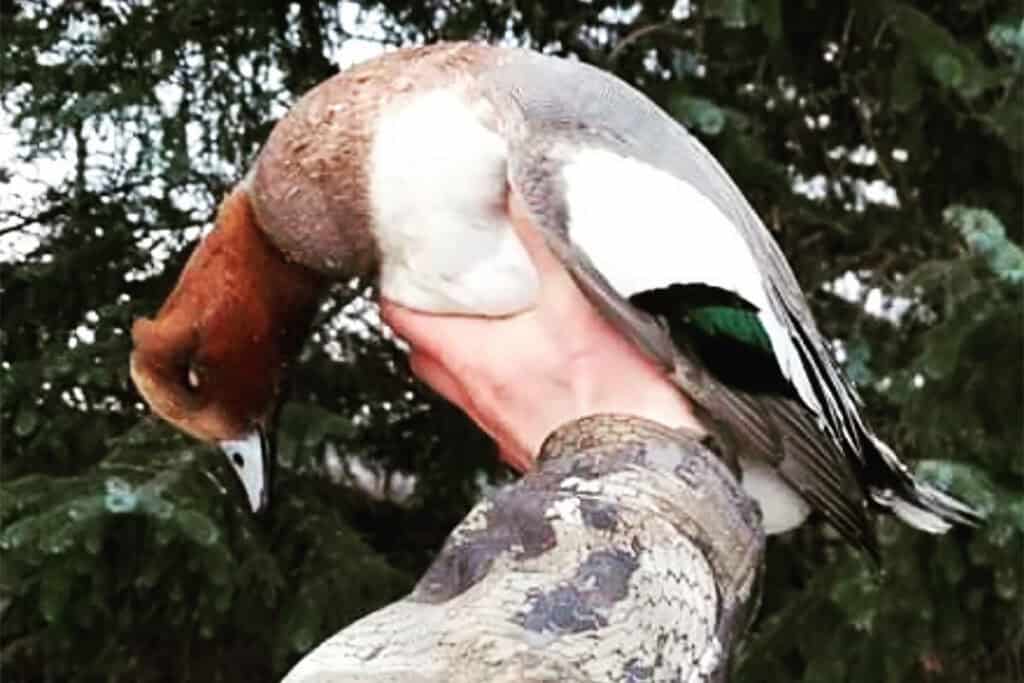
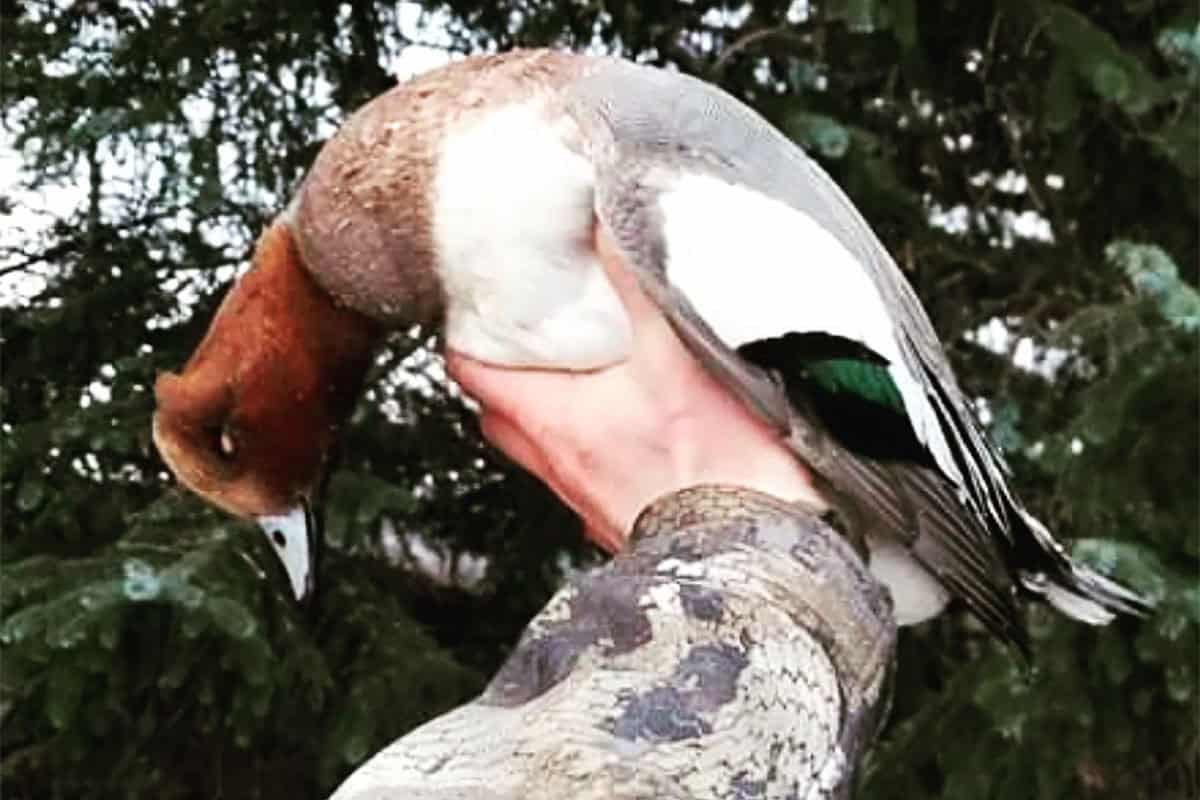
Puddle ducks such as mallard, wigeon, gadwall, and bufflehead are typically more inland early in the season, inhabiting sheltered bays, lakes, and sloughs. As interior waters freeze, many shift toward tidal habitat and may be encountered while hunting coastal birds.
Bird density increases as fall progresses and northern birds settle into the Kodiak Island Archipelago for winter. Early season can provide mixed-species opportunity, particularly for harlequin and scoter. By late November and into December, groups often become more concentrated, and full winter plumage is at its peak.
The diversity of species and habitat — from rocky points and kelp beds to protected bays and open current lines — makes each day on the water distinct. While king and common eiders are occasionally present in the region, they are rare and should not be the focus of a hunt here.
Kodiak’s duck season extends from October through late January, offering one of the longest coastal waterfowl seasons in Alaska. Species availability and bag limits follow Alaska Department of Fish & Game and federal migratory bird regulations. Hunters are responsible for appropriate licenses, federal duck stamps, and compliance with current season frameworks.
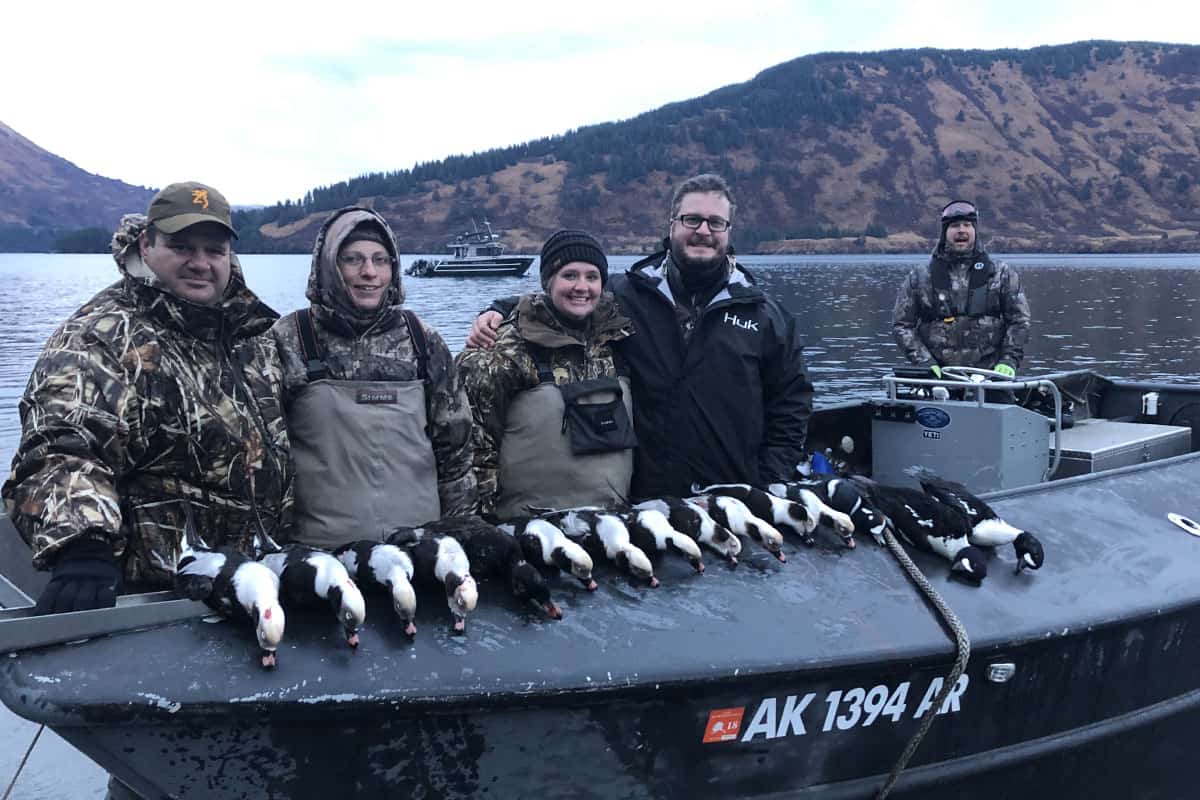
Tim V., AK
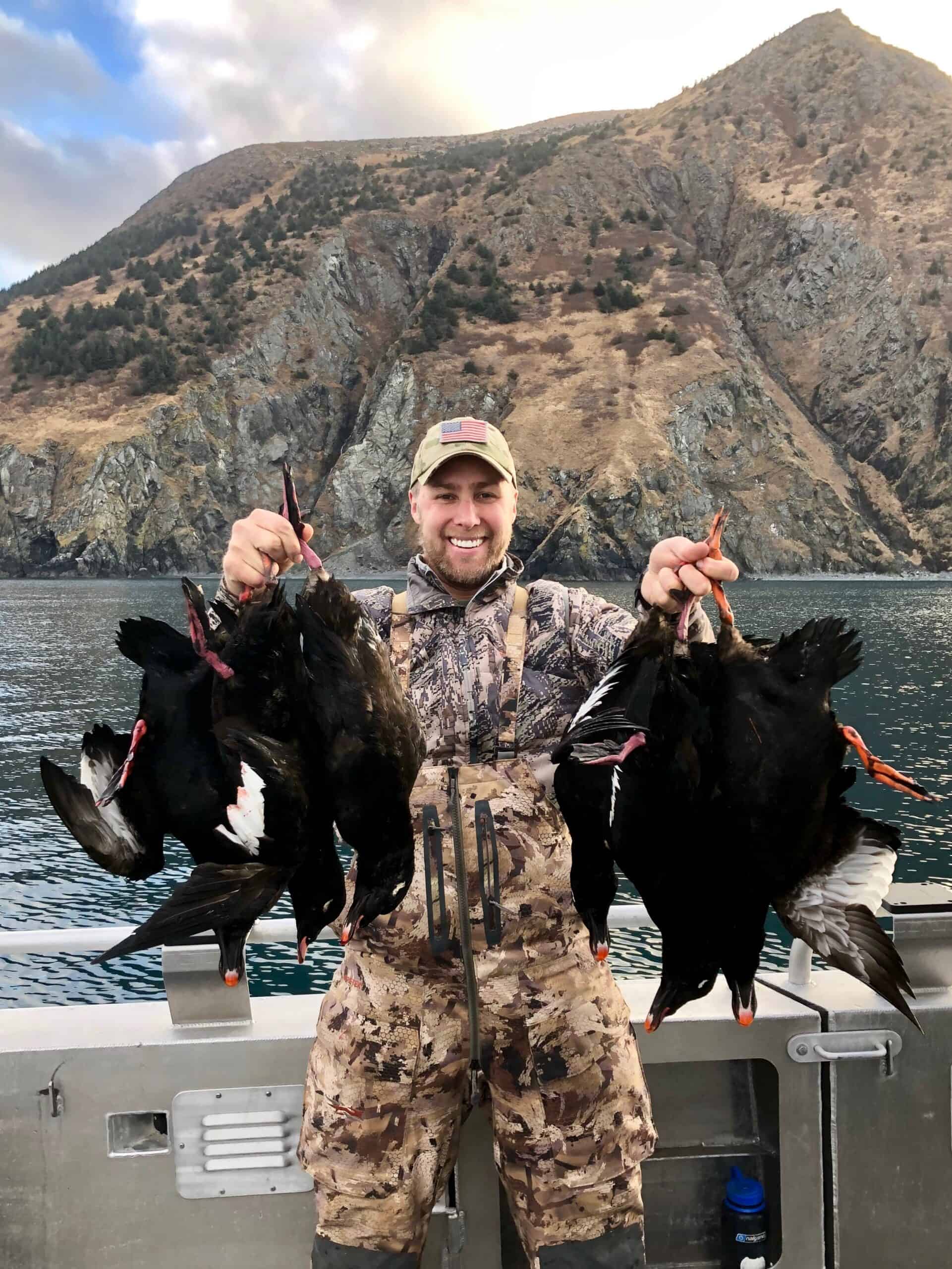
sea duck Hunting
Guided sea duck hunting throughout the Kodiak Archipelago, targeting harlequin ducks, goldeneye, scoters, and long-tailed ducks in rugged coastal Alaska waters.