

Sitka Blacktailed Deer

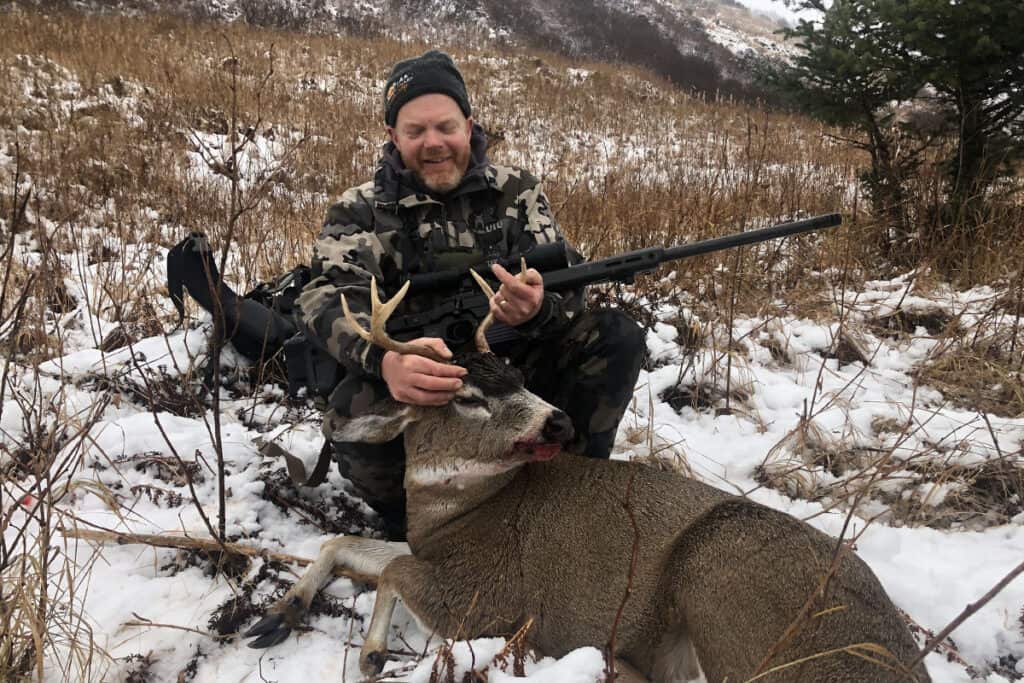
were brought to the Kodiak Archipelago between 1924 and 1934 and have adapted well to the maritime climate of coastal Alaska. With relatively mild winters, abundant browse, and limited predation, populations expanded across Kodiak, Afognak, Raspberry and surrounding islands. Mature bucks carry forked antlers more reminiscent of mule deer than whitetails, and large-bodied animals can exceed 200 pounds on the hoof. While antlers make a fine mount, the table fare is excellent.
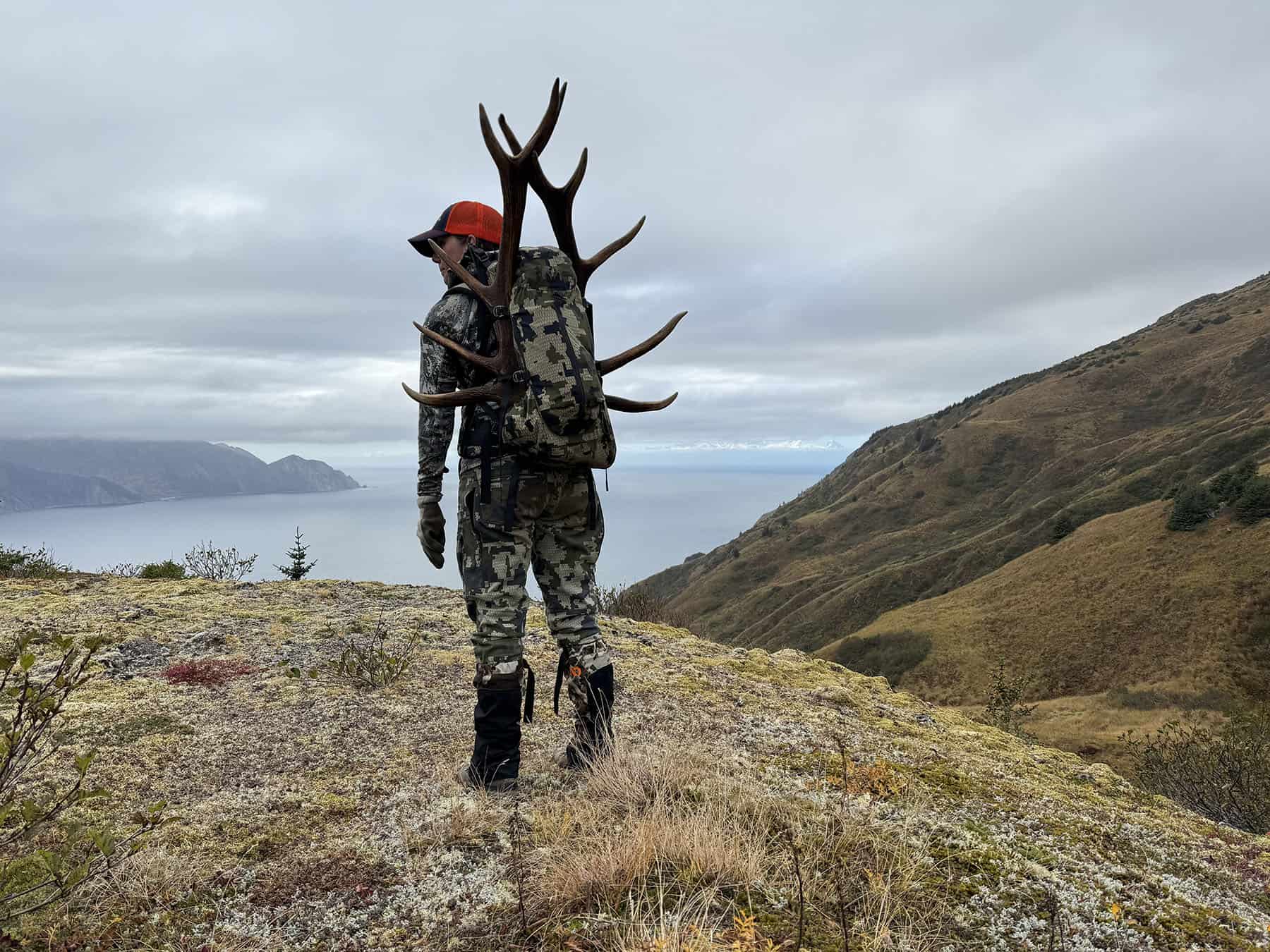
Early in the fall, deer are often found at higher elevations where forage remains abundant, feeding on alpine vegetation, grasses, and berry-producing shrubs. During late September and October, hunting typically favors elevation gain and patient glassing across open slopes.
The rut generally begins in early November, triggered by decreasing daylight. As breeding activity increases and snow begins to accumulate at elevation, deer movement expands. Bucks travel more frequently in search of does, and sightings in mid-elevation forest and transition zones become more common.
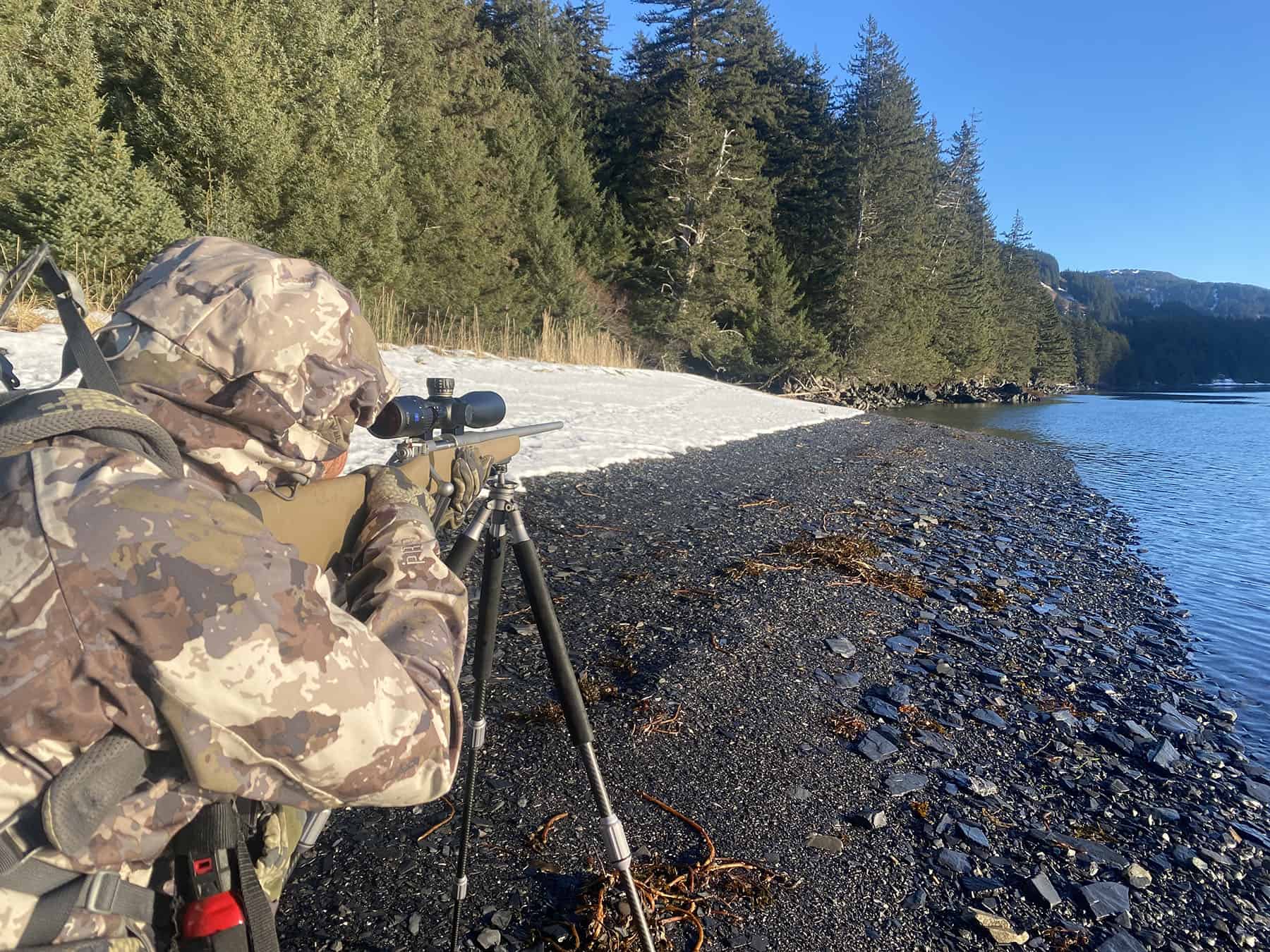
By late November into December, snow depth, temperature, and wind exposure begin to shape distribution. Deer reduce movement and seek sheltered habitat, often pushing lower into shoreline areas and beach grass flats where forage remains accessible. Post-rut bucks are often leaner and more deliberate in movement. Antler drop may begin by mid- to late December.
Seasonal patterns are general rather than fixed. Snowfall, temperature, forage availability, and wind exposure all influence elevation shifts from year to year.
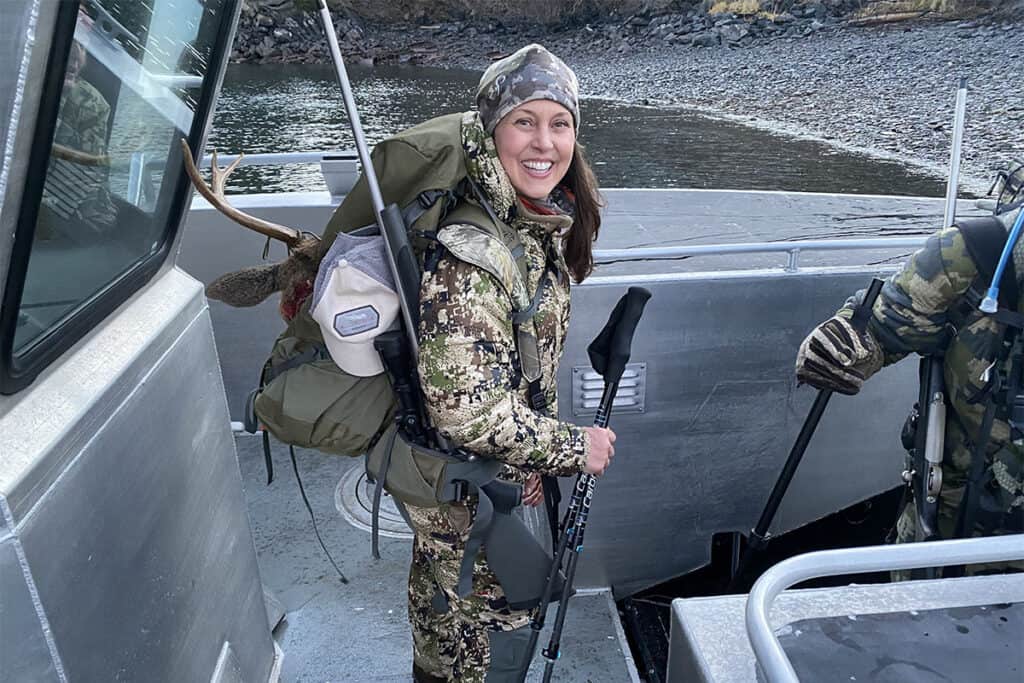


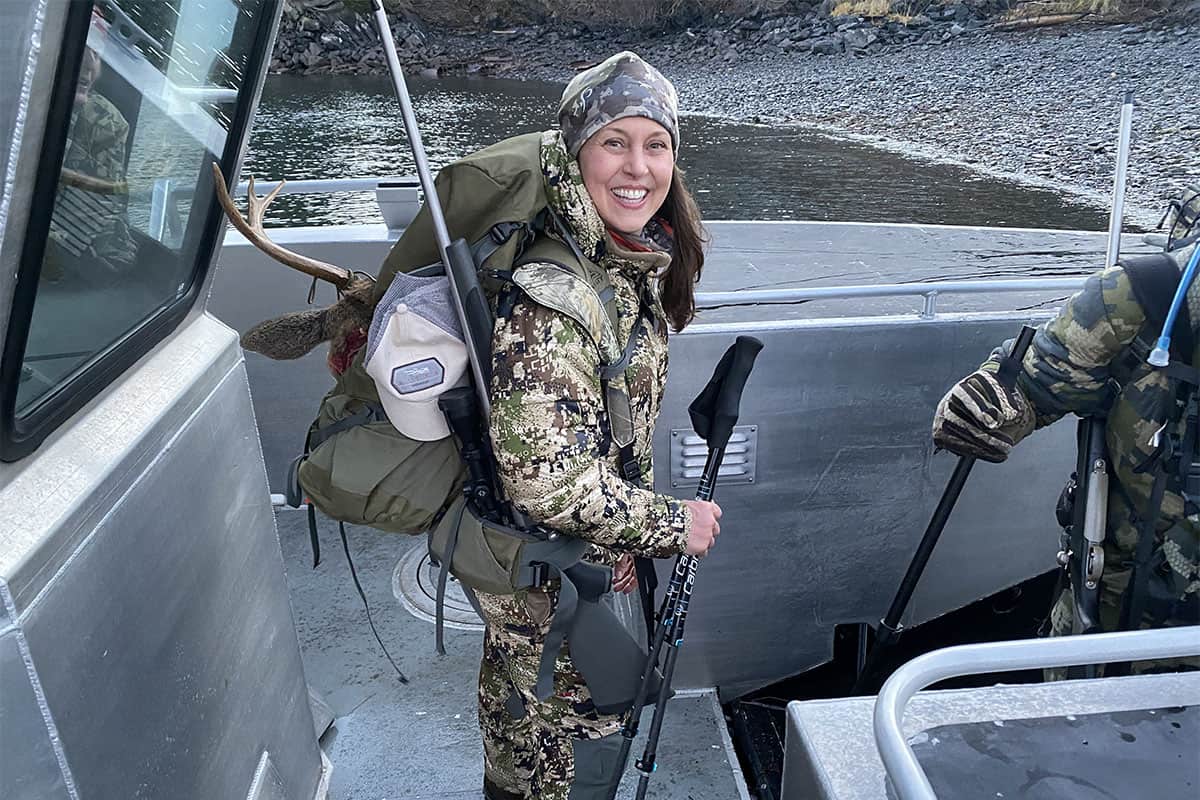

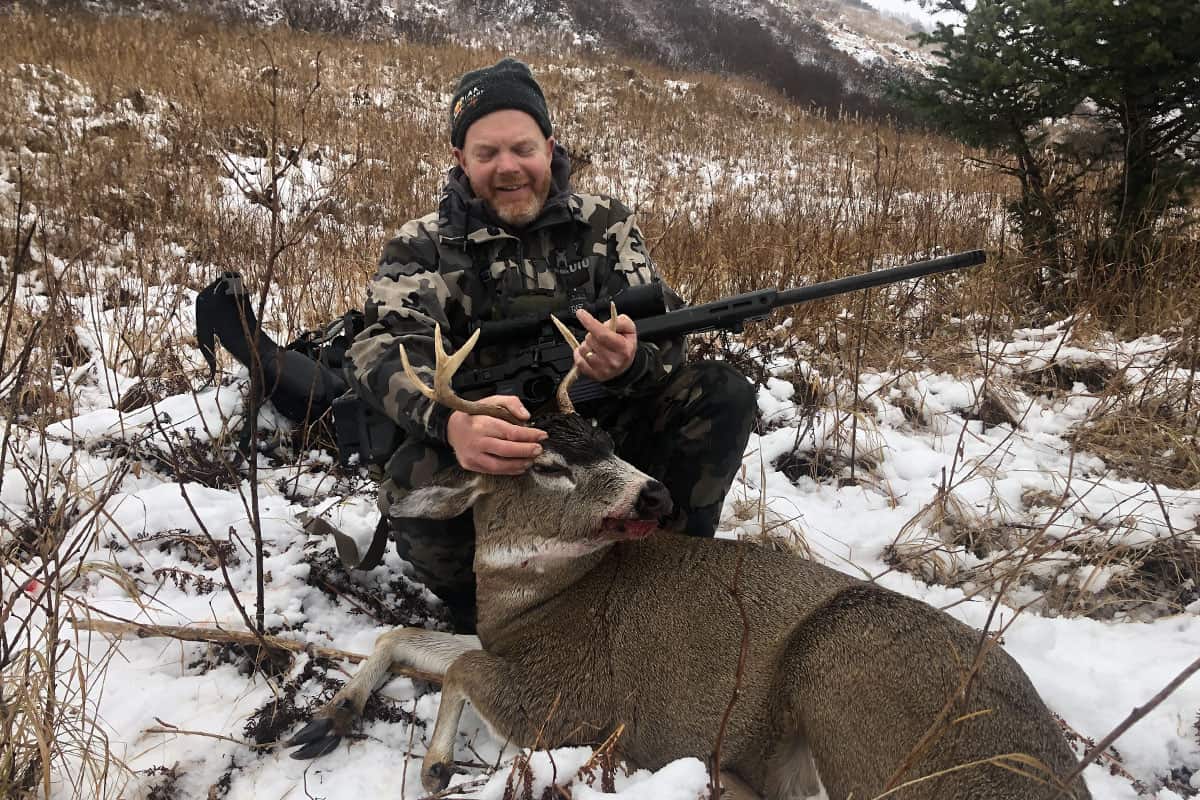

Tracy S., AK

Deer Hunting
Remote Sitka black-tailed deer hunting across the steep mountains of Raspberry and Afognak Islands, combining true wilderness access, physical challenge, and fair-chase hunting in coastal Alaska.