

Roosevelt Elk

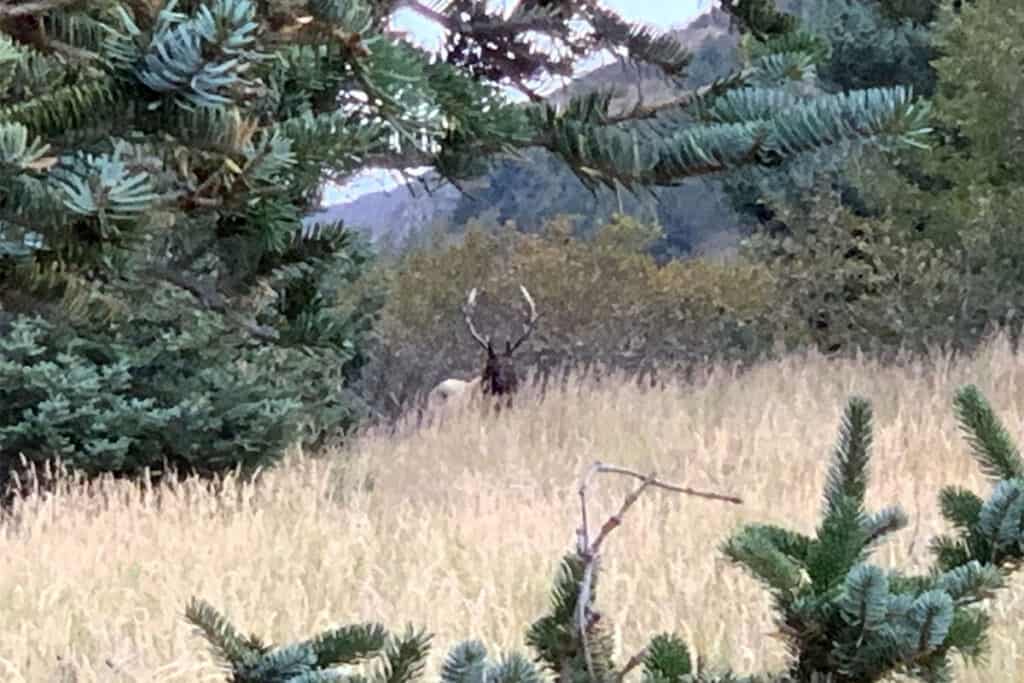
on Raspberry Island and nearby Southwest Afognak Island are herd animals whose movement is shaped by forage availability, weather exposure, terrain, and regional hunting pressure. These elk are descendants of early 20th-century transplants (introduced between 1928 and 1934) and have adapted well to the steep, maritime landscape of the Kodiak Archipelago. Mature bulls are large-bodied, often exceeding 1,000 pounds, while cows typically weigh between 500–700 pounds. They are built for wet ground, thick vegetation, and sustained elevation change, with strong skeletal structure and high fat reserves supporting winter survival.
Outside of the rut, mature bulls often travel separately or in small bachelor groups, while cows, calves, and younger bulls may form larger herds that can exceed one hundred animals. Herd size and distribution vary throughout the season, influenced by forage quality and group dynamics.
The rut generally begins in mid-to late September and typically peaks from late September through early October, triggered by decreasing daylight. During this period, bulls gather and defend harems, and vocalizations increase.
As the breeding period concludes, herd patterns stabilize. Bulls become quieter and more focused on feeding and recovery, rebuilding body condition lost during the rut. Later in the season, weather begins to exert greater influence on daily movement. Snow accumulation at elevation, cold temperatures, and wind exposure may shift elk toward more sheltered mid-elevation forest or lower benches depending on conditions.
Seasonal patterns are influenced by snow depth, forage conditions, hunting pressure across the region, and prevailing wind exposure. Movement is shaped more by weather and terrain than by fixed calendar dates, and no two seasons unfold exactly the same.




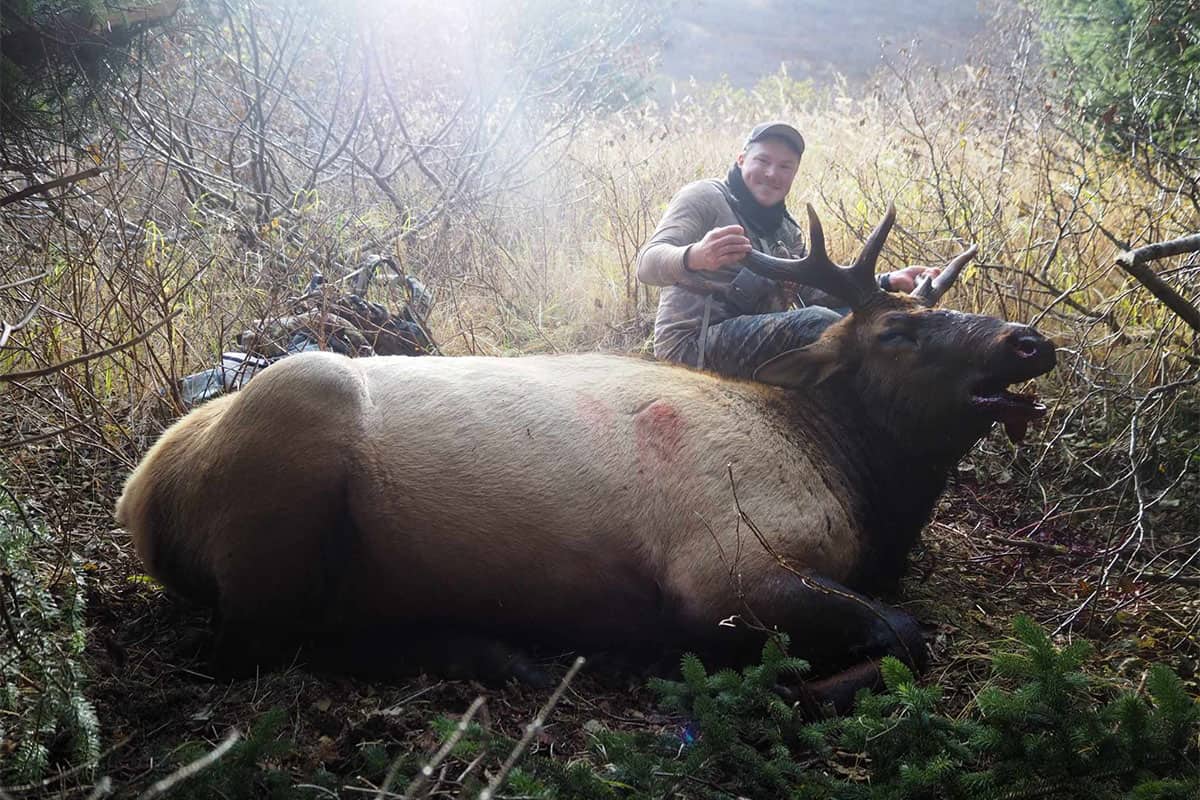


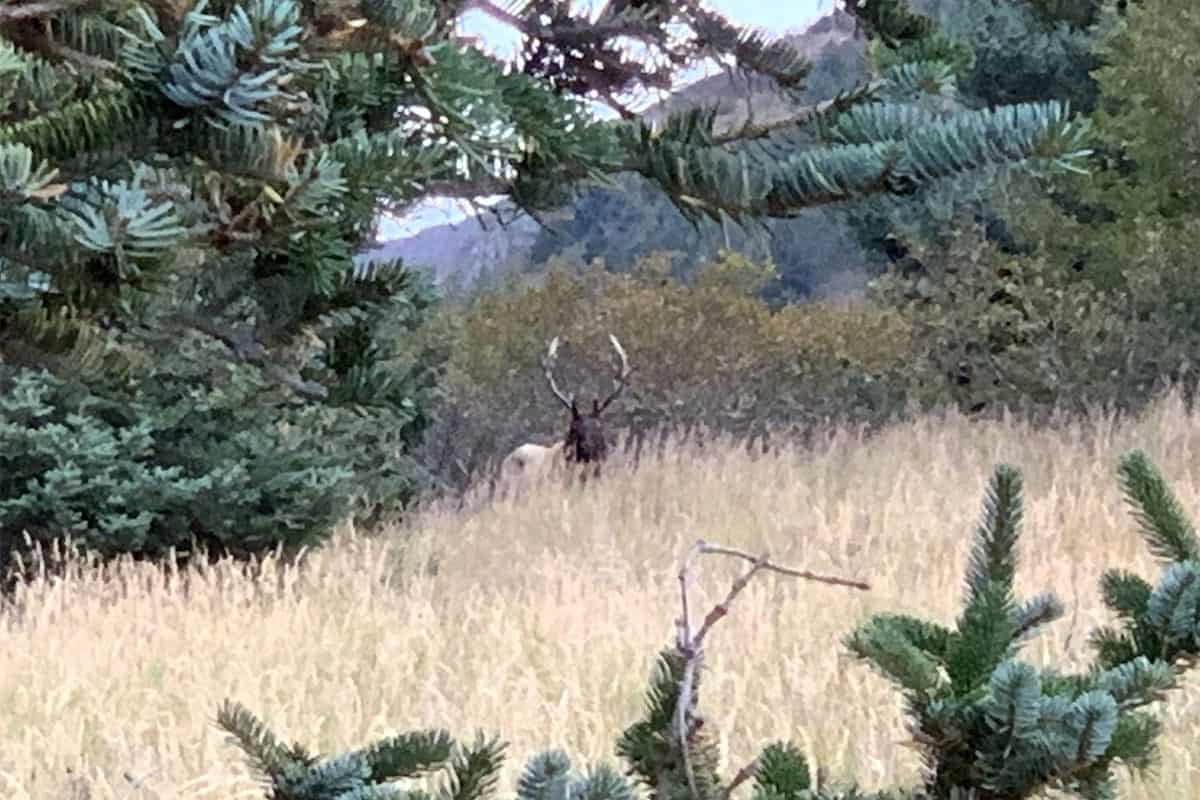


Tim V., AK

Elk Hunting
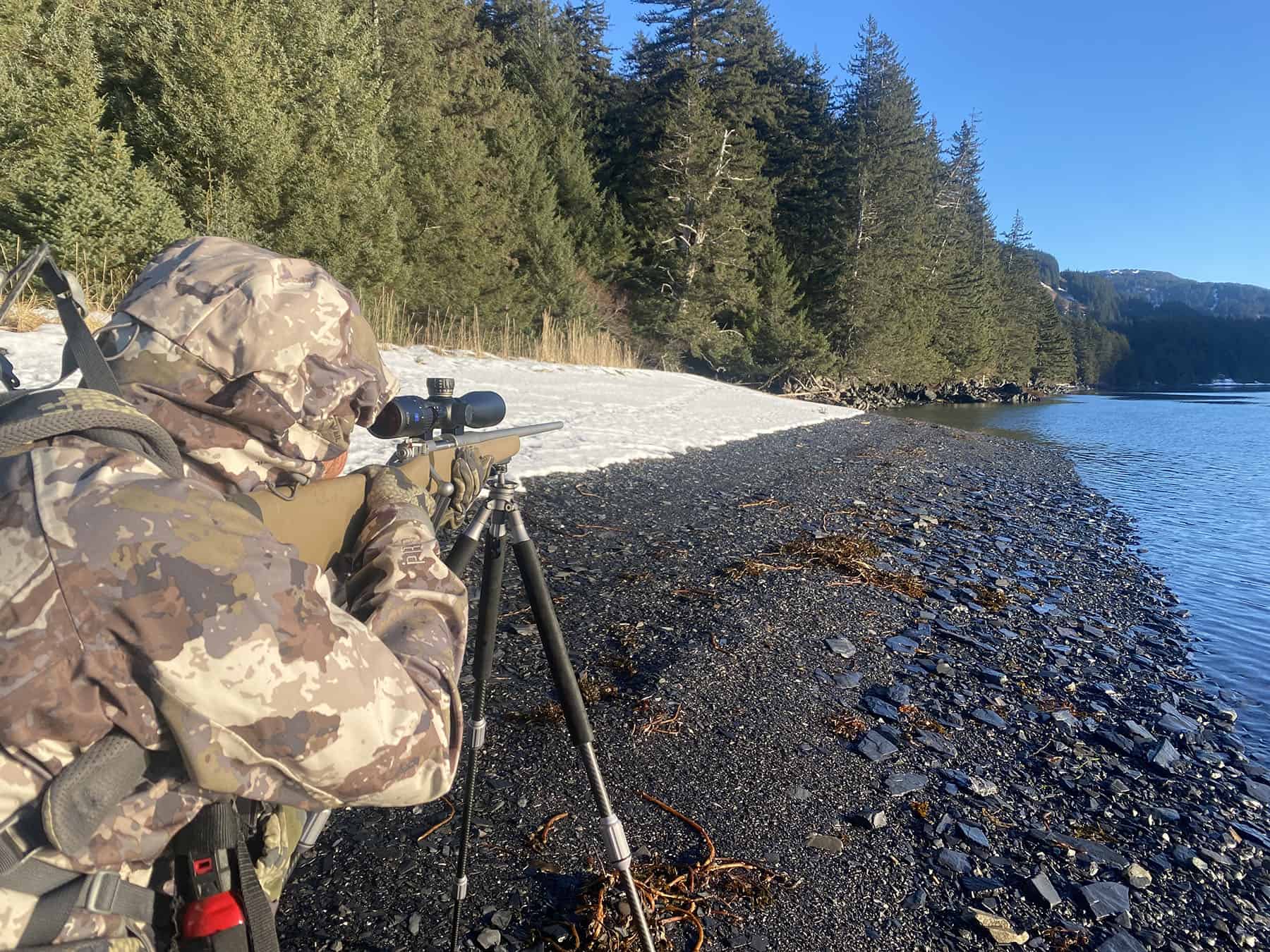
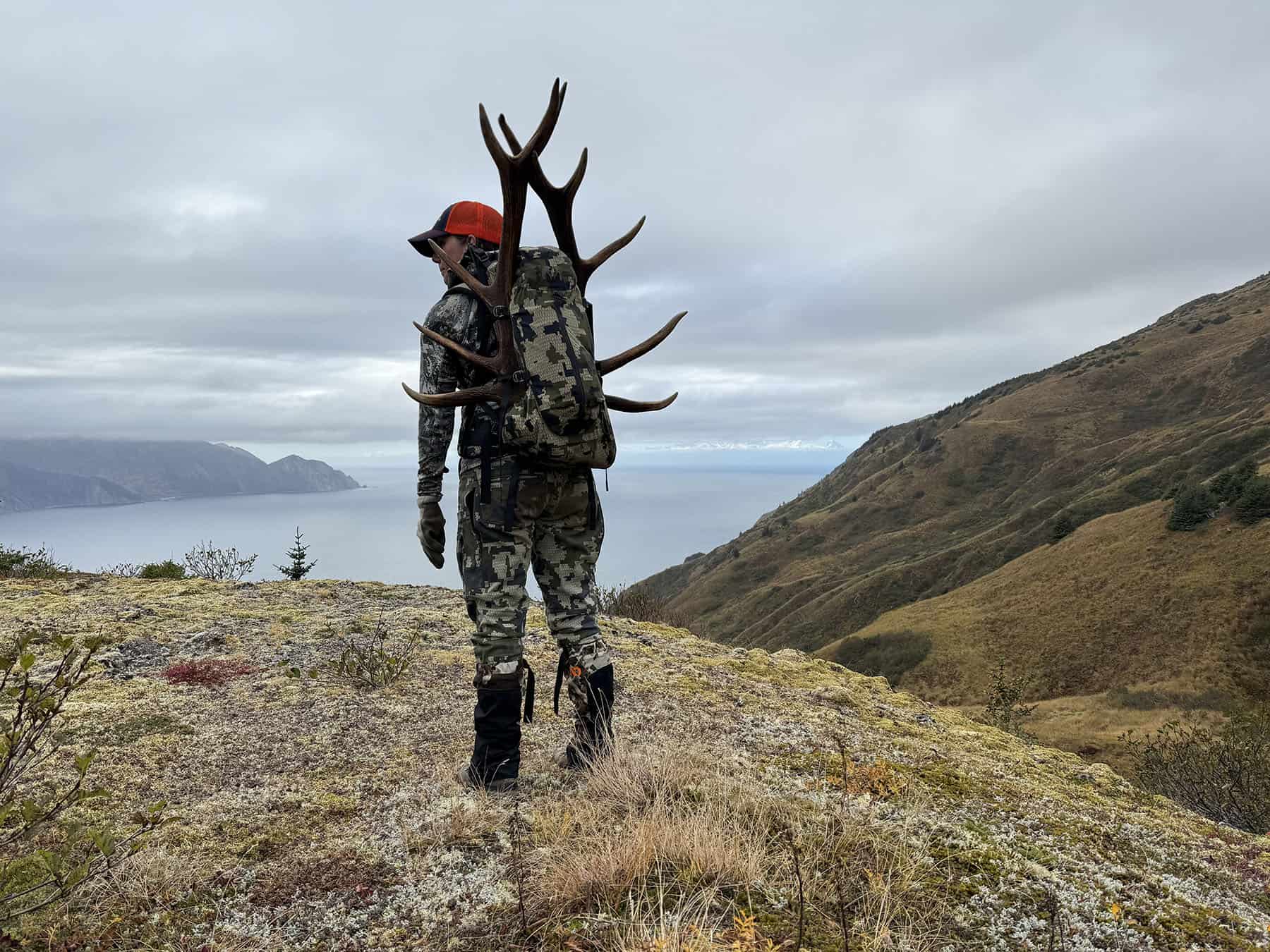
Roosevelt elk hunting in remote, boat-accessed wilderness on Raspberry and Southwest Afognak Islands, featuring steep terrain, alpine ridges, and physically demanding fair-chase hunting.