
Raspberry and Afognak Islands

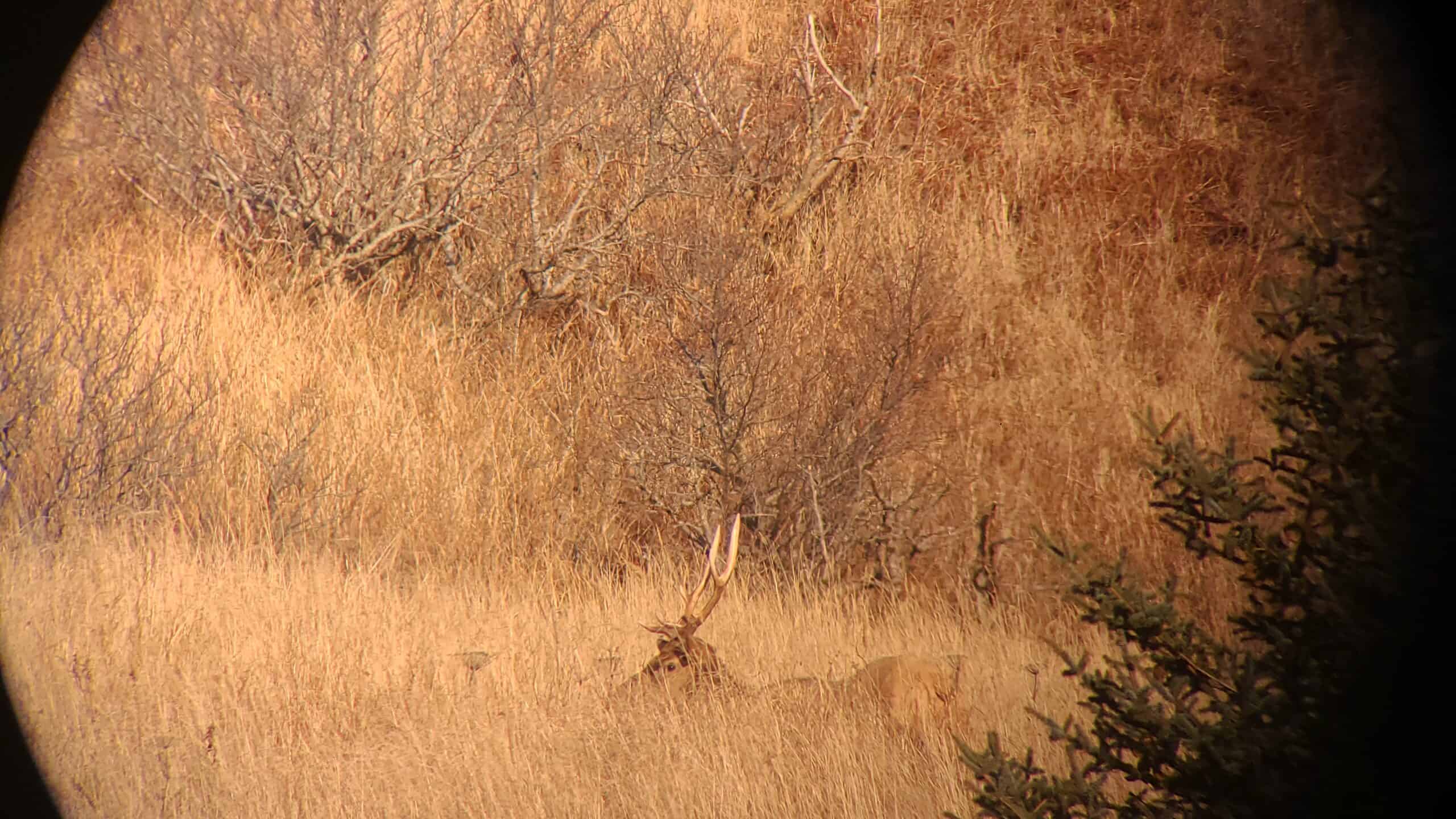
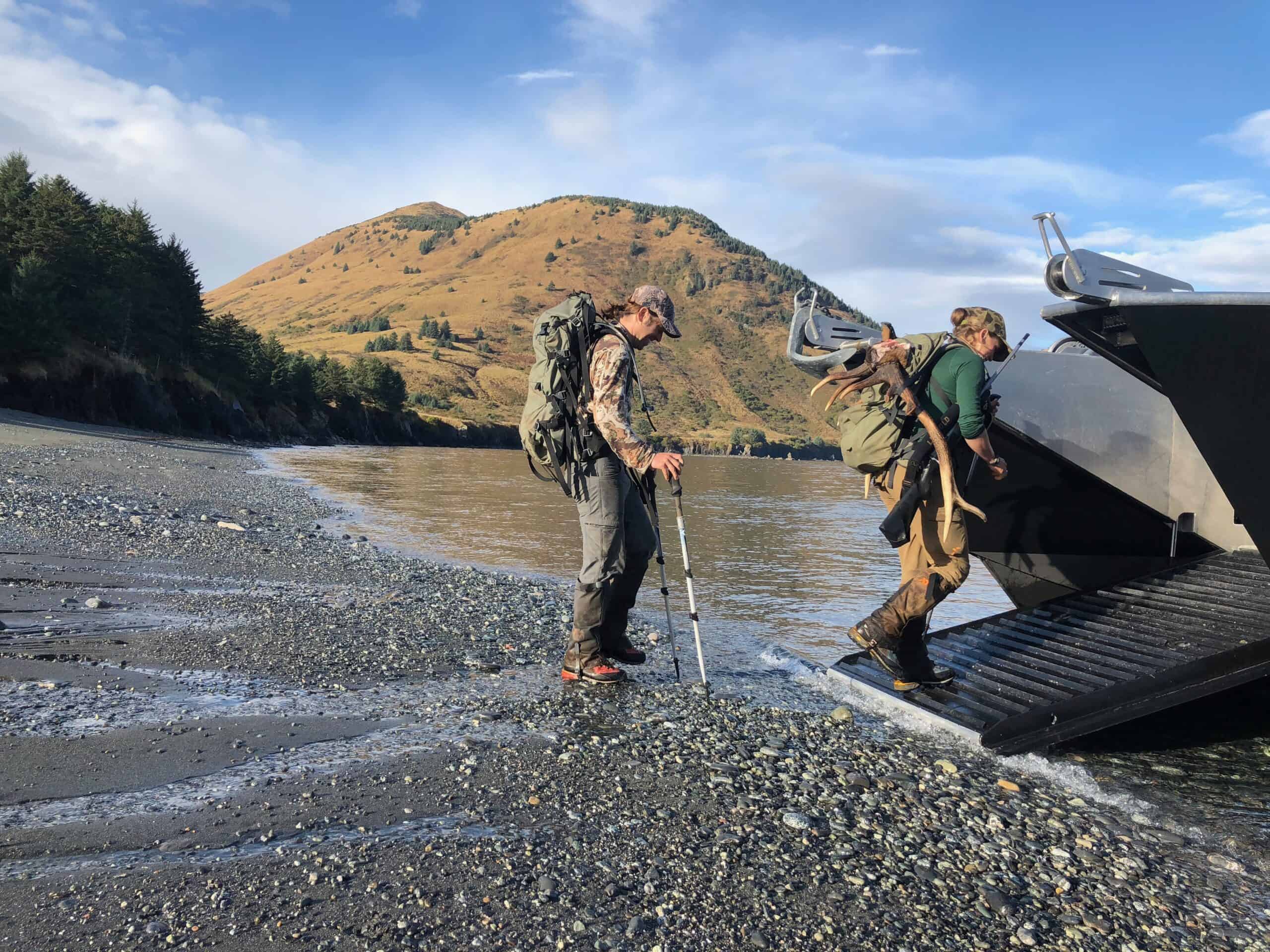
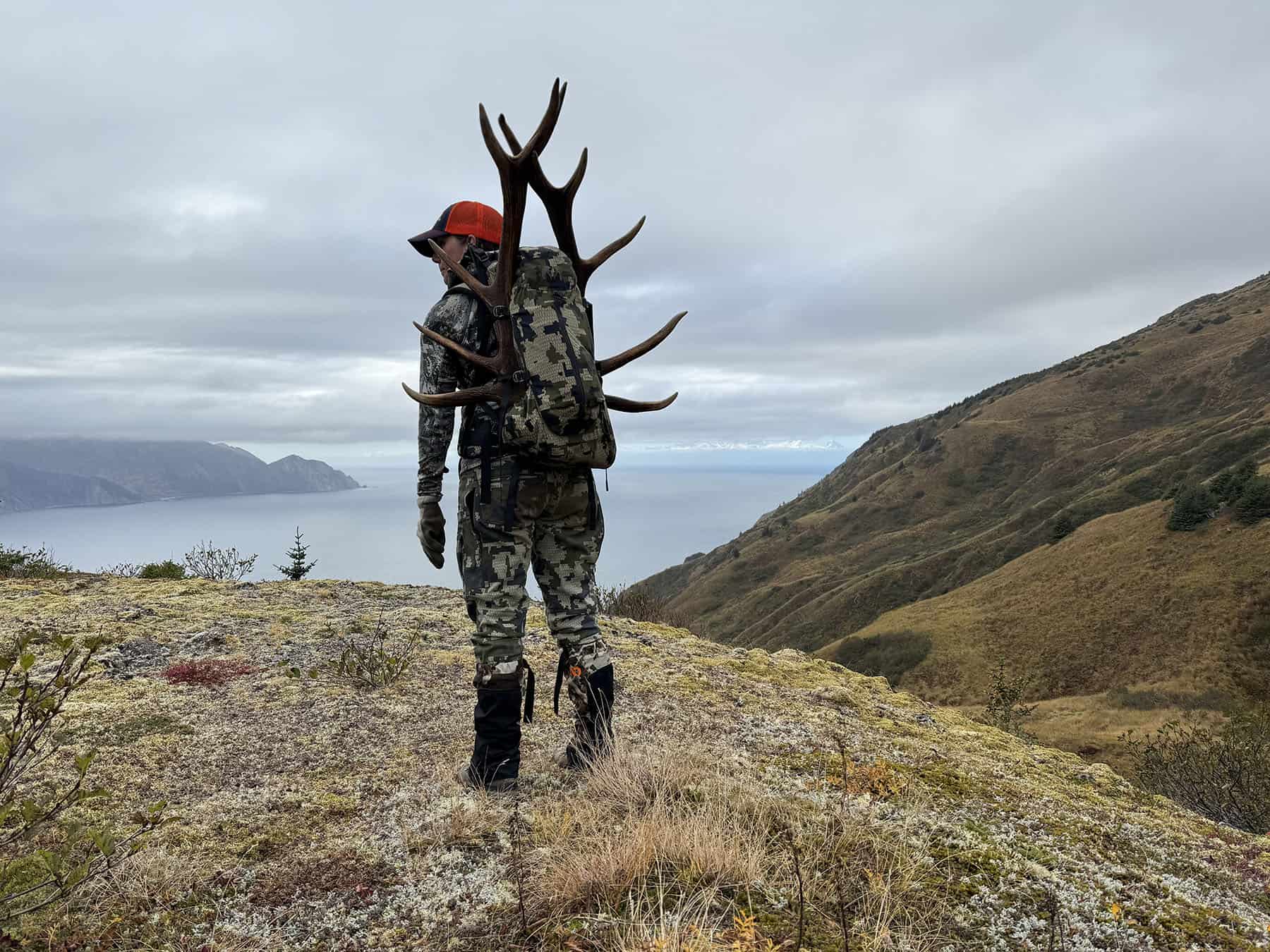
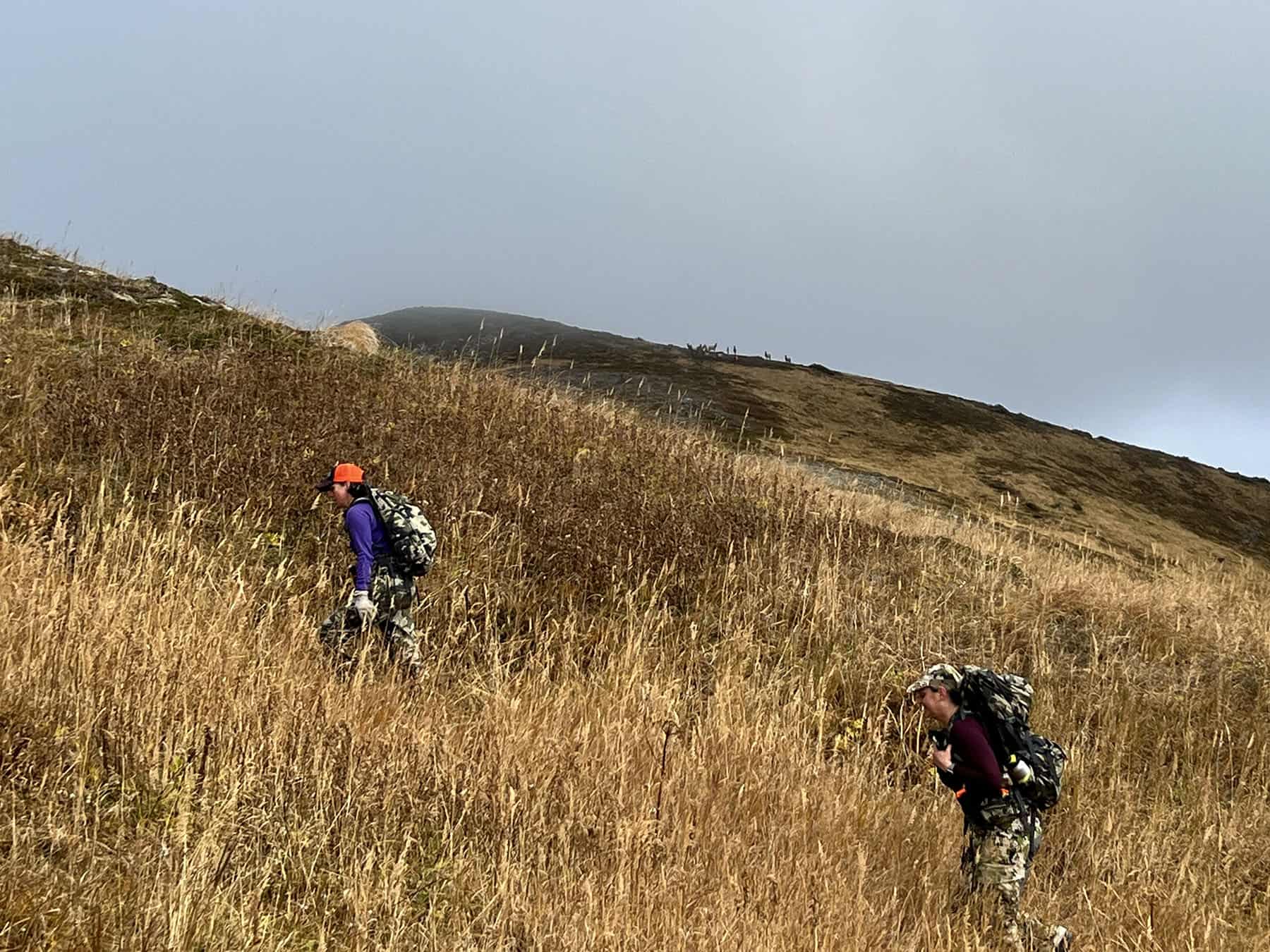
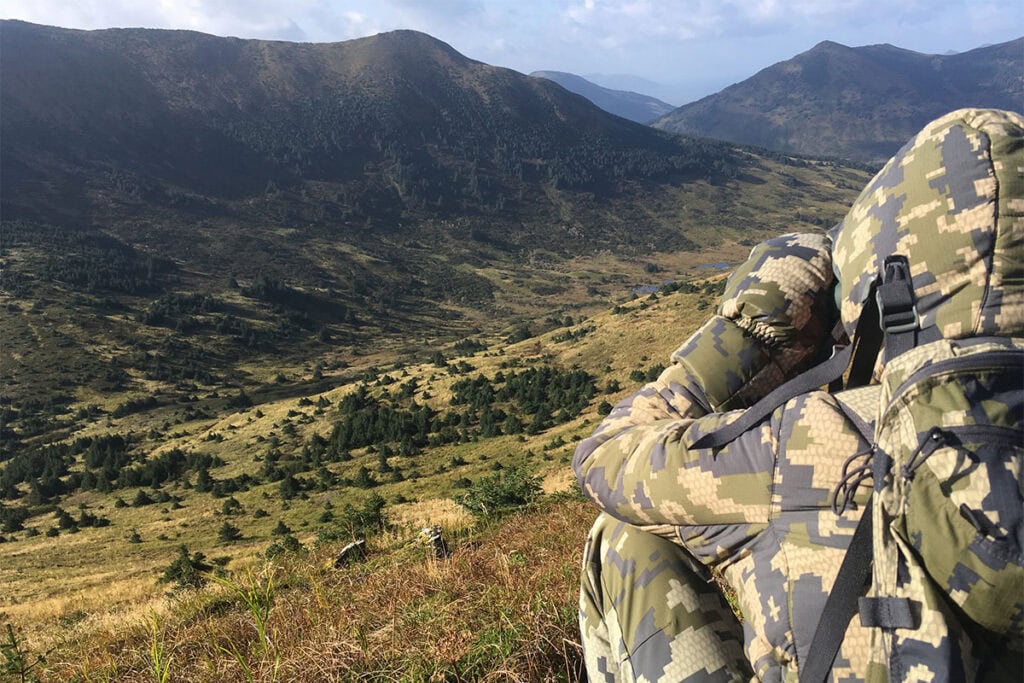
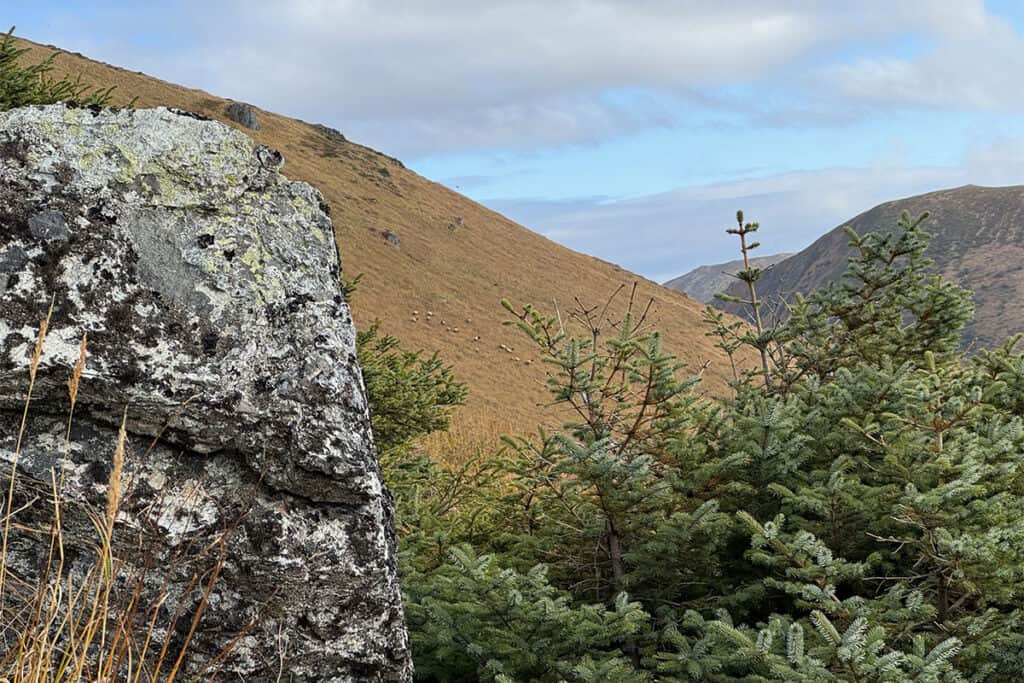
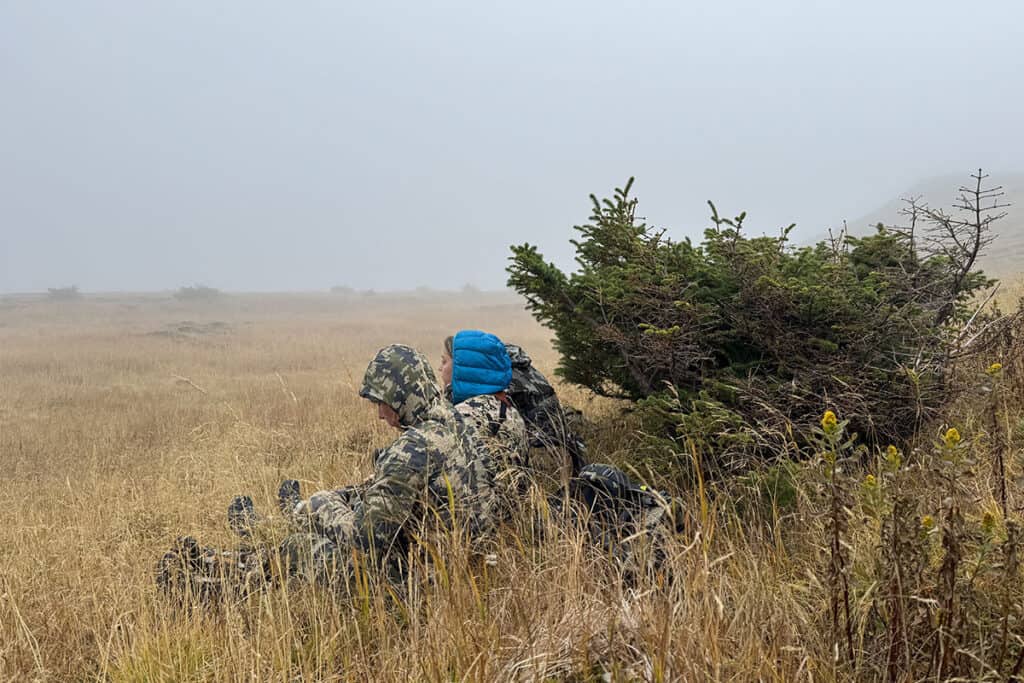
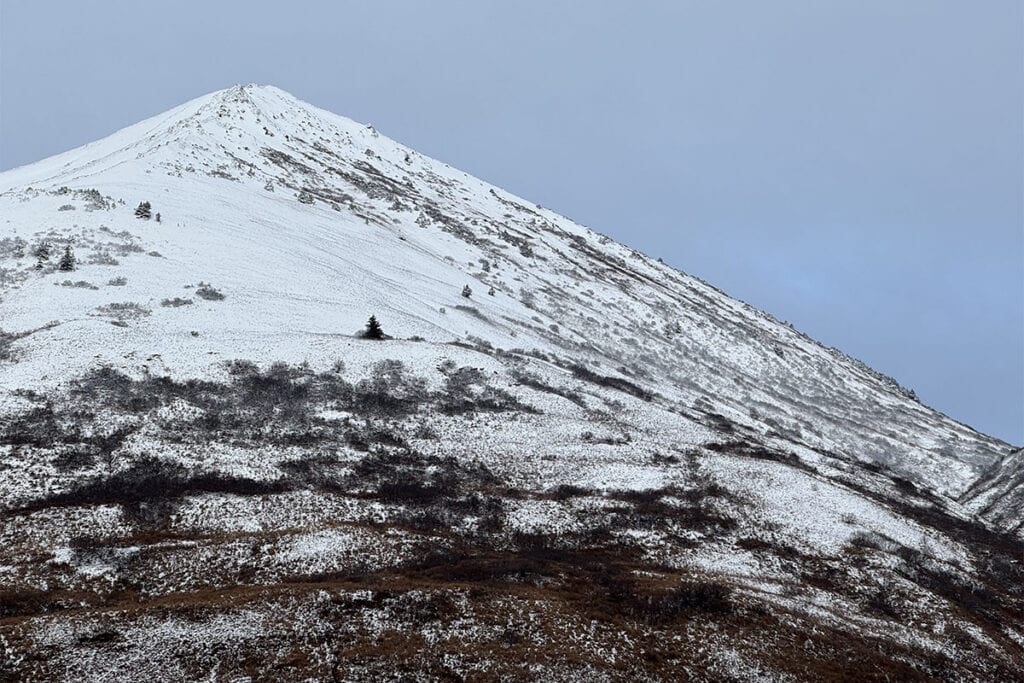
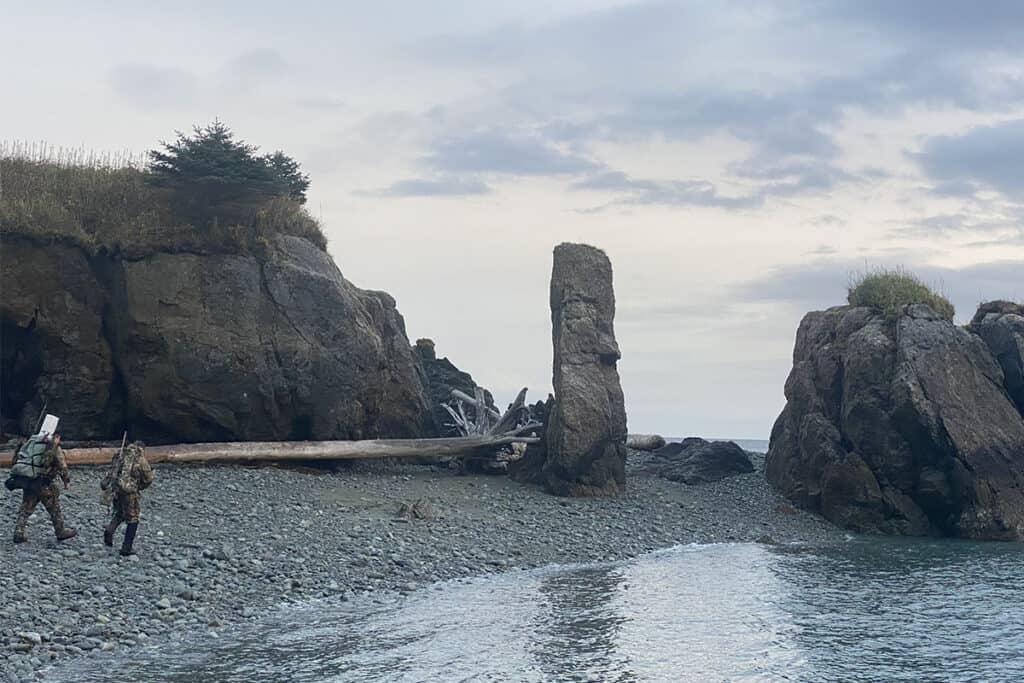
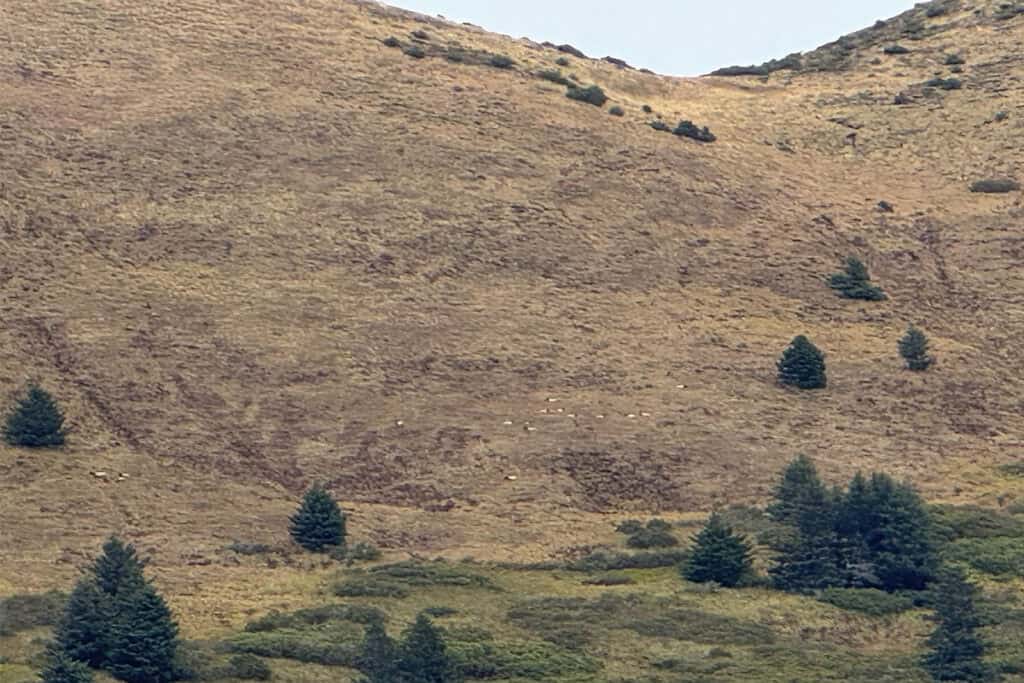
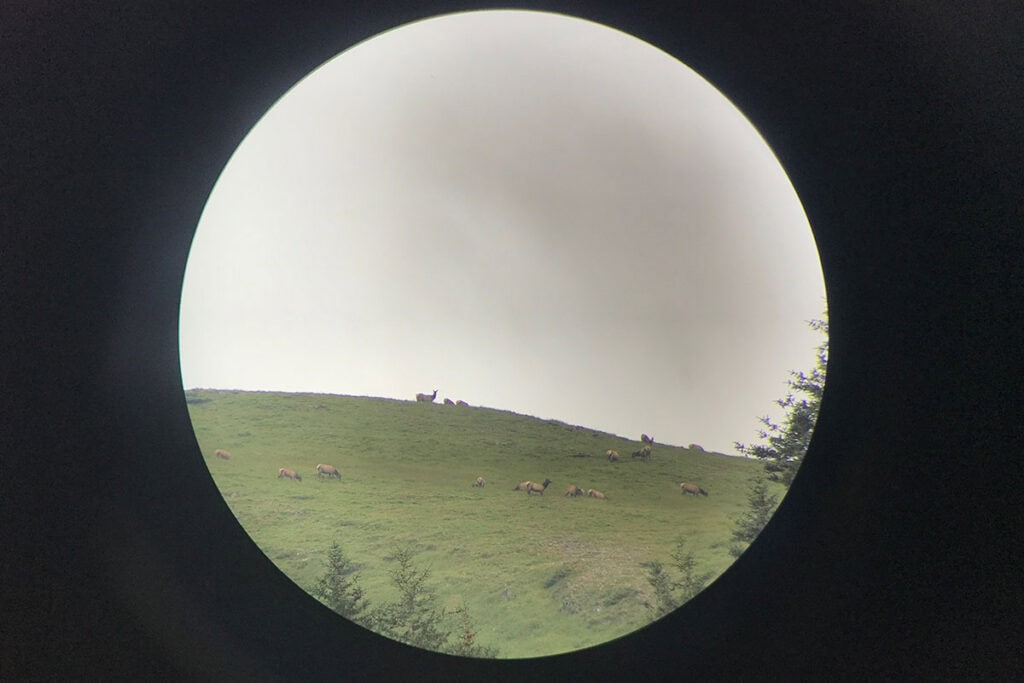
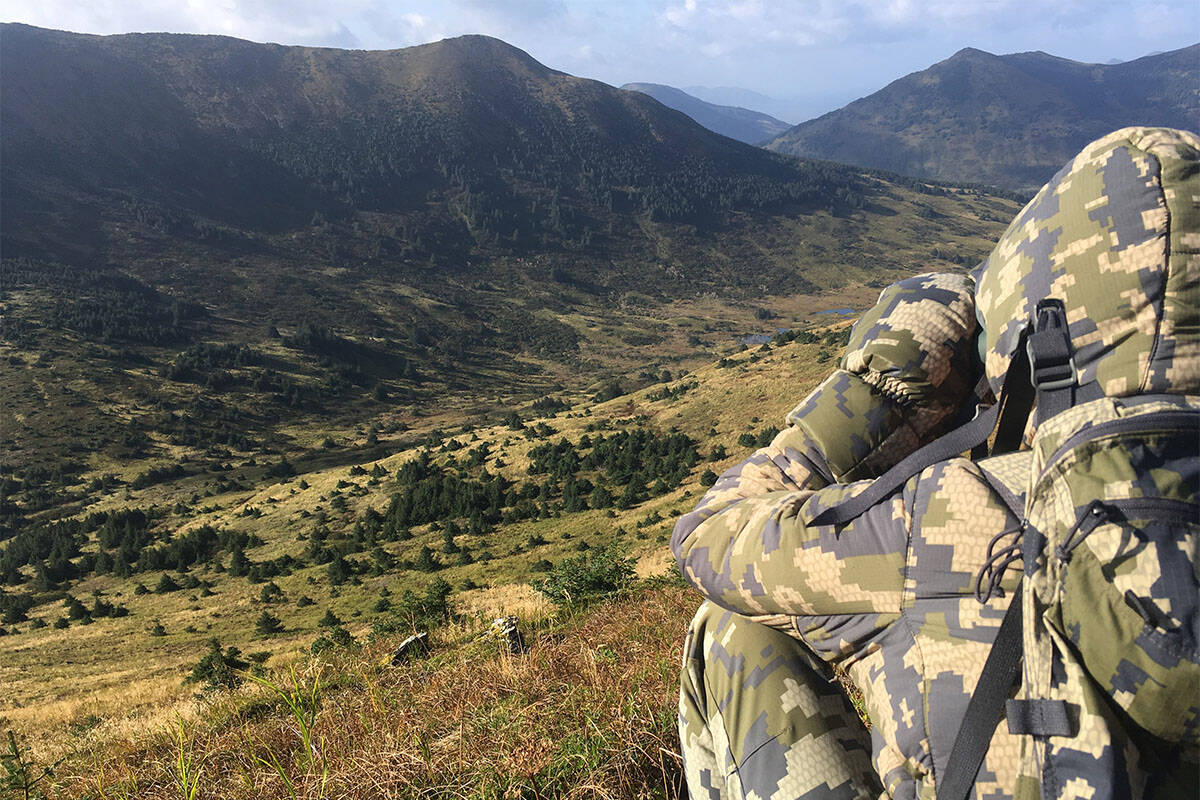
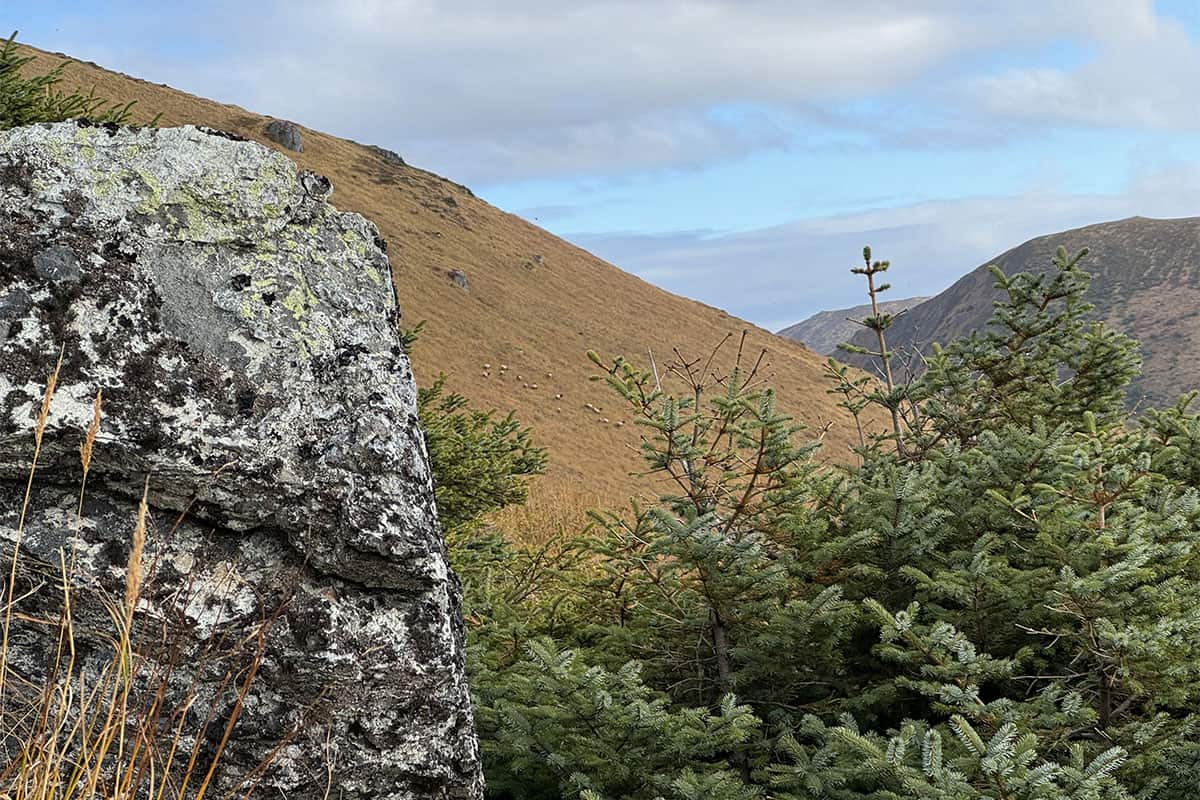
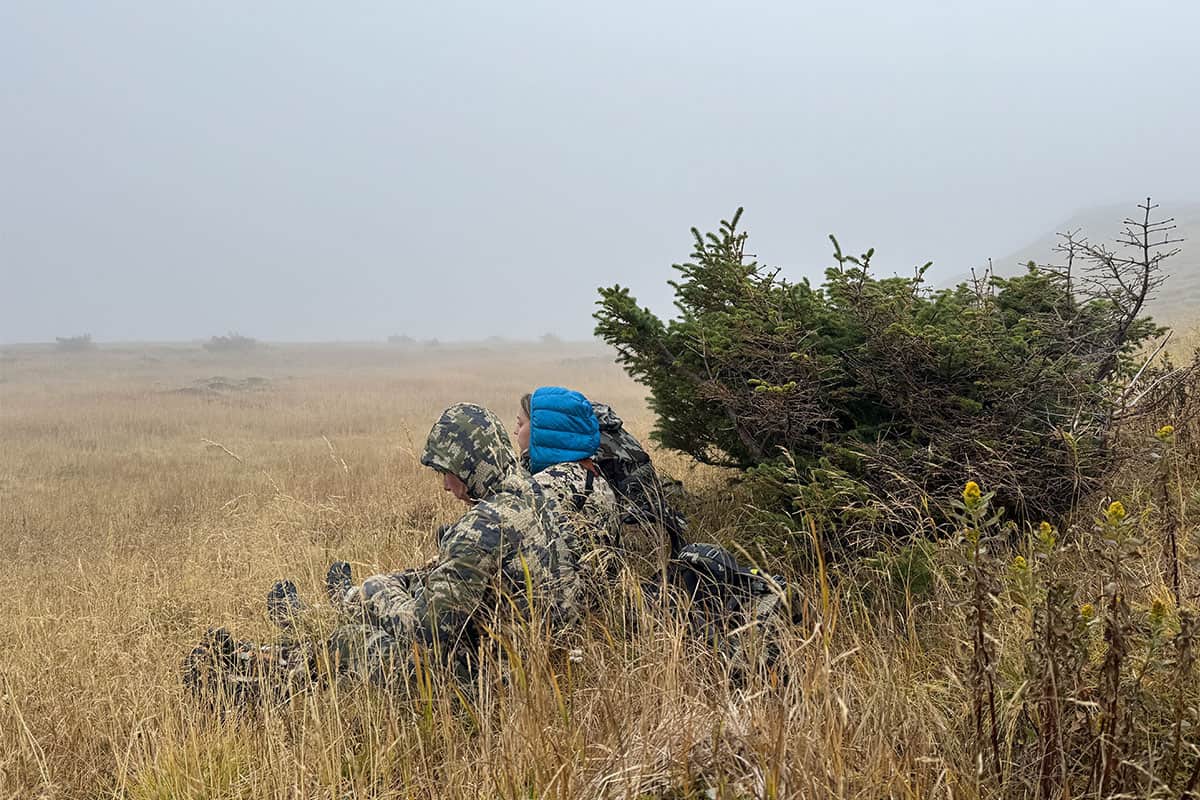
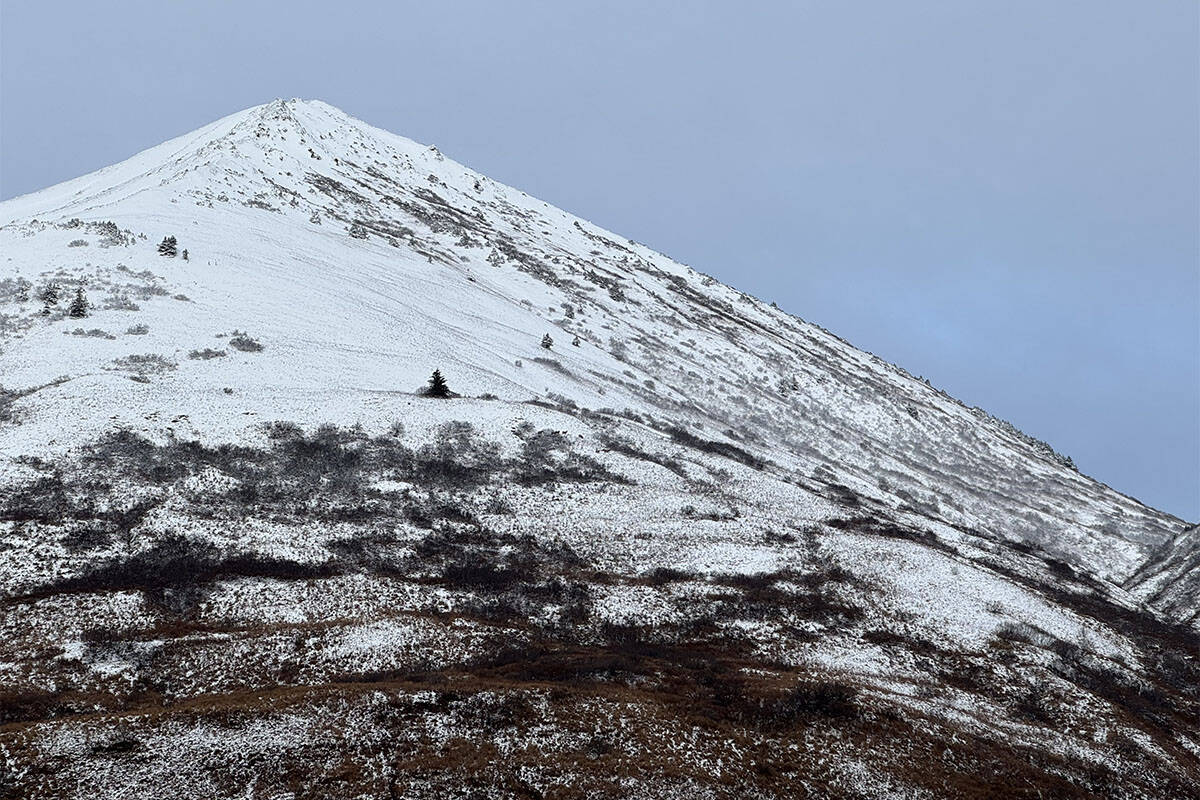
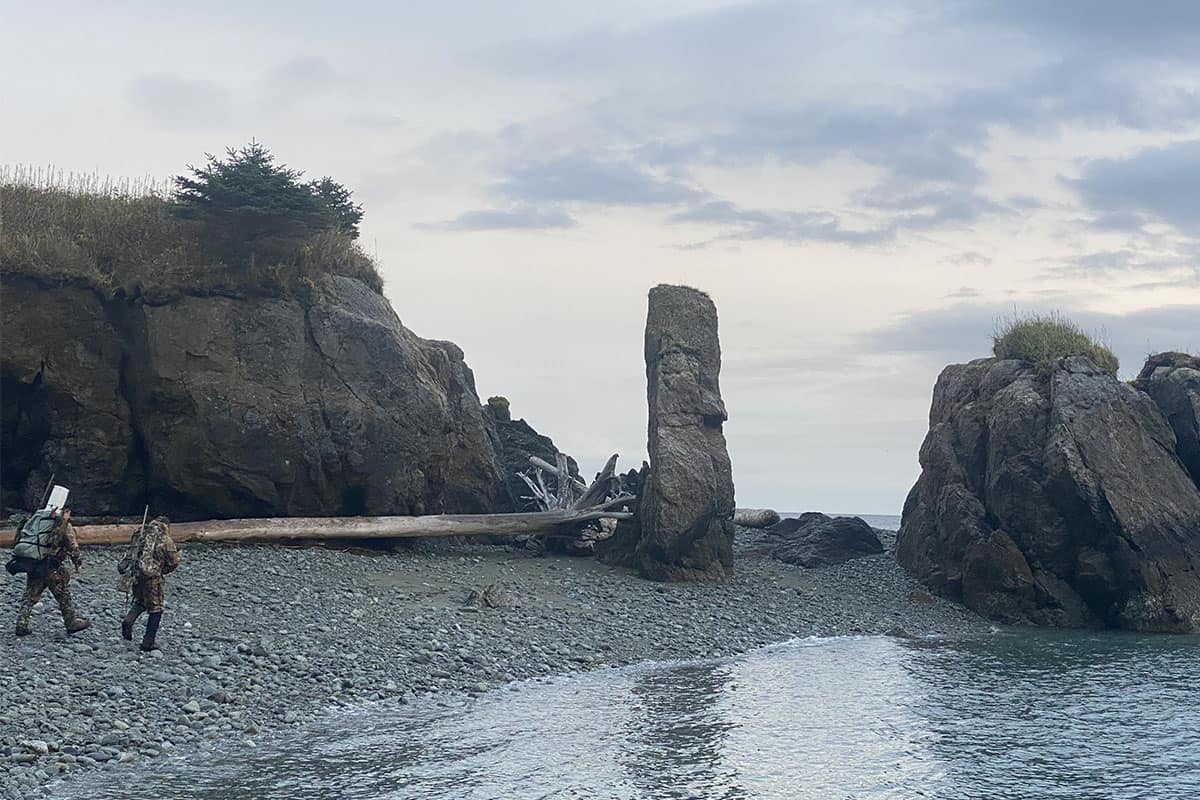
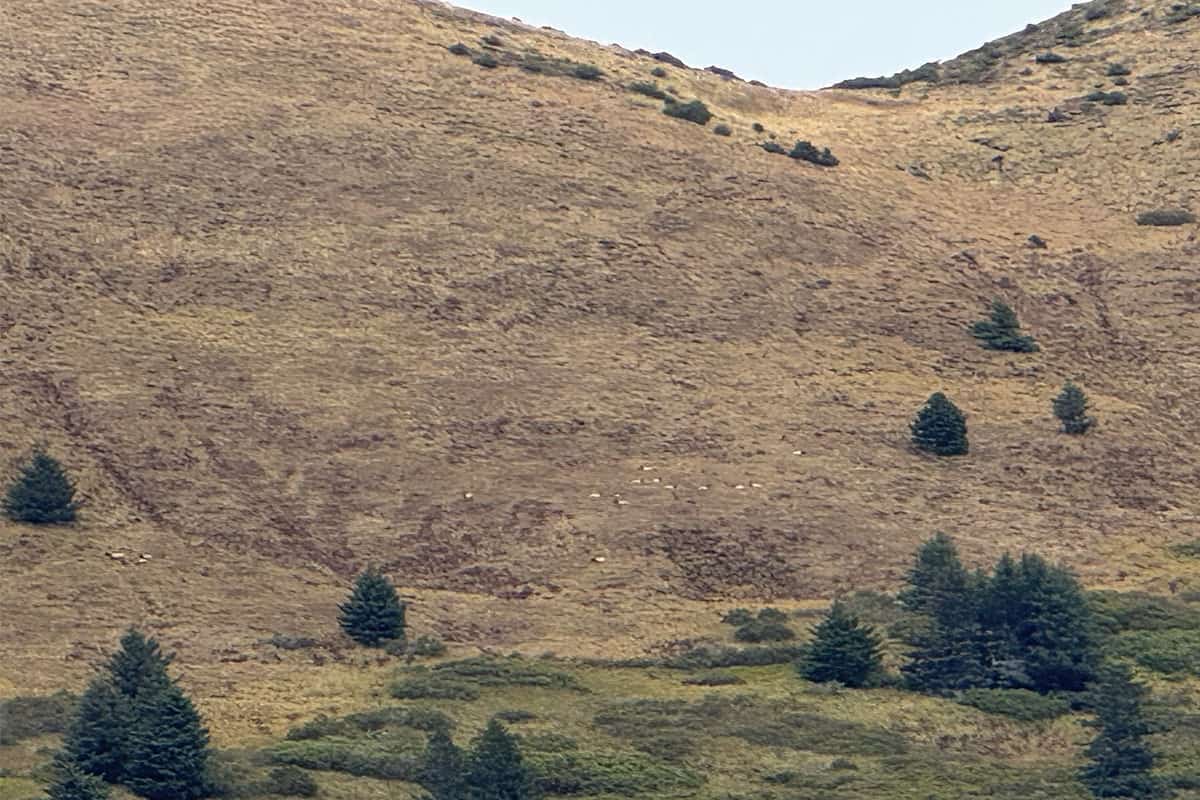
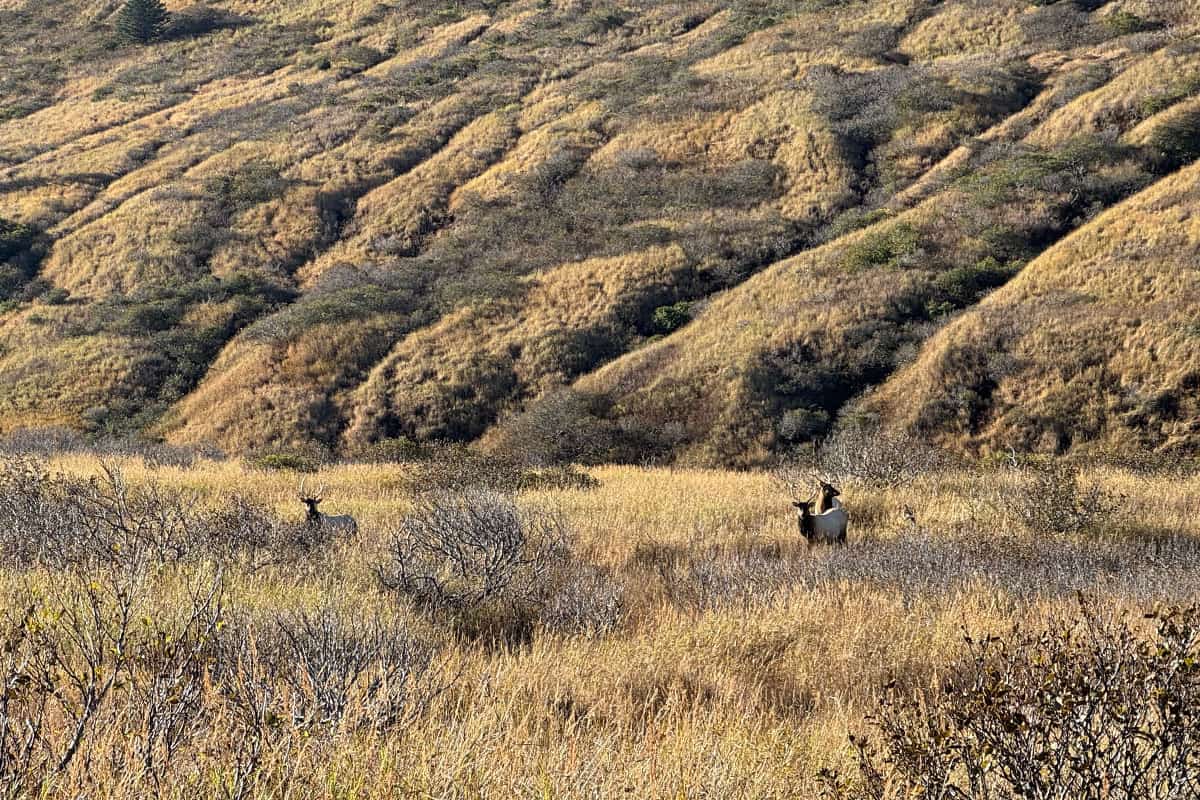
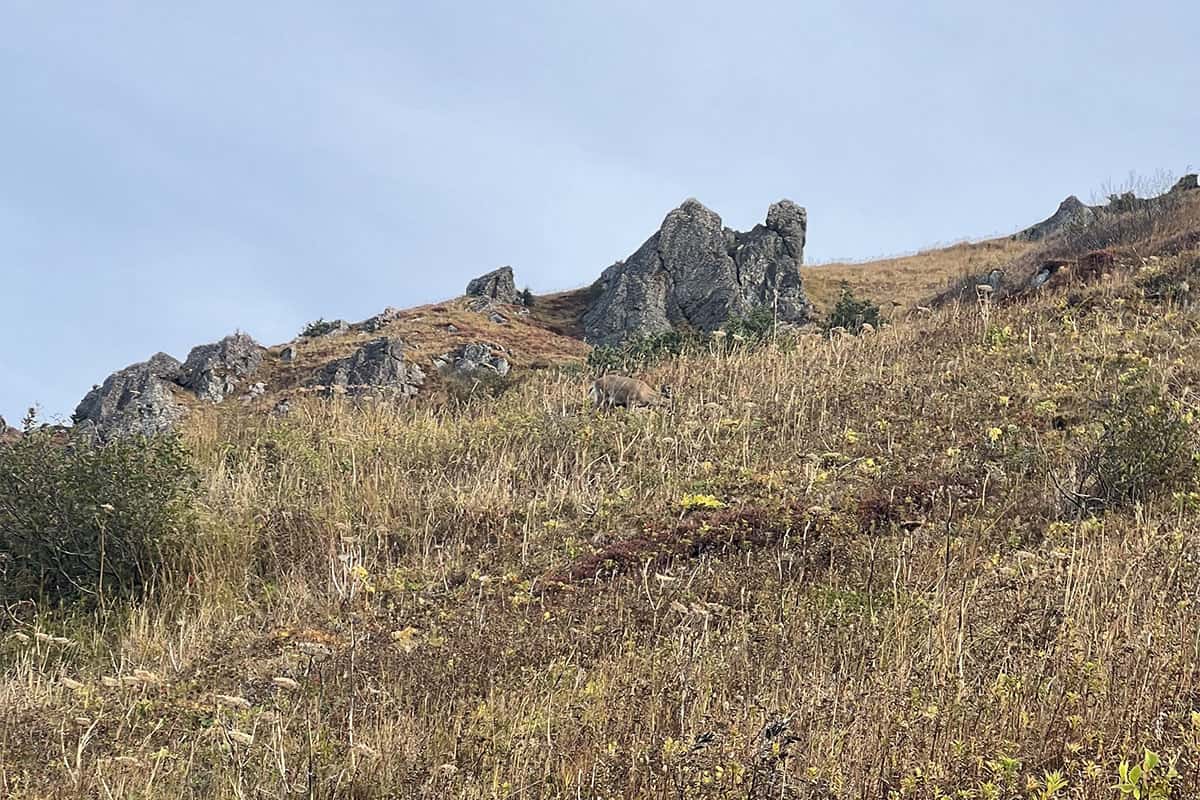
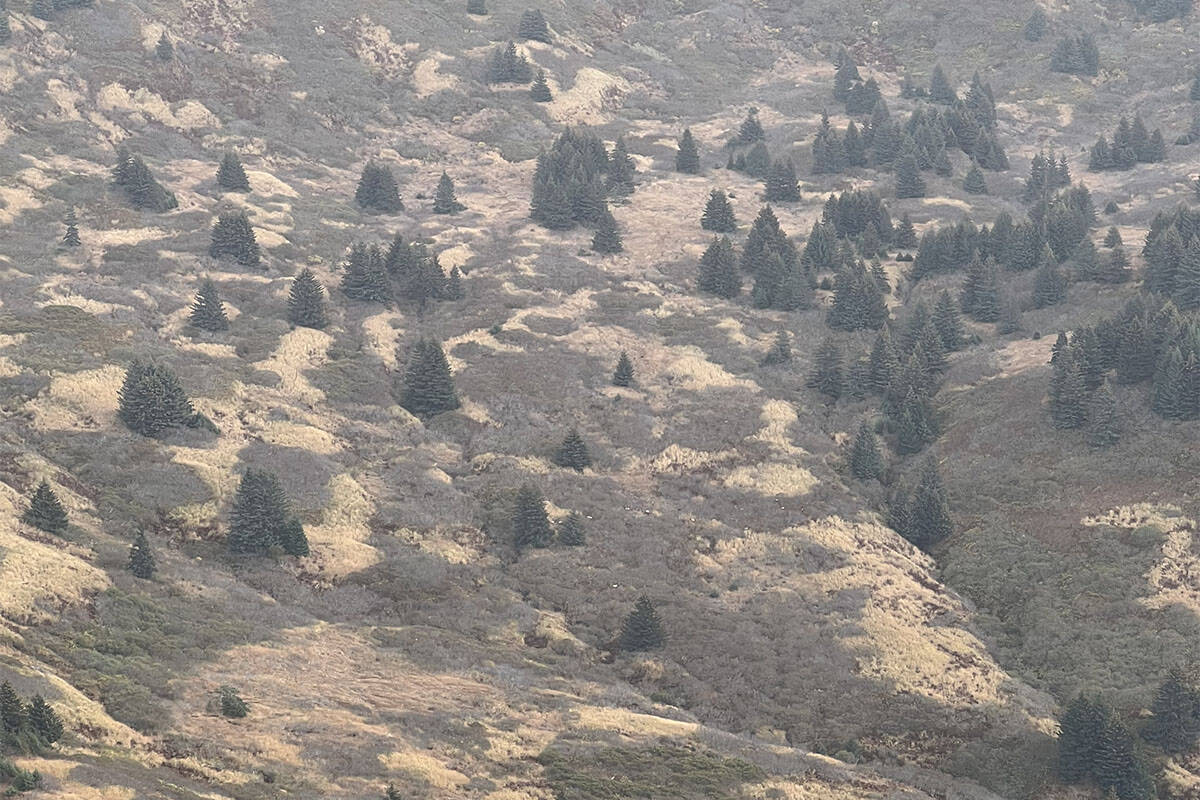
are characterized by steep, glacially formed mountains rising directly from sea level to over 2,000 feet, separated by long, sloping valleys and drainages. Lower and mid-elevations may consist of mature Sitka spruce canopy, alder thickets, salmonberry, and the occasional swamp or river crossing. Higher country opens into beautiful grass-covered ridges, rock outcrops, and long ridge lines suitable for resting and glassing.
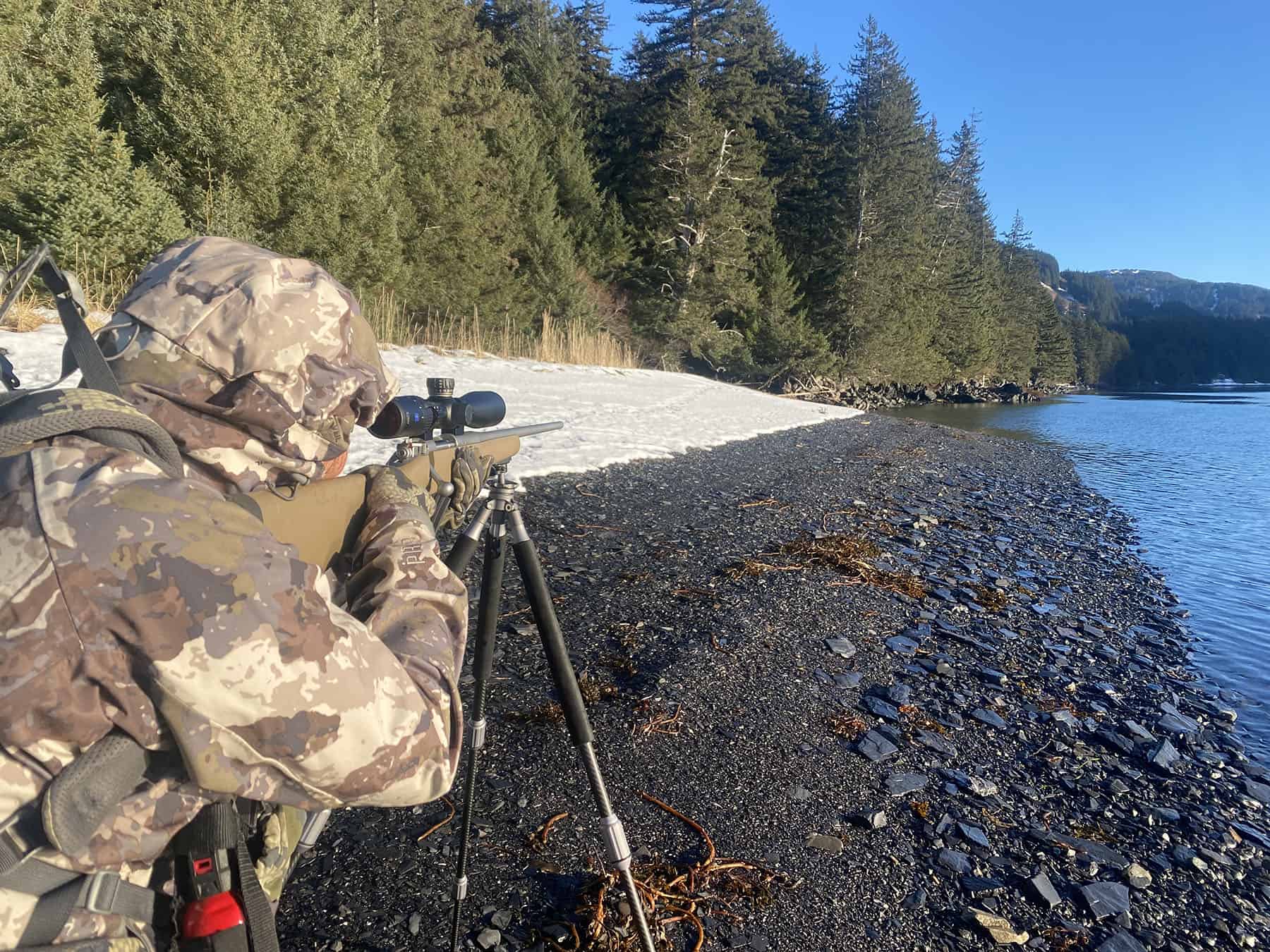
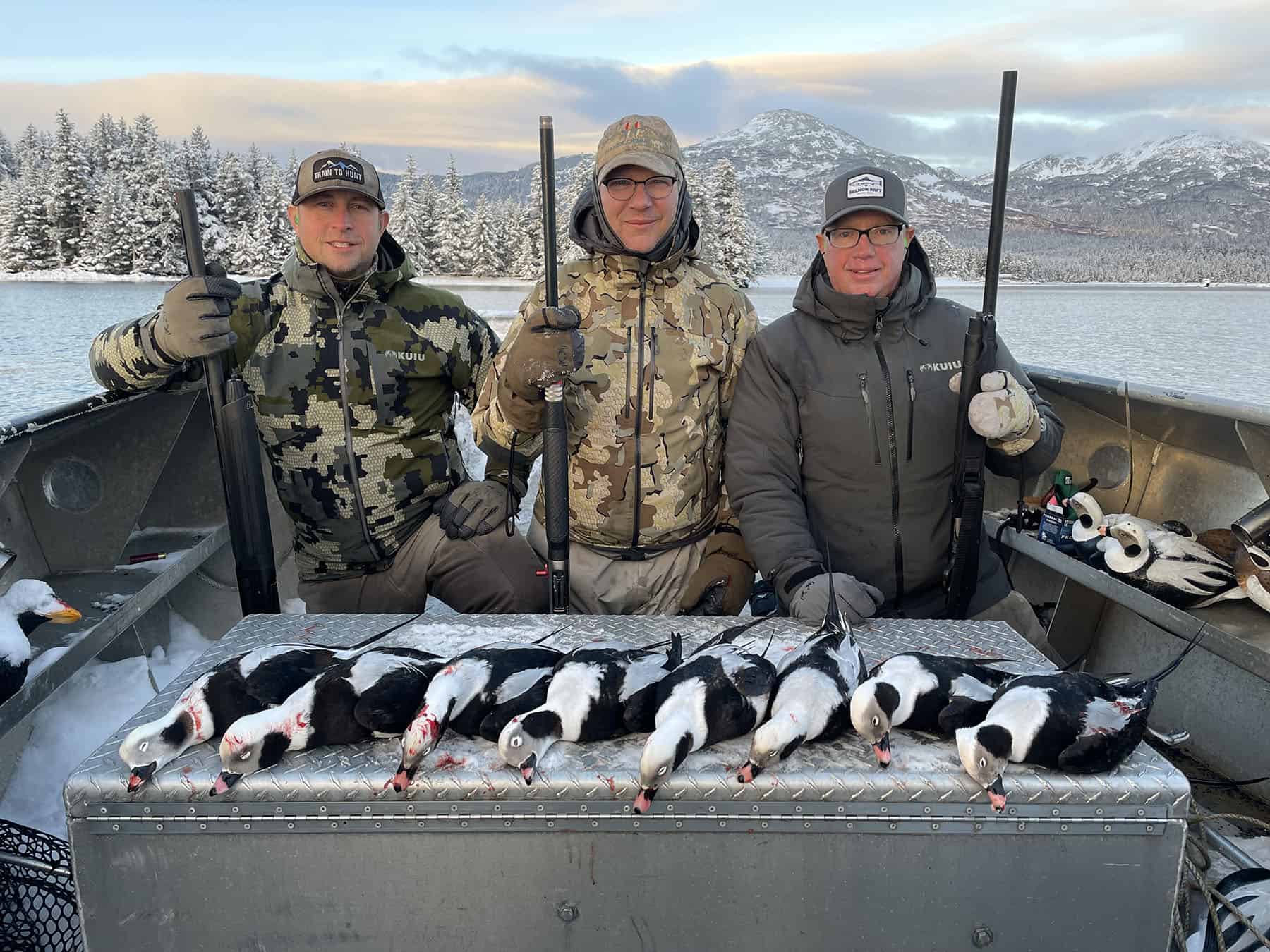
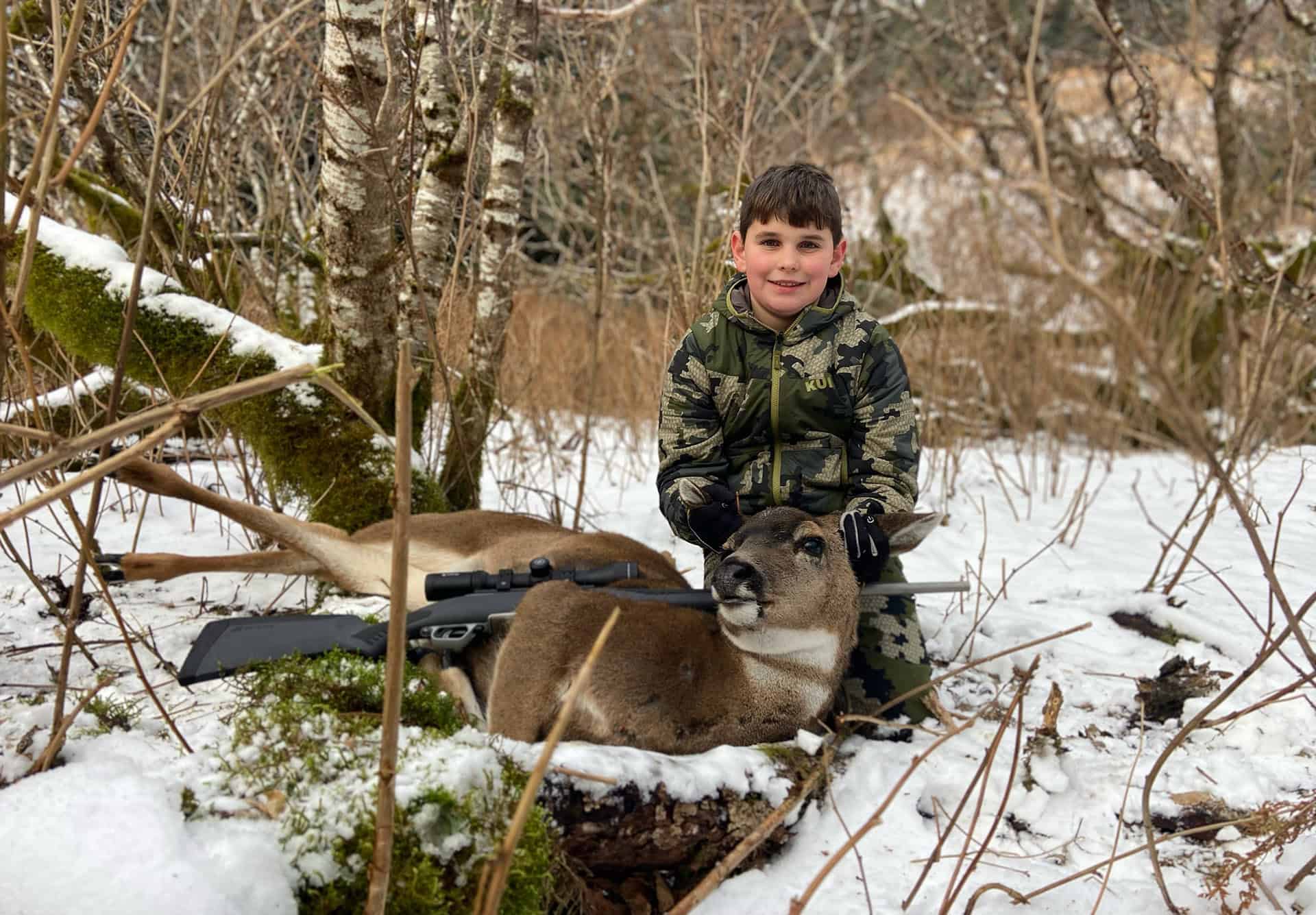
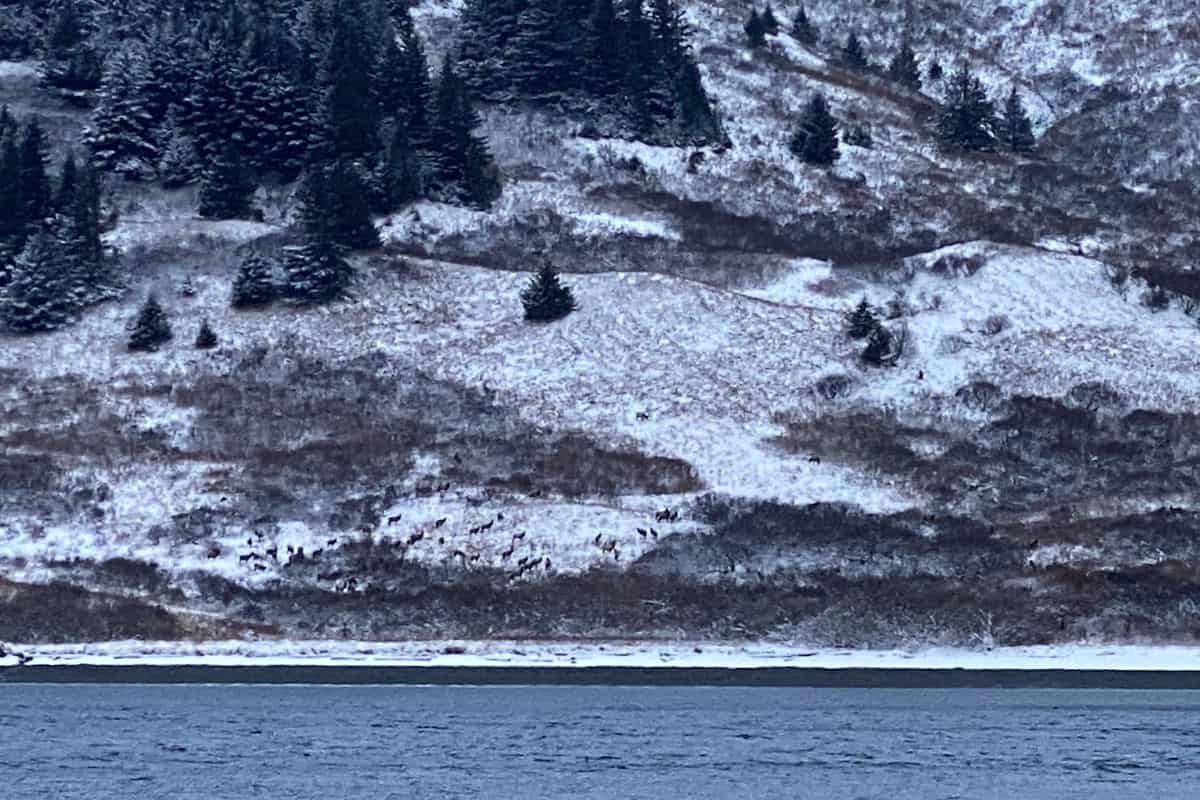
Weather is maritime and shaped by the North Pacific. Wind is common. Rain is not unusual. Snow typically begins accumulating at elevation in November, though timing varies from year to year. By late season, snow depth or cold may significantly influence deer movement, pushing animals toward mid-elevation forest and shoreline habitat.
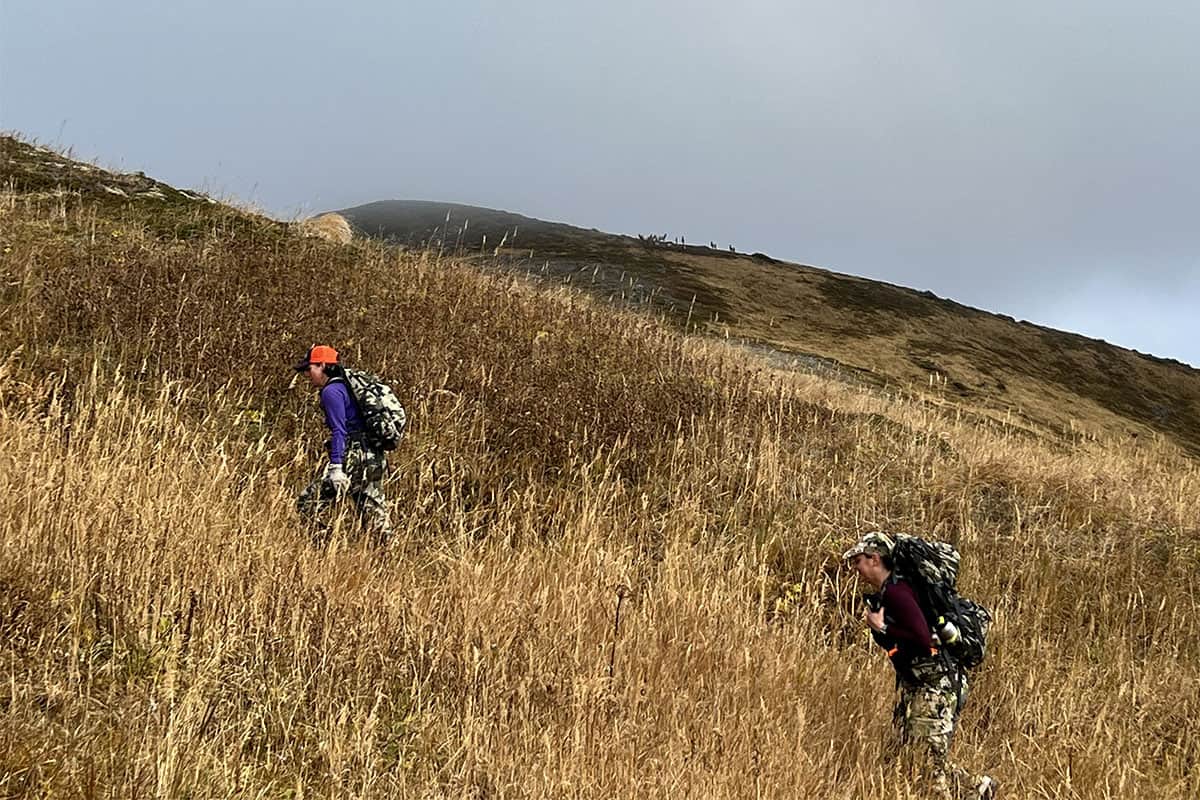
Conditions can shift within a single day. Hunters should be prepared for wet ground, uneven footing, thick brush, and variable visibility. This is coastal Alaska — dynamic, weather-driven, and unfiltered.
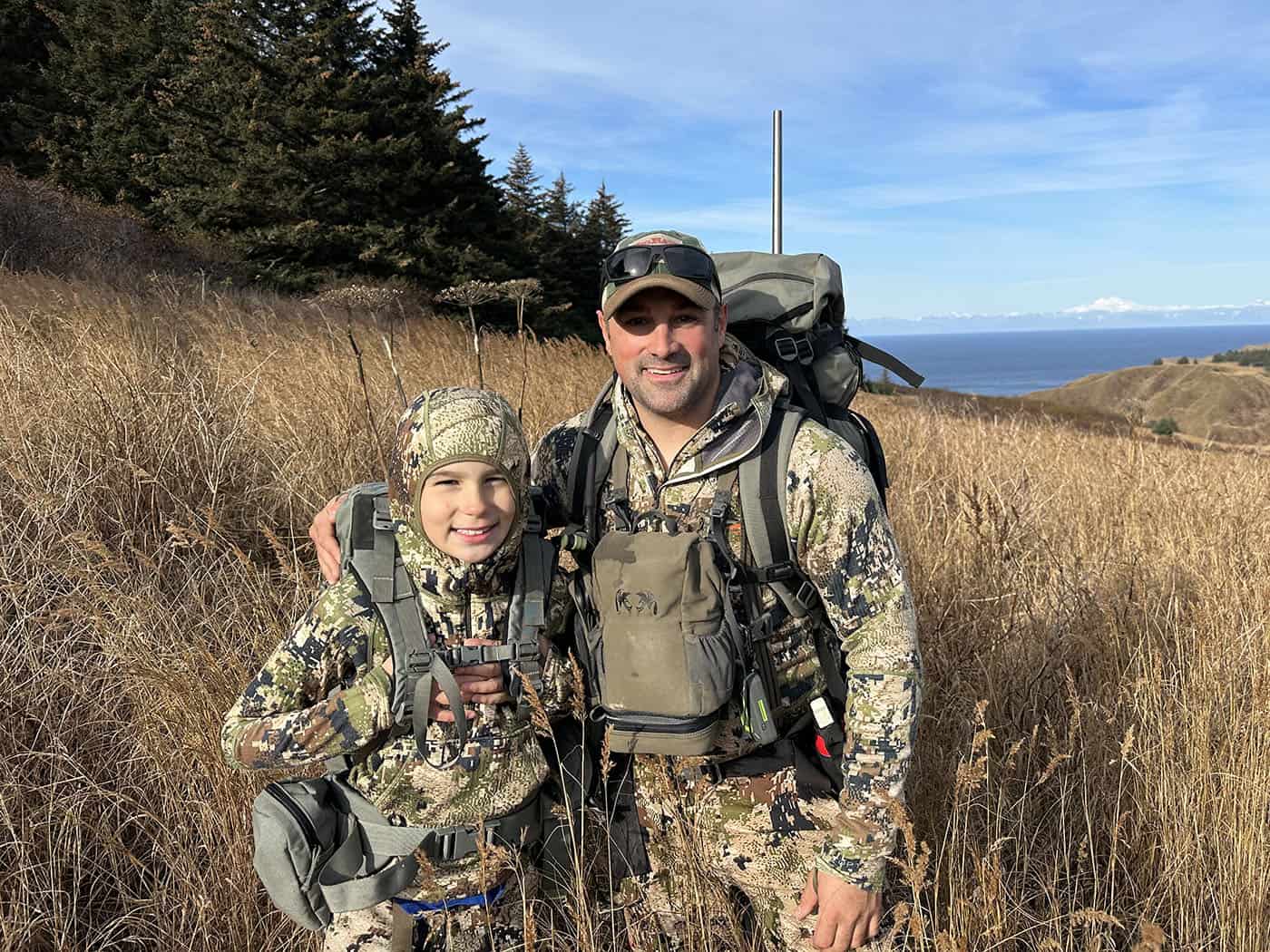
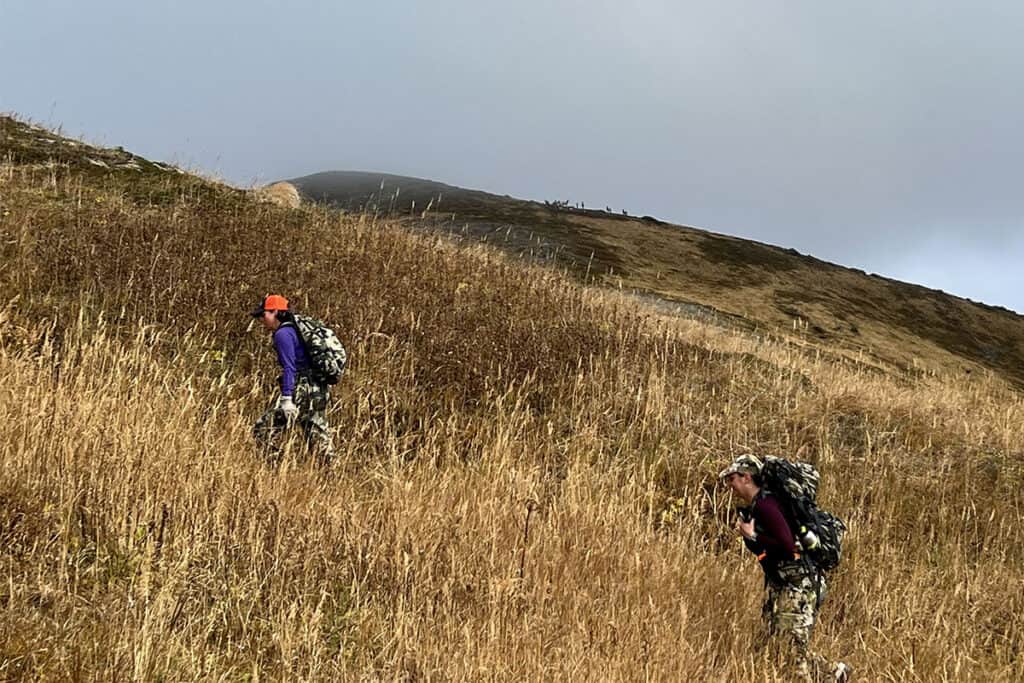
This is hard country to hunt — very hard. The folks who hunt here, including Birch and Tiffany, are typically exhausted by day’s end. The ability to do it, and the opportunity to harvest one of these truly wild animals, is earned. We compliment our hunters, whether an animal is down or not, on the accomplishment of hunting here. No one can truly understand or visualize what it is like until they do it.
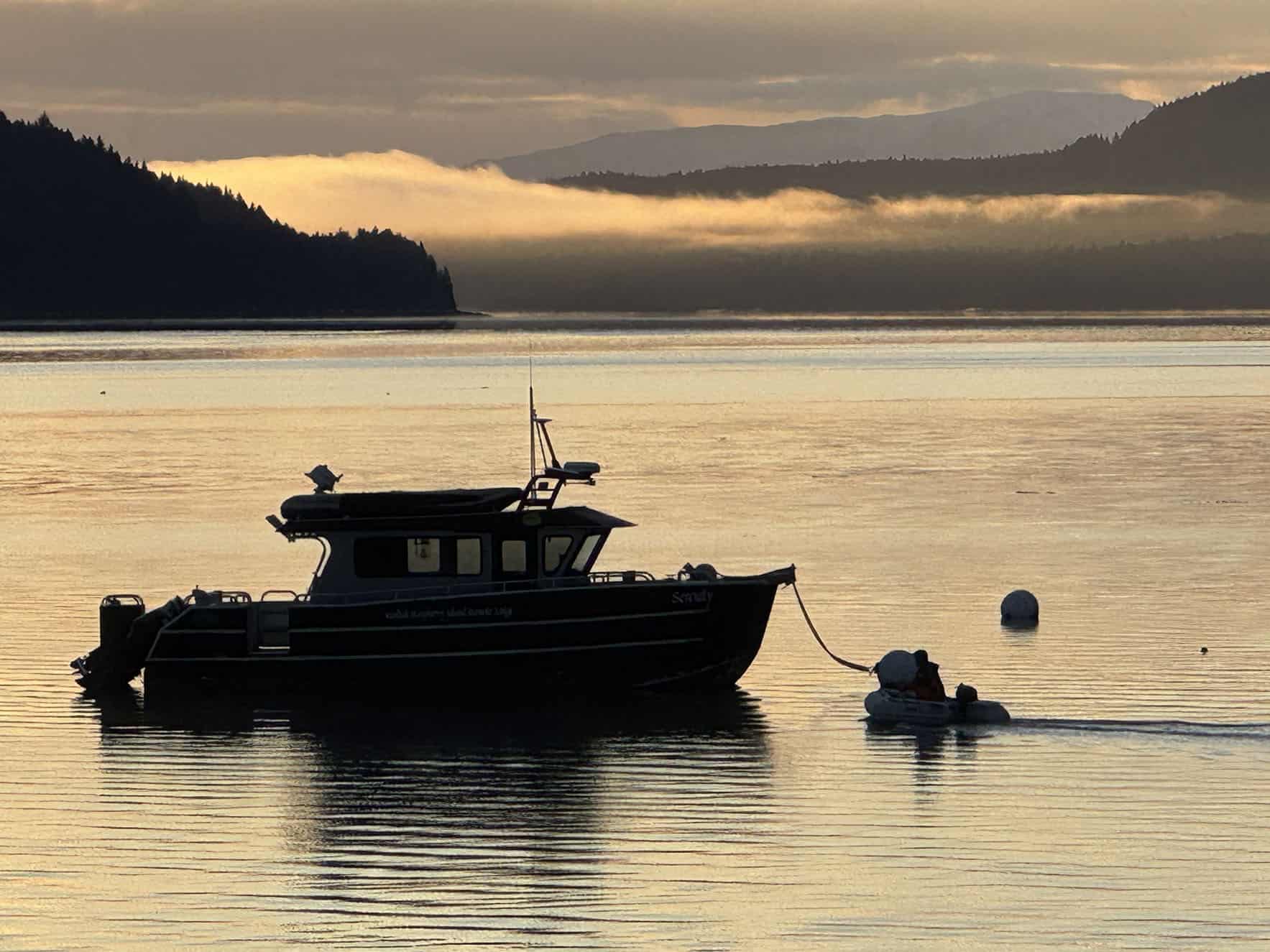
Regardless, we’ll meet you on the beach at the end of the day and bring you home to a cold beer, a hot shower, a hot meal, and a soft, warm bed.
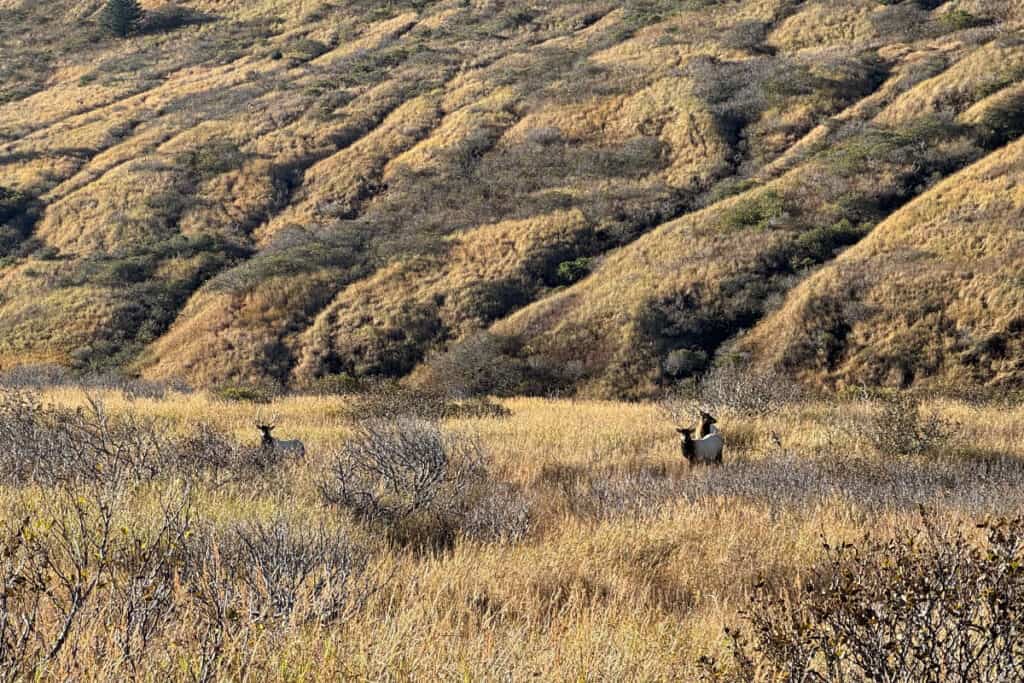
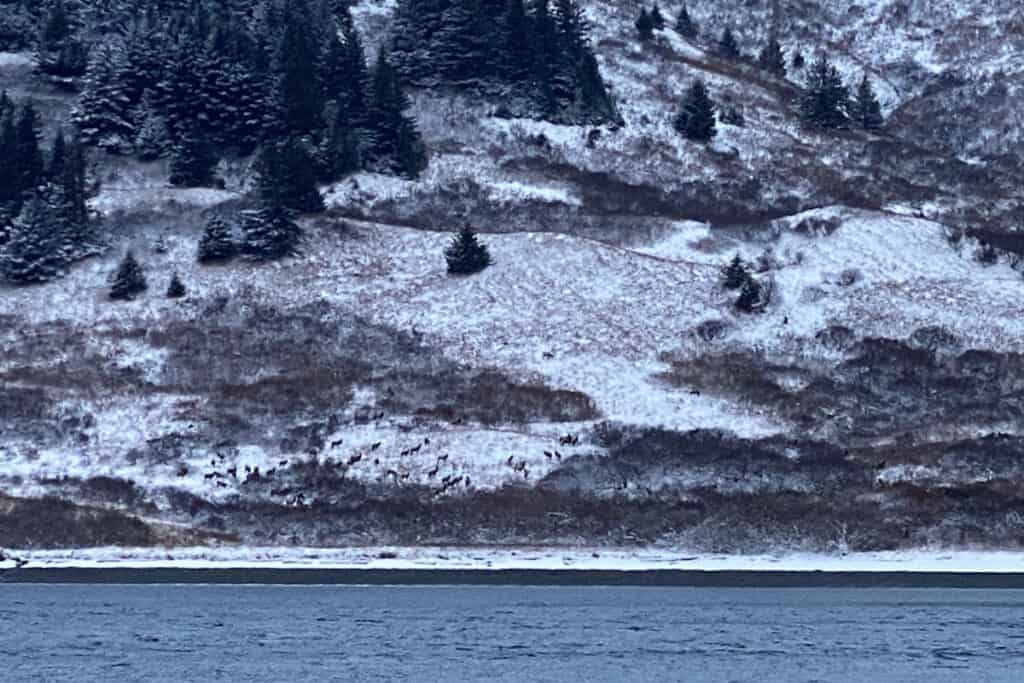
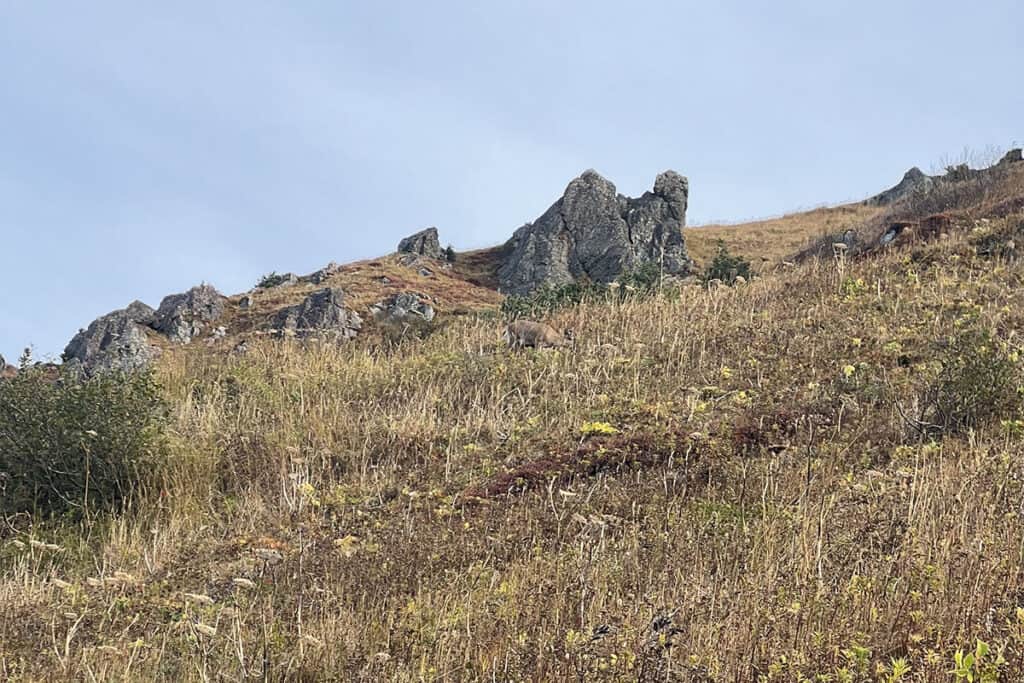
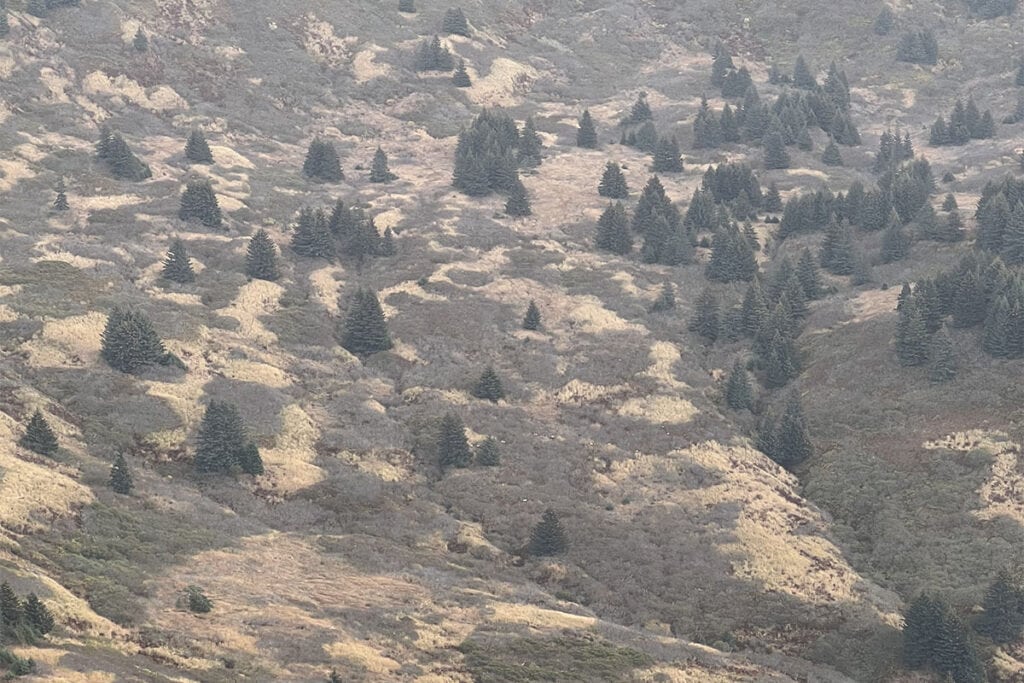
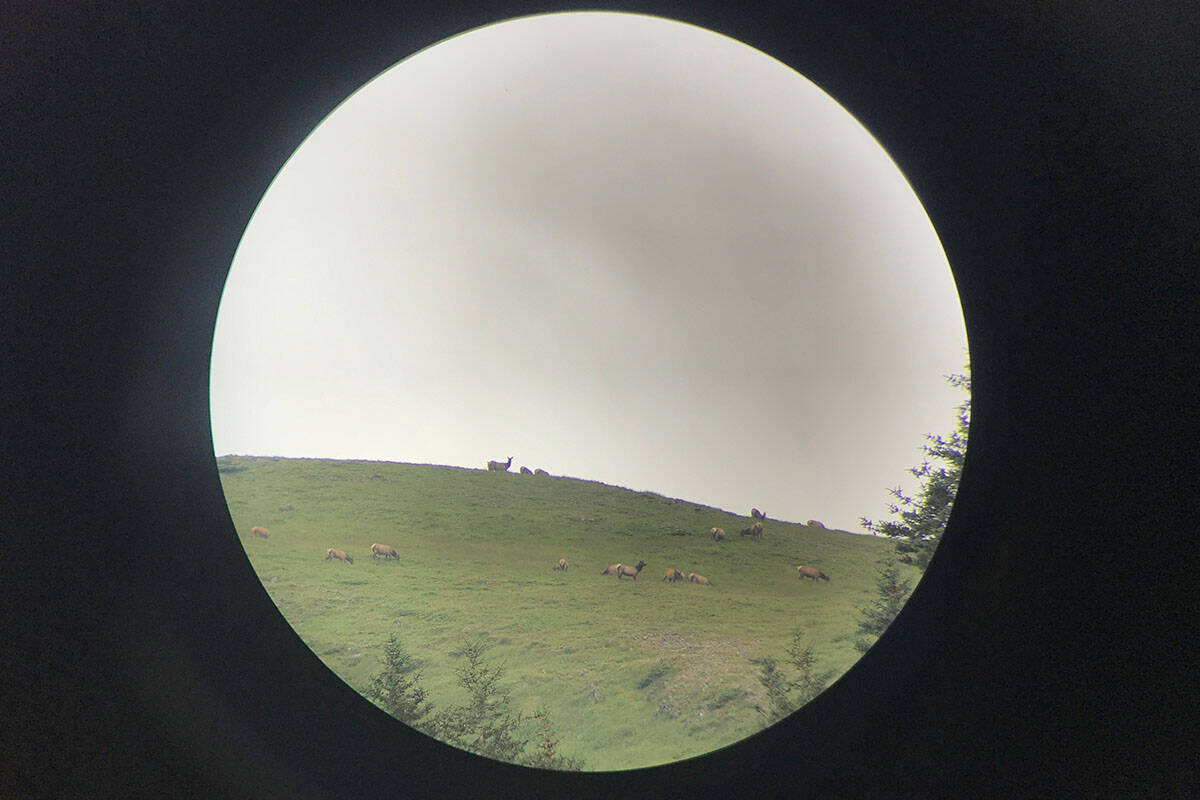
Stacee and Jack K., AK
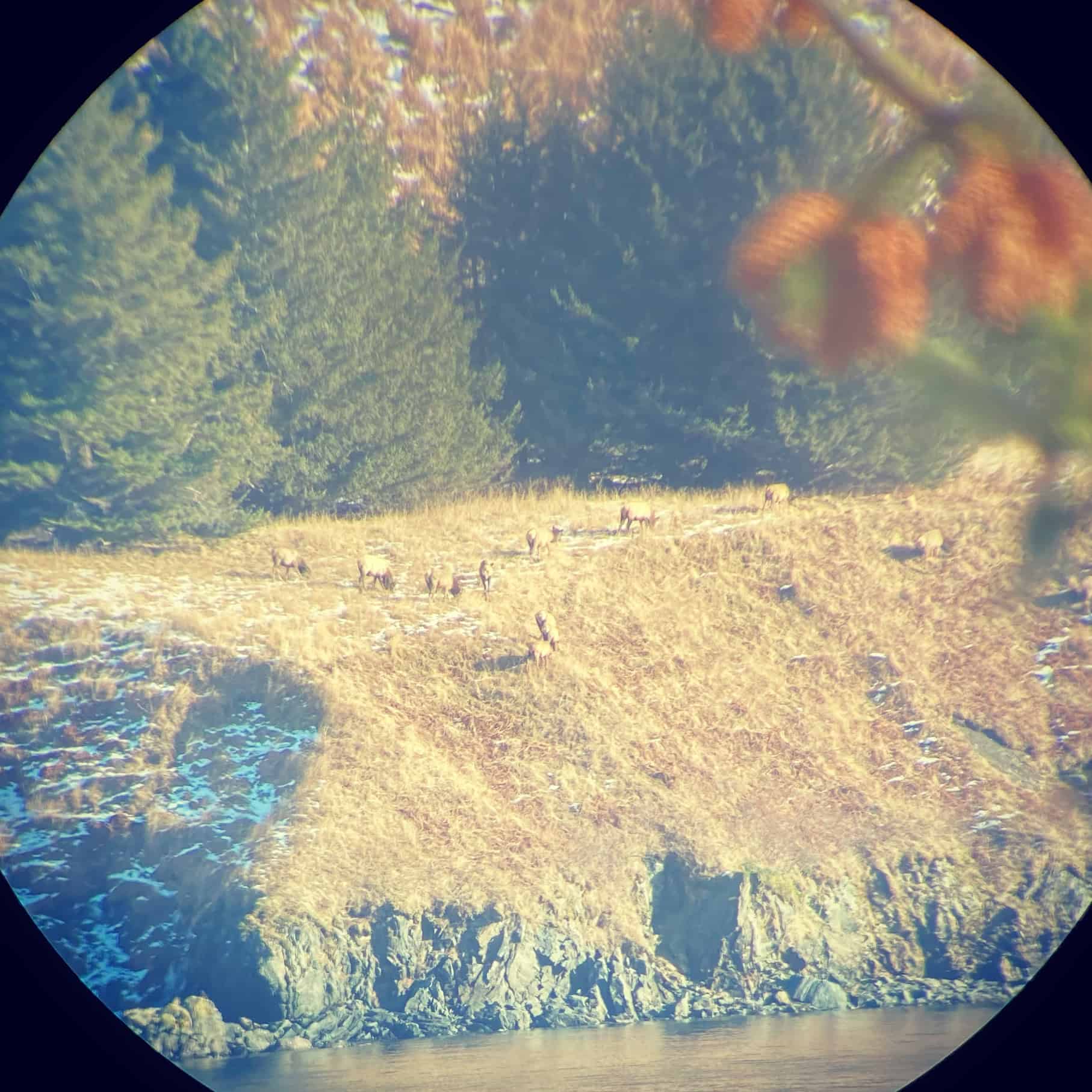
Elk Hunting
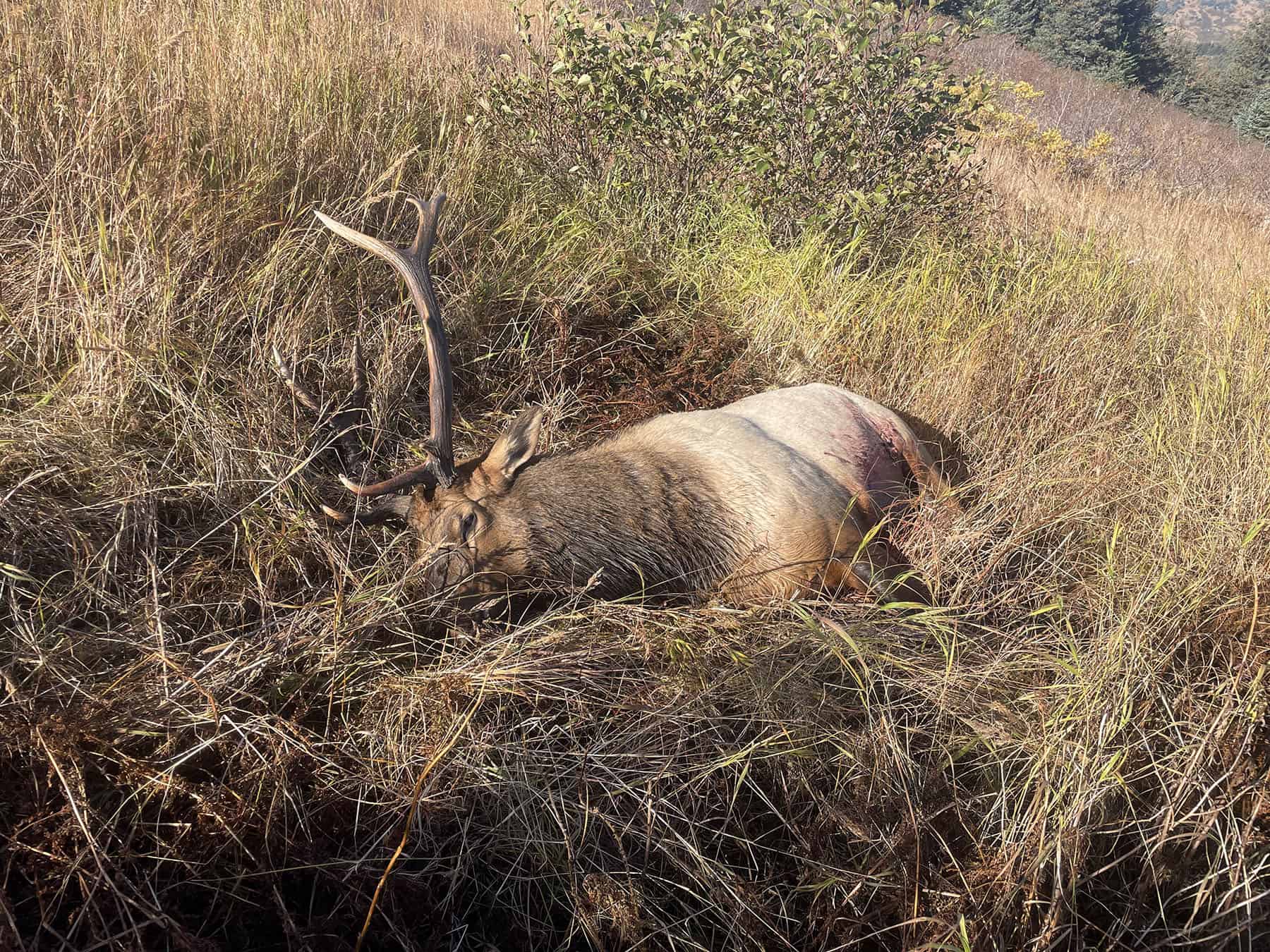
Roosevelt elk hunting in remote, boat-accessed wilderness on Raspberry and Southwest Afognak Islands, featuring steep terrain, alpine ridges, and physically demanding fair-chase hunting.