
Hunting Roosevelt Elk

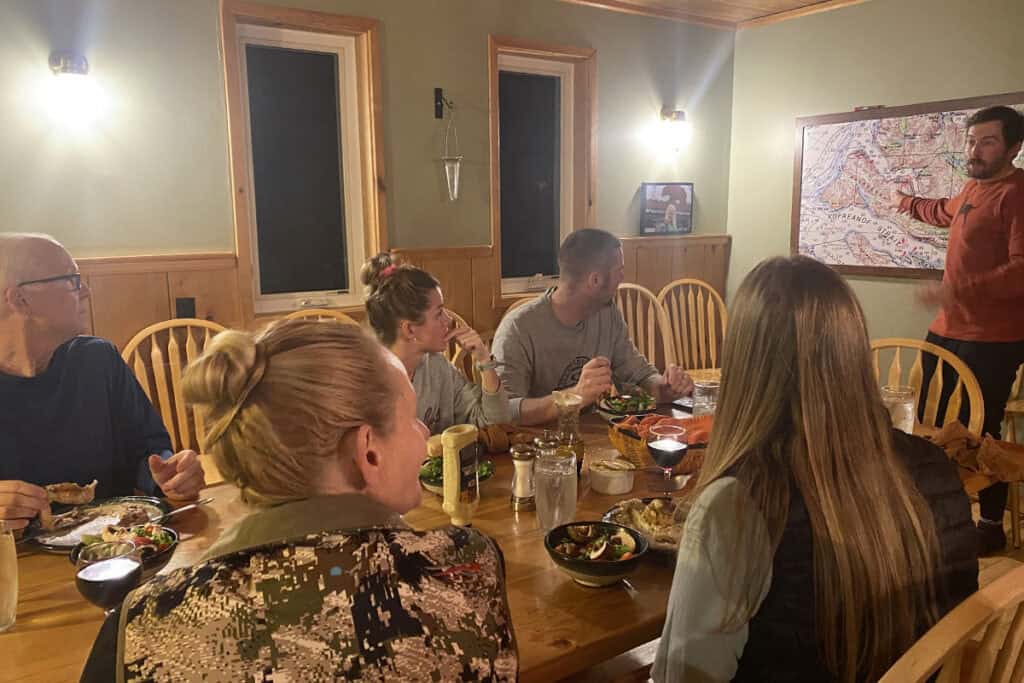
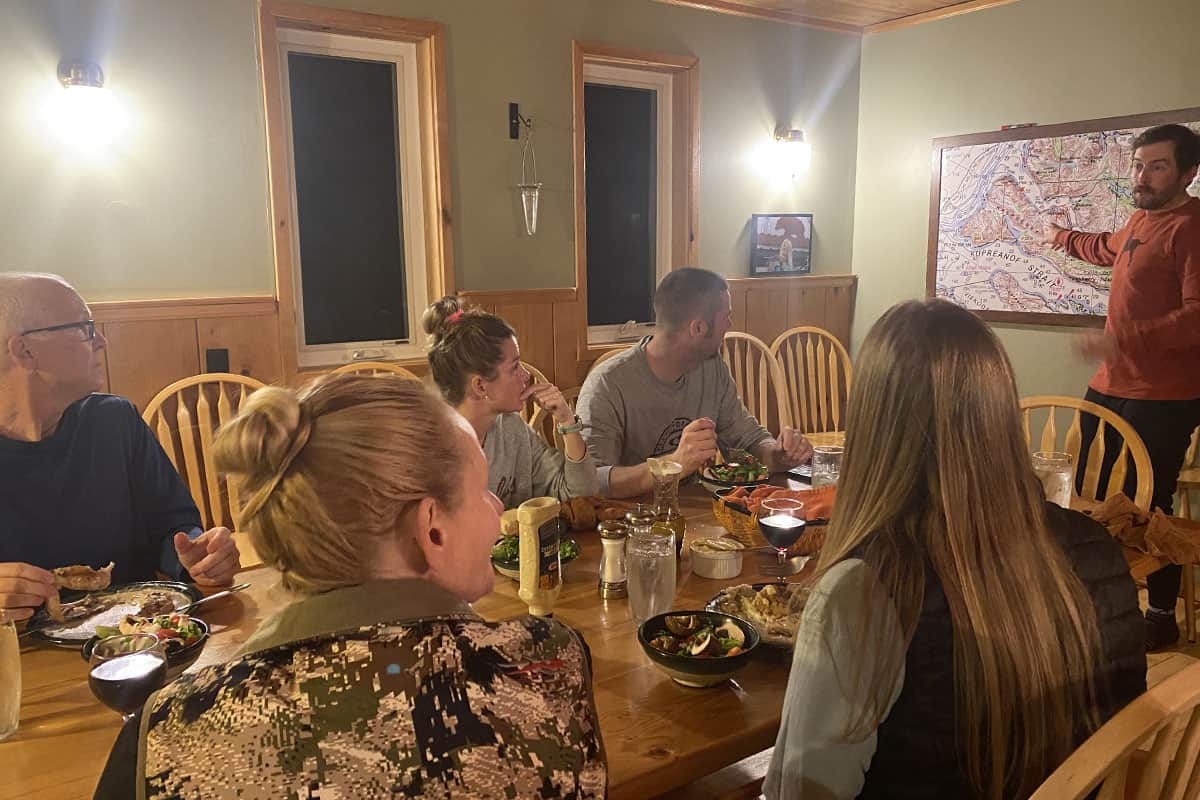
on Raspberry and Southwest Afognak Islands can be a genuine pleasure. Each day begins with a review of conditions — weather, wind, and the previous day’s observations shared around the lodge the night before — guiding the selection of access points throughout Raspberry Strait.
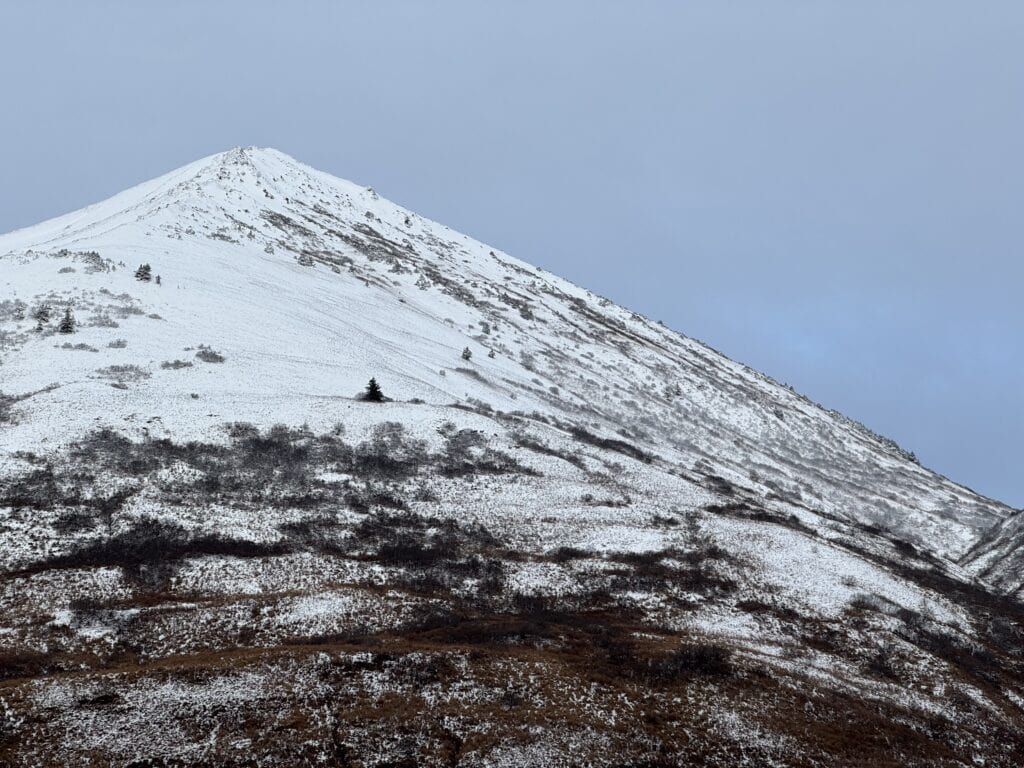
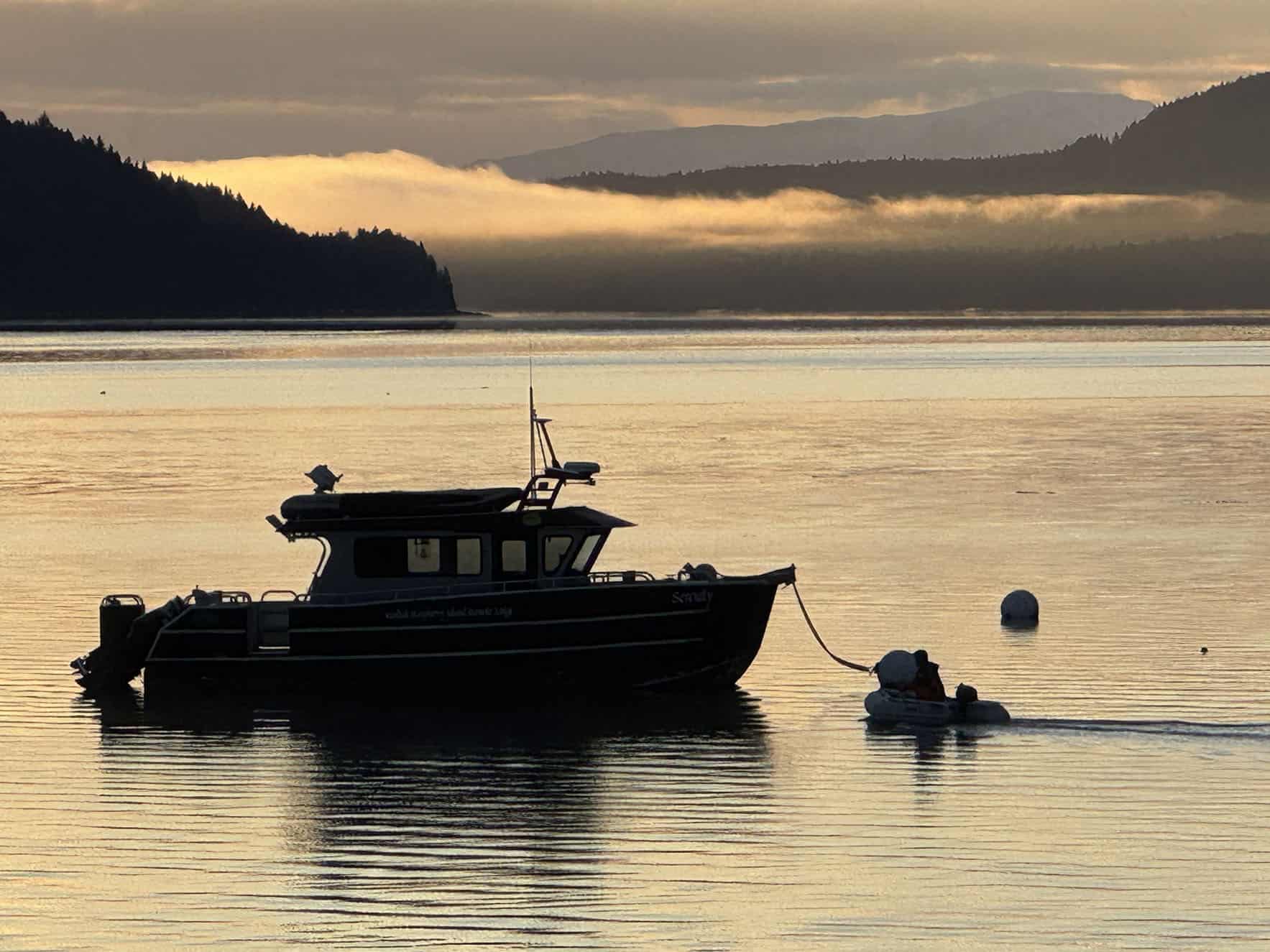
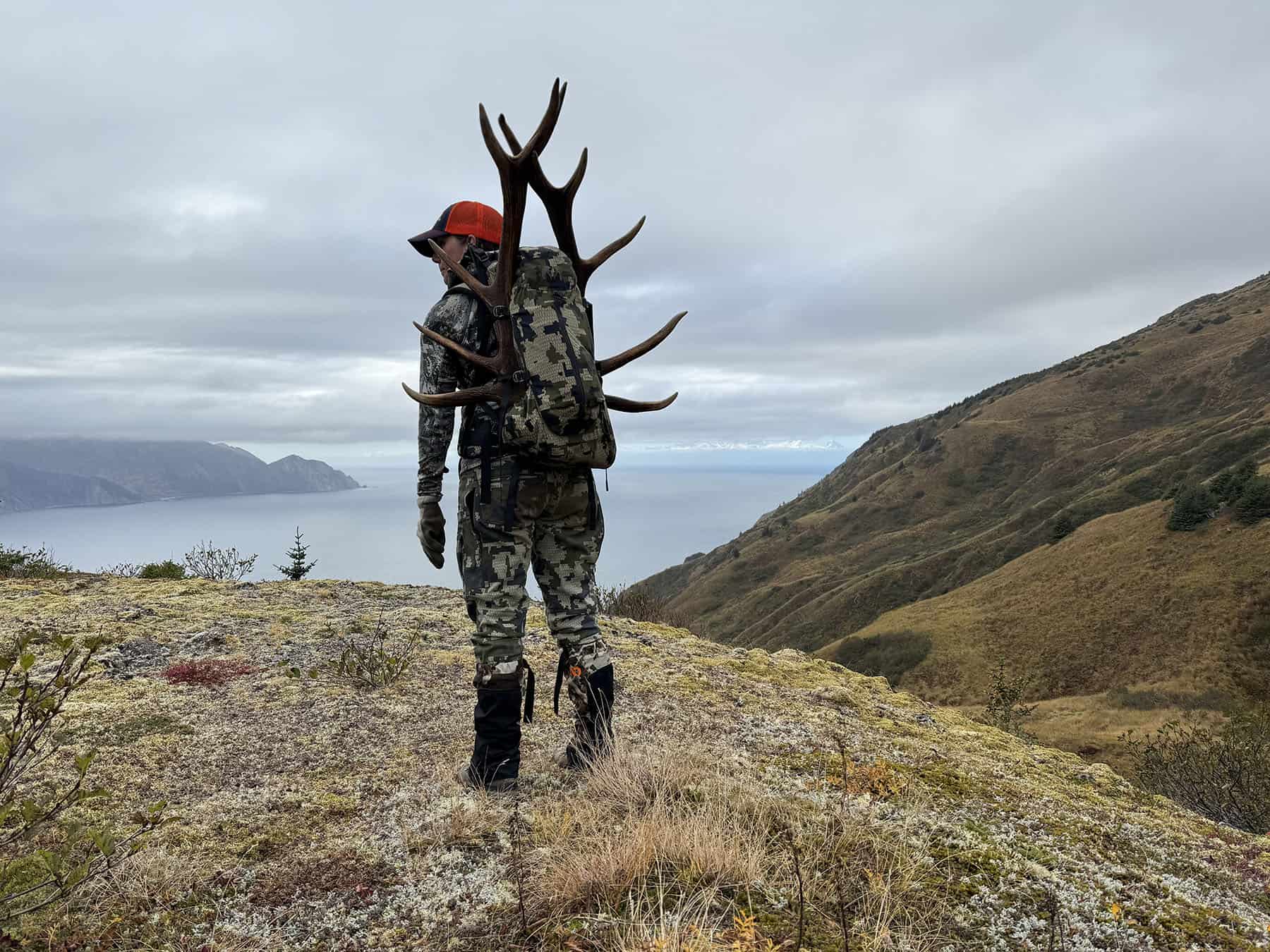
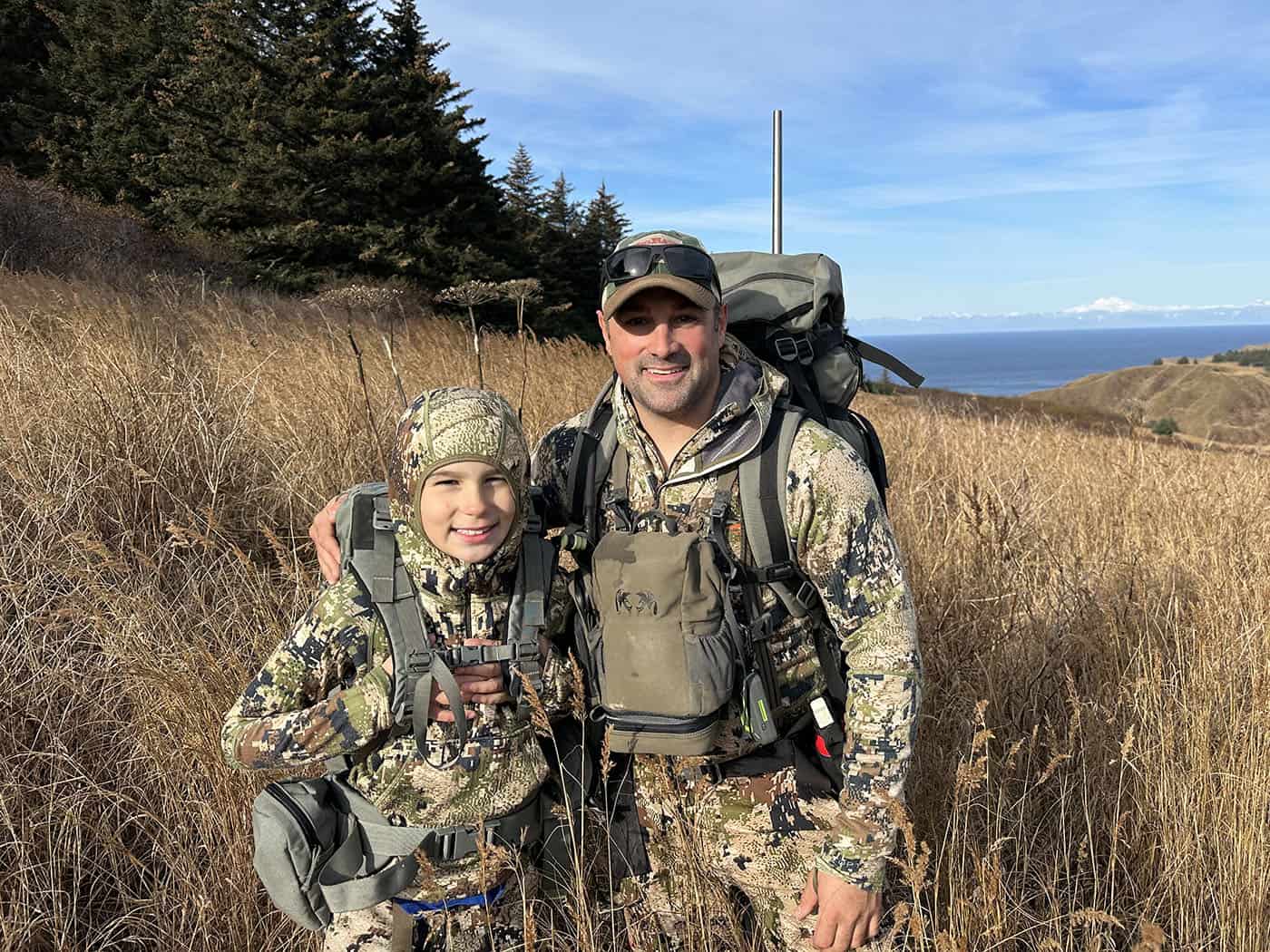
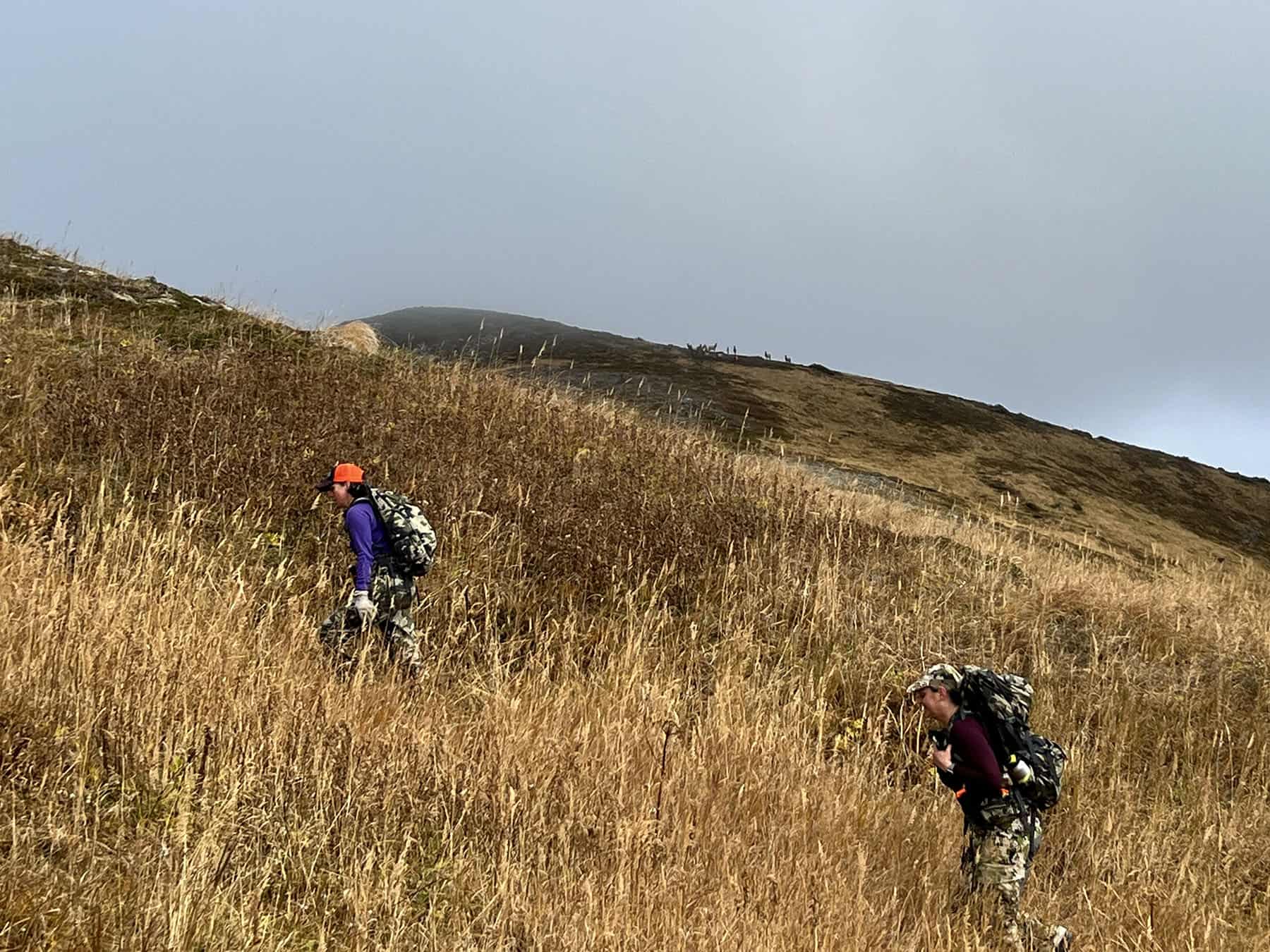
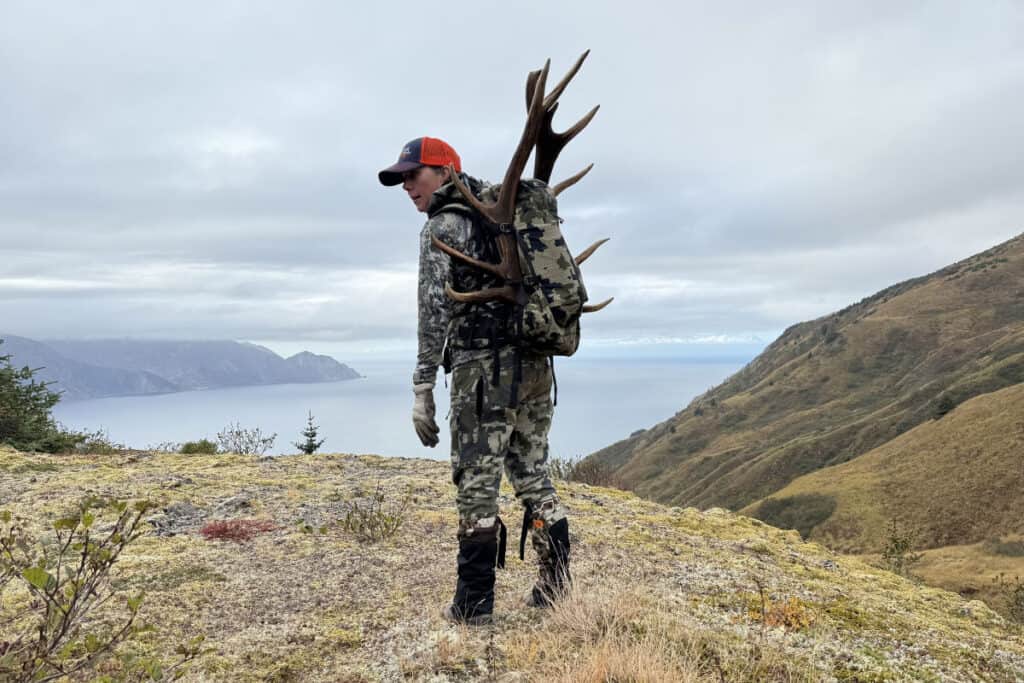
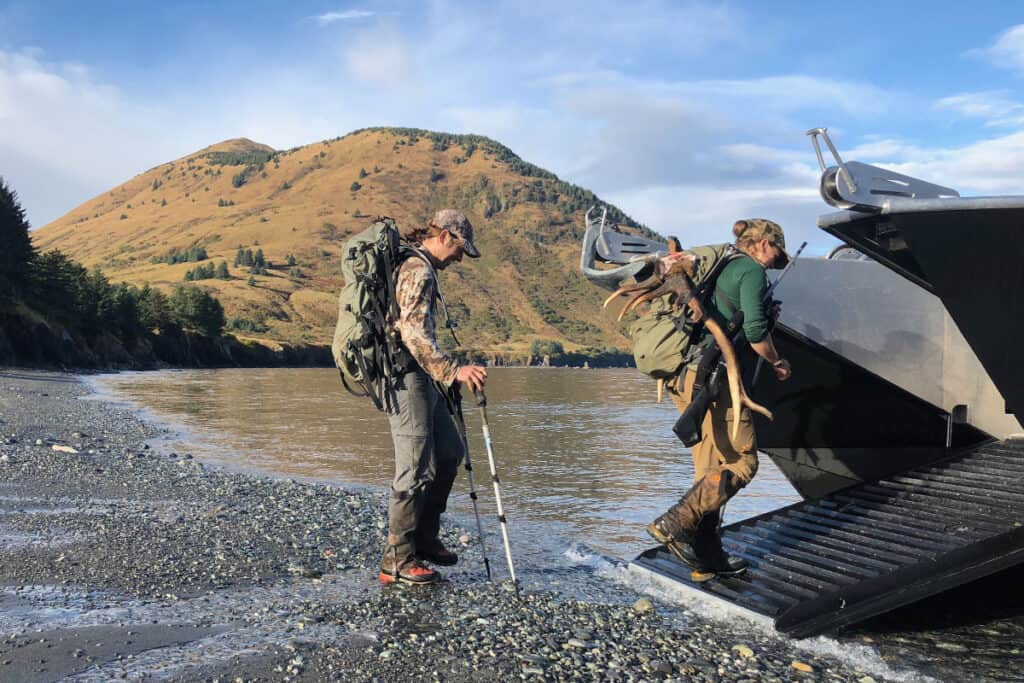
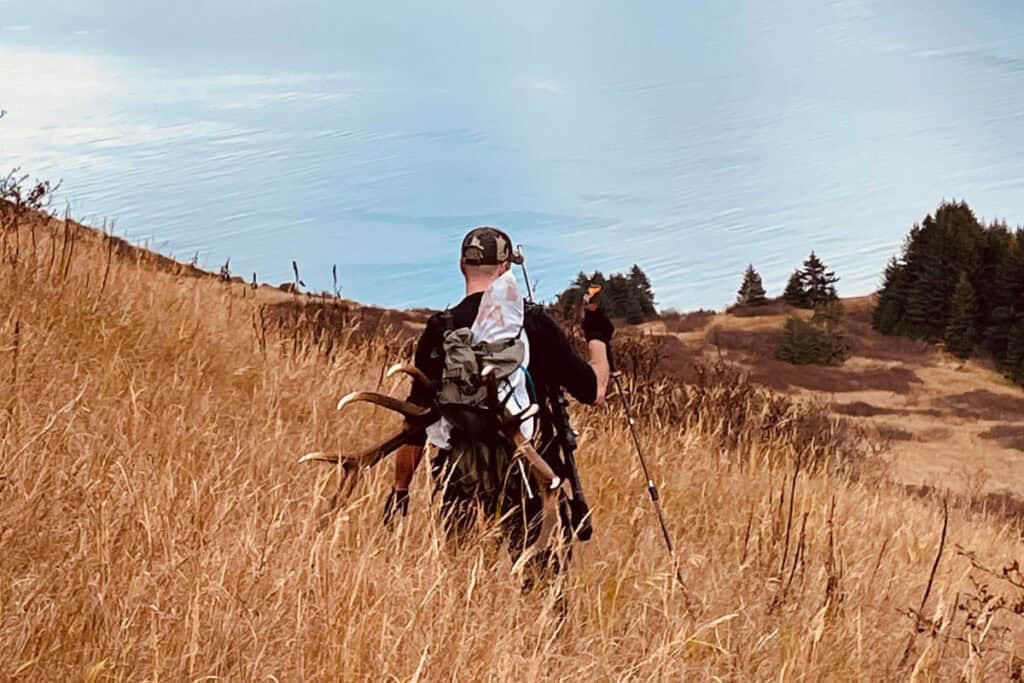
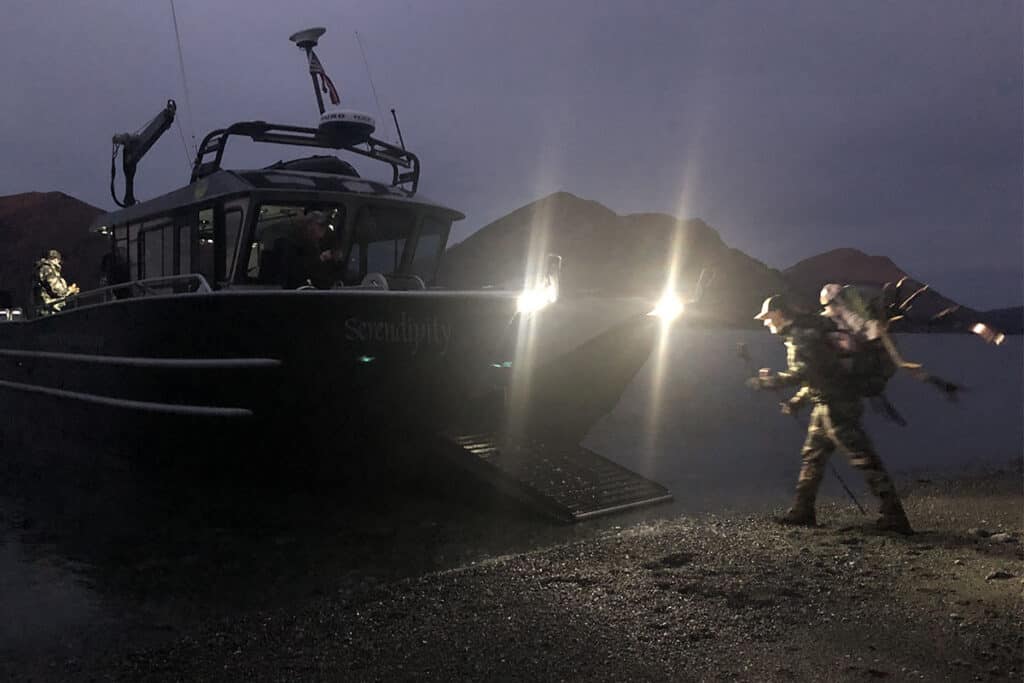
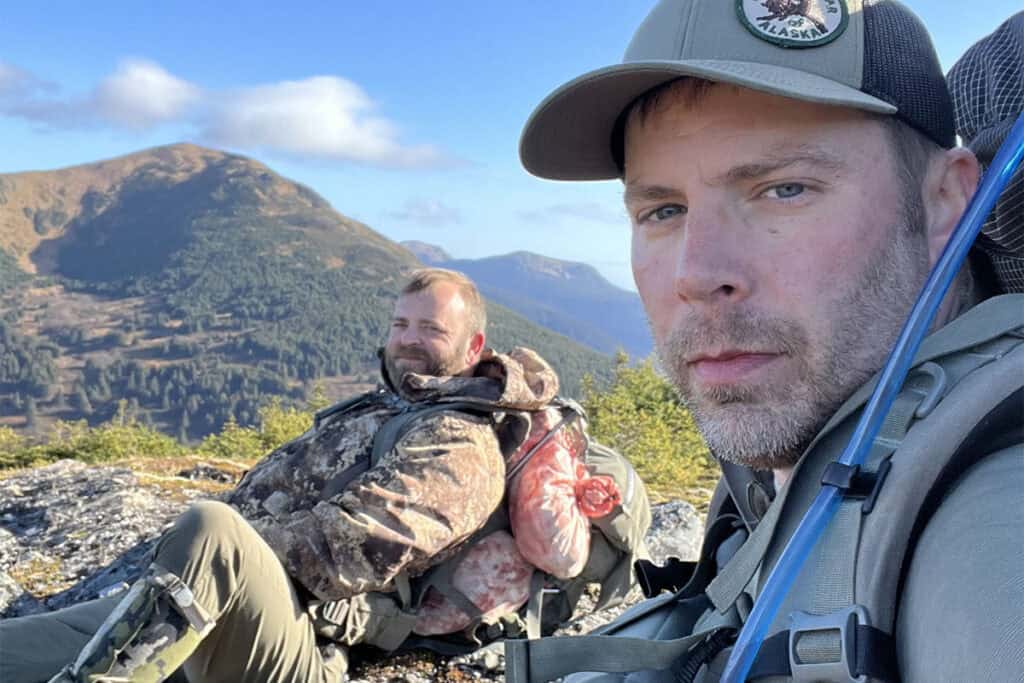
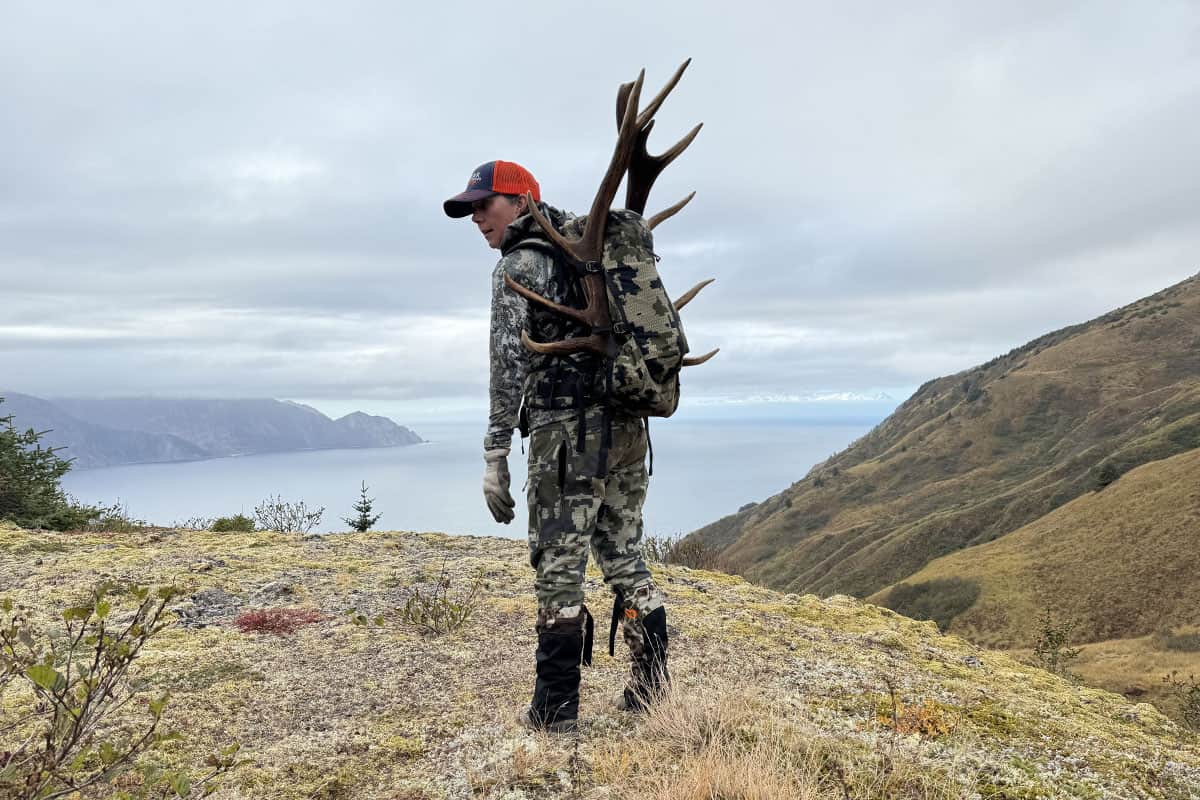
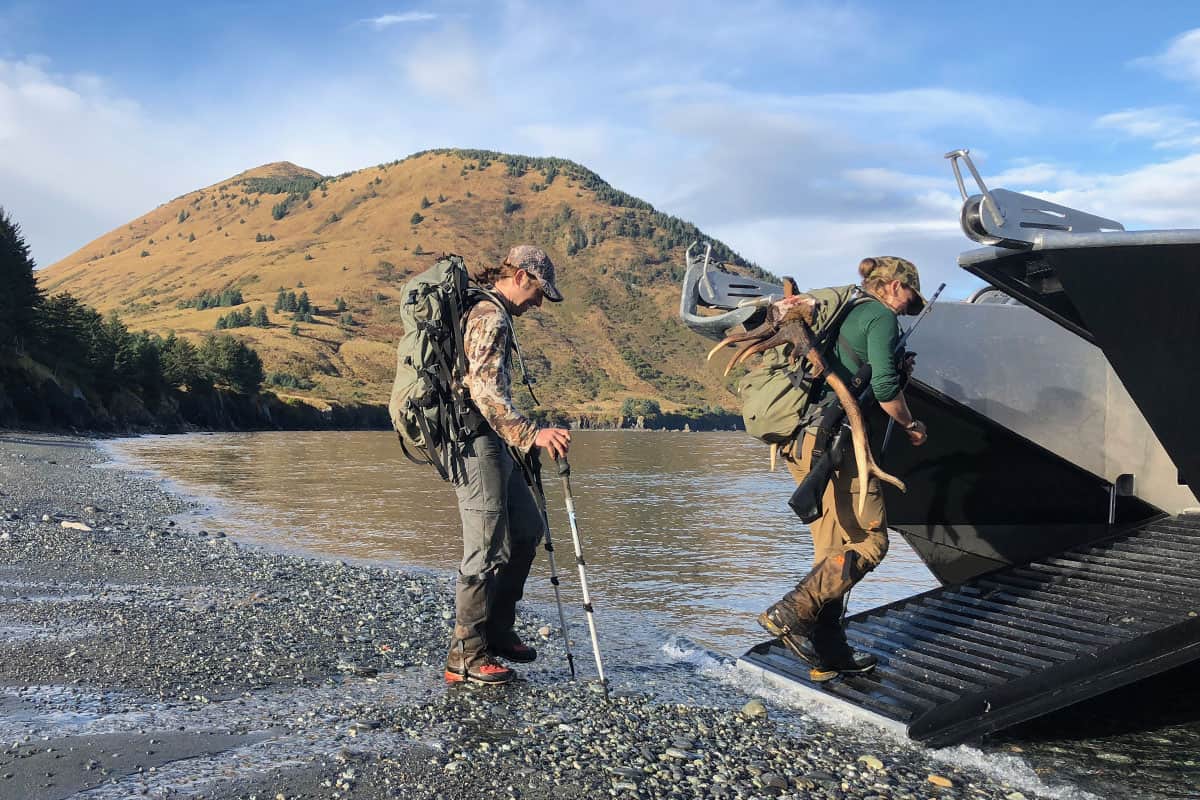
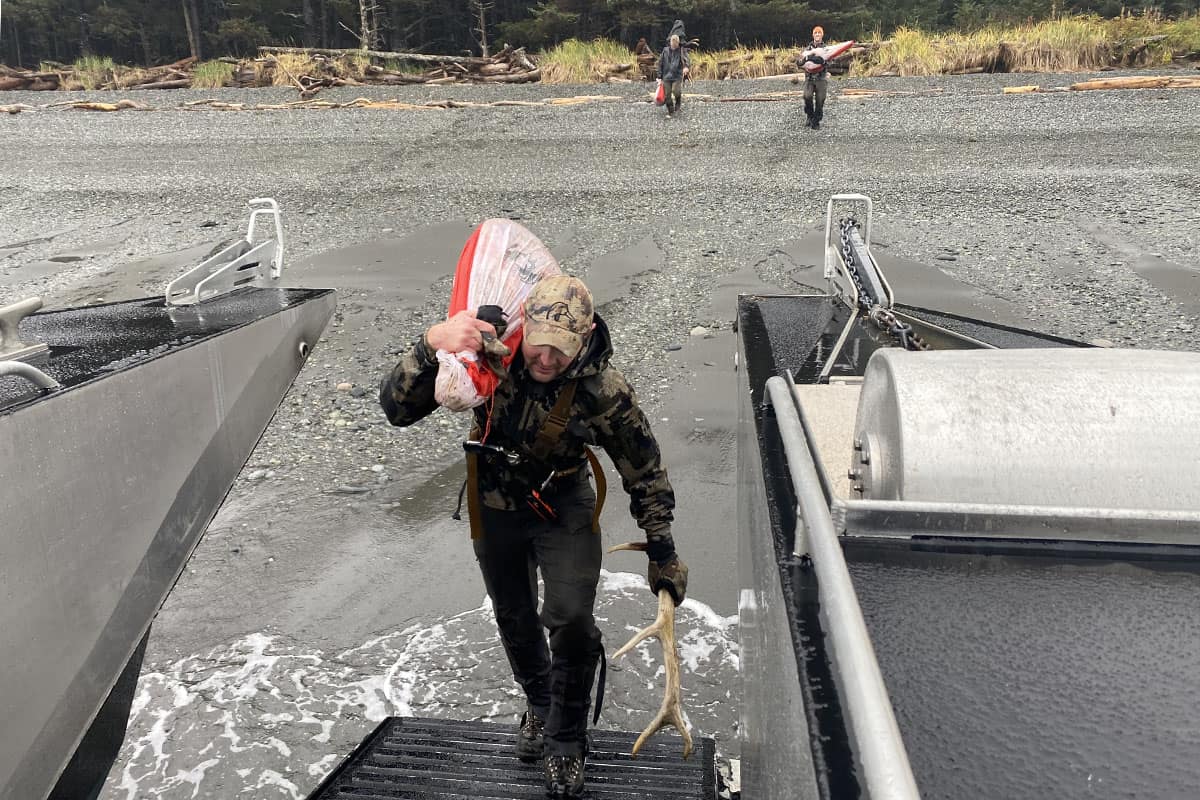
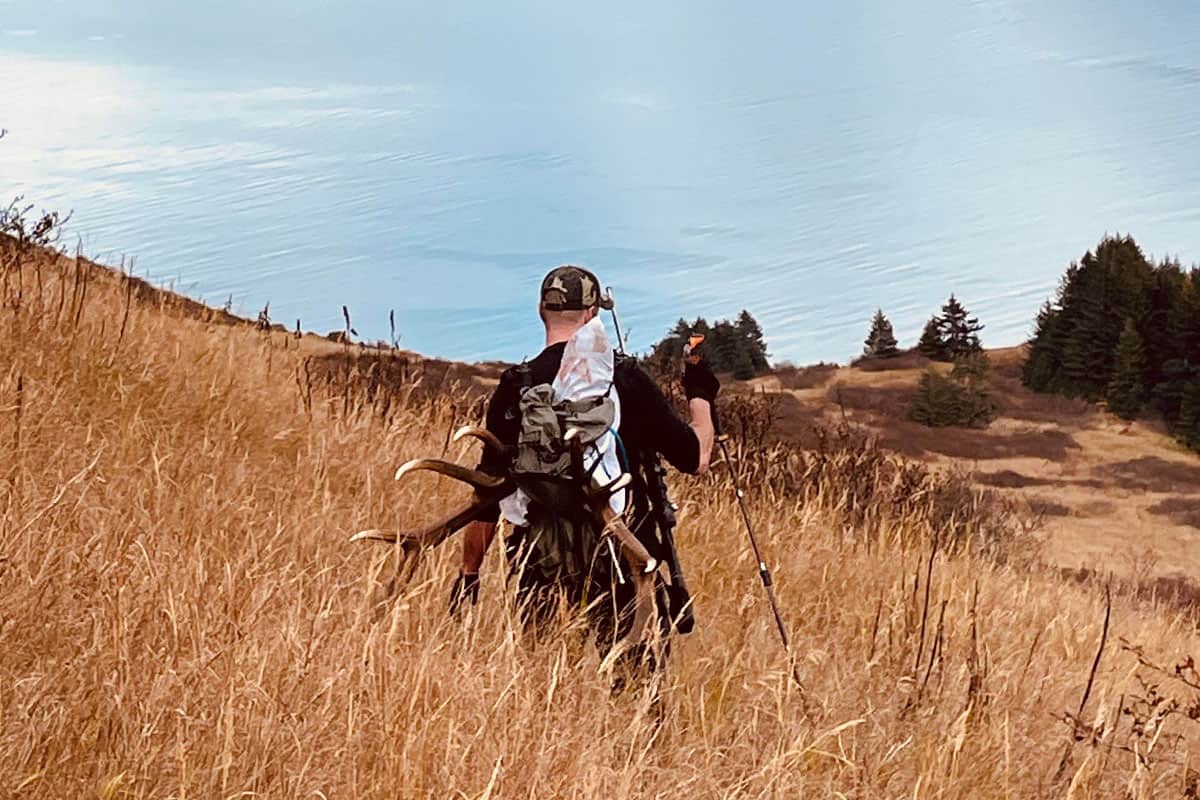
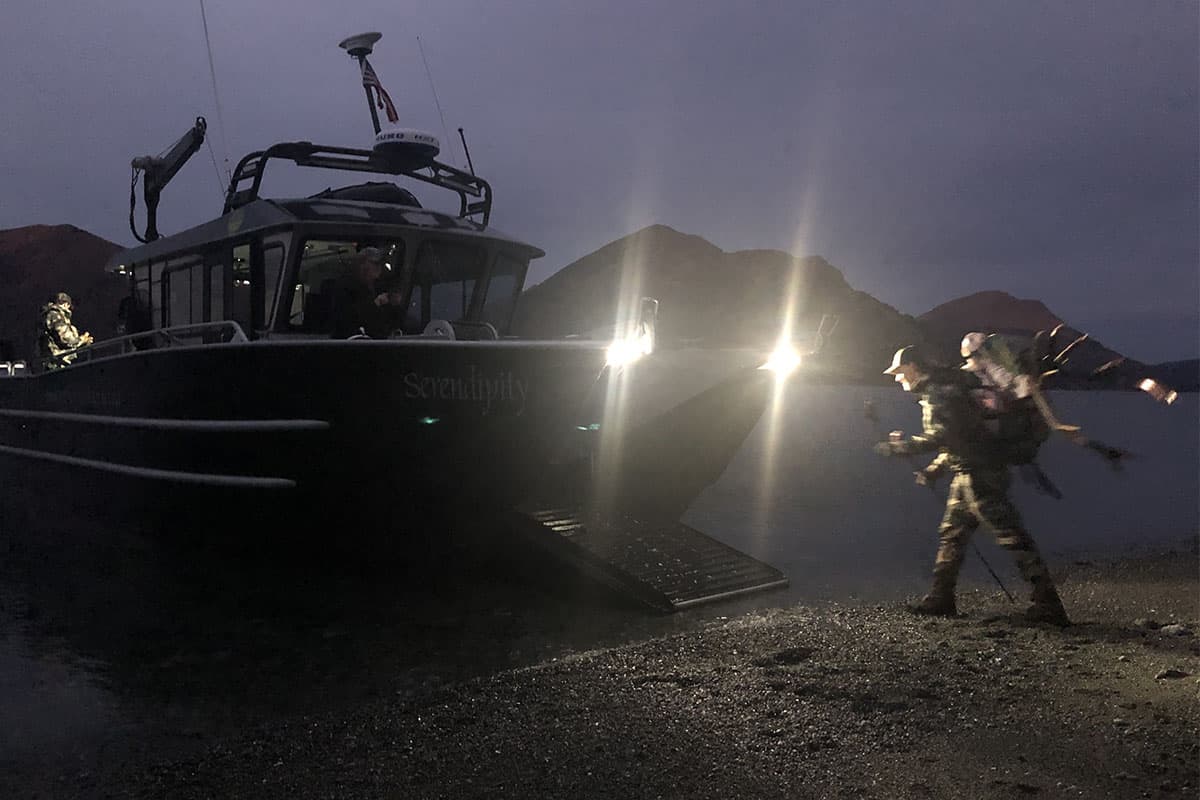
At first light, we step aboard our transport boat and move deliberately to those locations. From the beach, hunters move into the country they’ve chosen, often gaining elevation to reach ridgelines where travel improves and the landscape opens. Below, alder, salmonberry thickets, and wet ground can slow progress; higher on the mountain, the hunt becomes one of observation as much as movement.
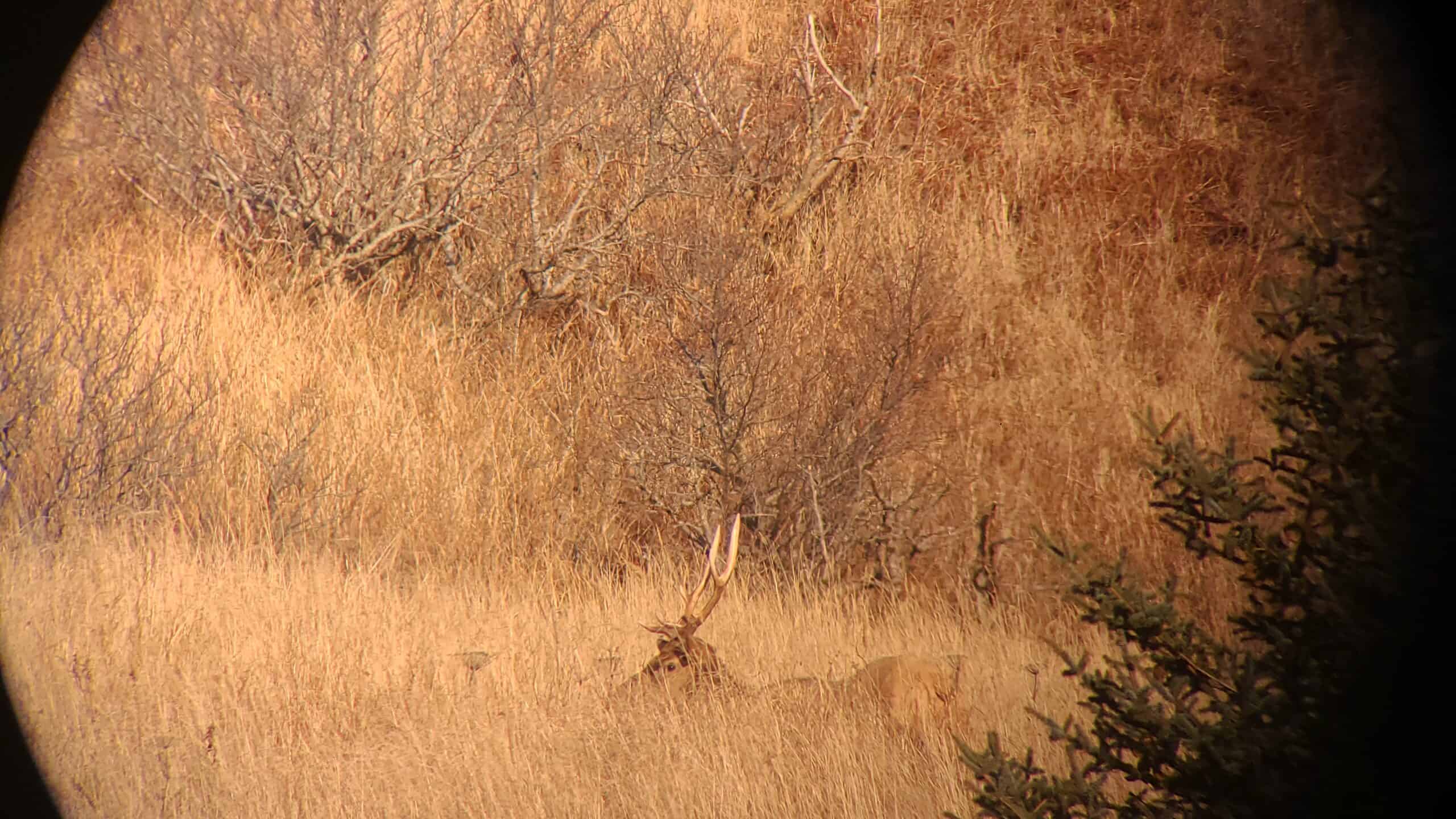
The rhythm is simple: climb, glass, and move. Herd animals, Elk may be more obvious than deer, however, it is not uncommon to spot a lone cow seemingly alone, with the rest of the herd concealed behind brush or bedded down.
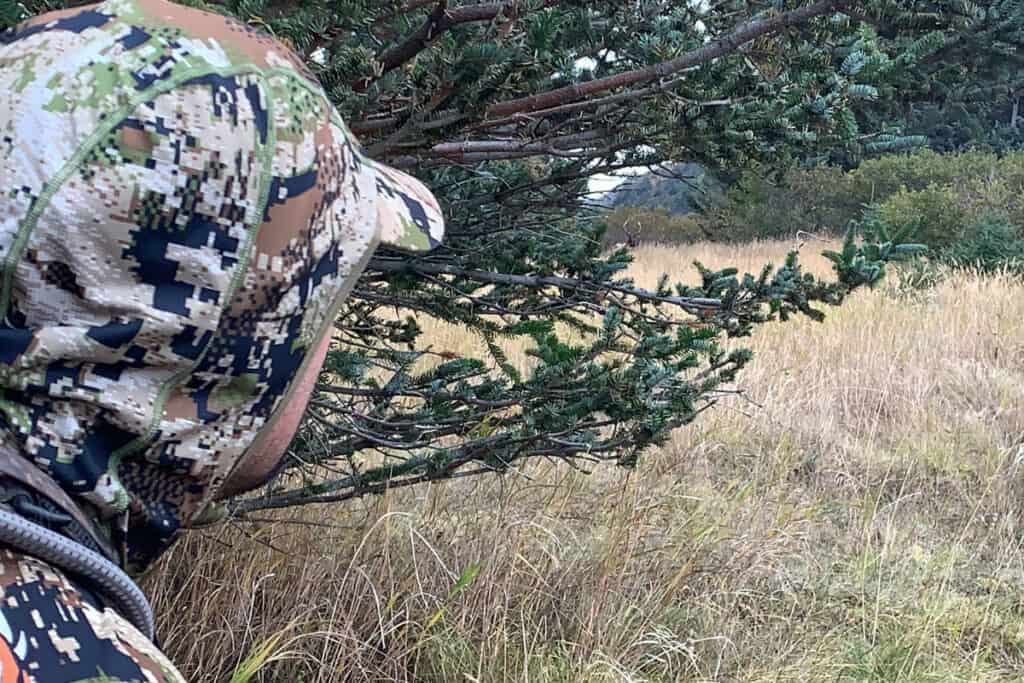
Wind and weather shape each decision. Elk rely heavily on scent, and even small mistakes can empty a valley. Hunting into the wind is essential, though it shifts with terrain and time of day.
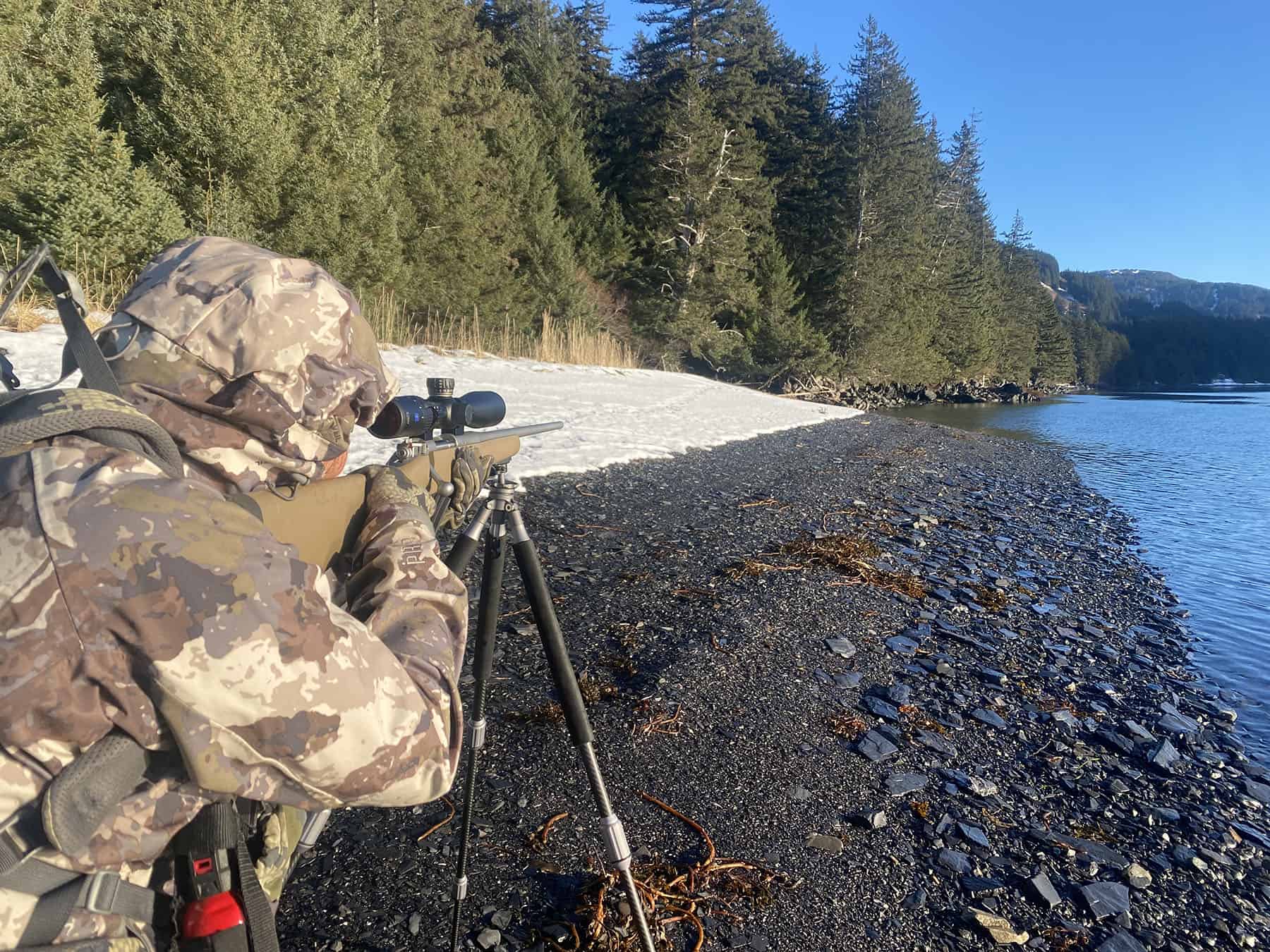
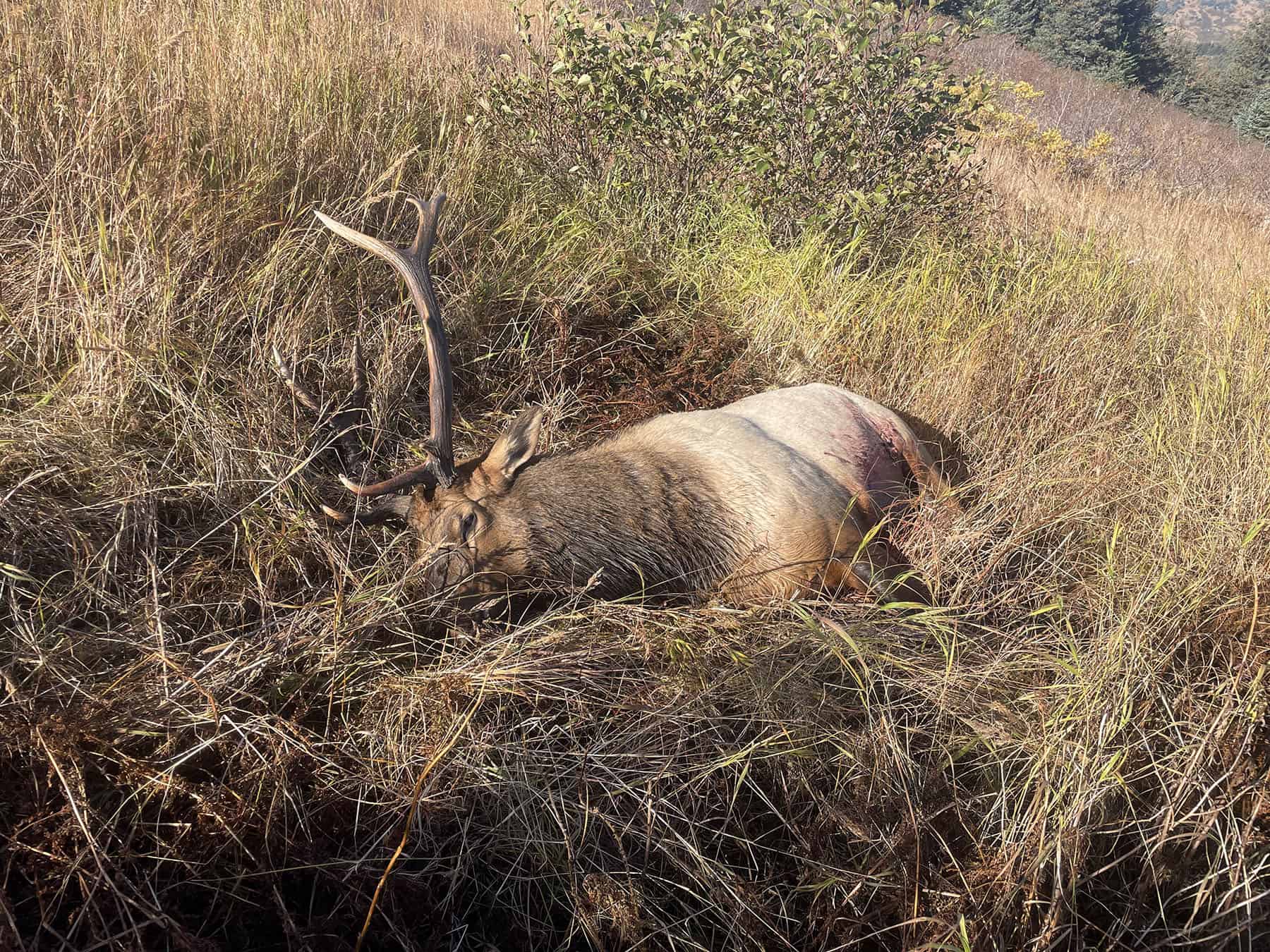
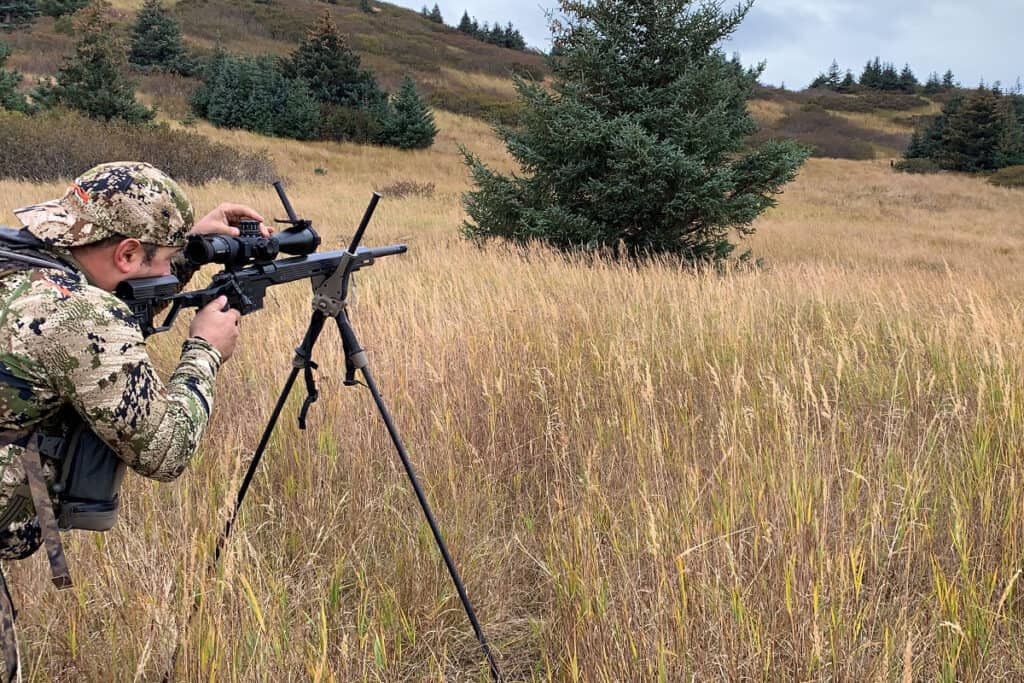
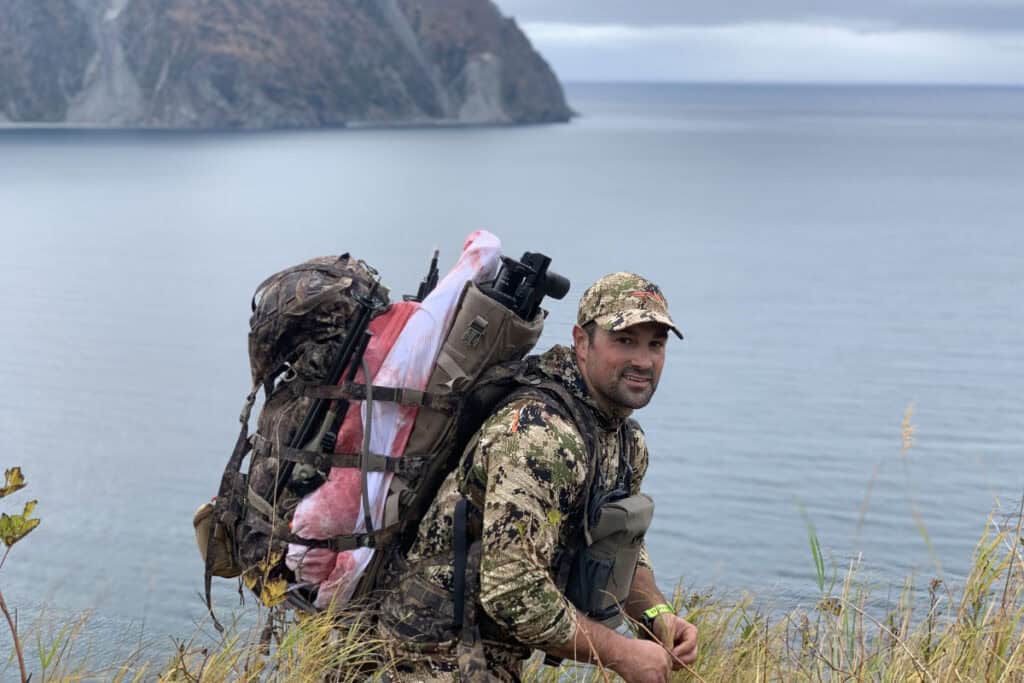
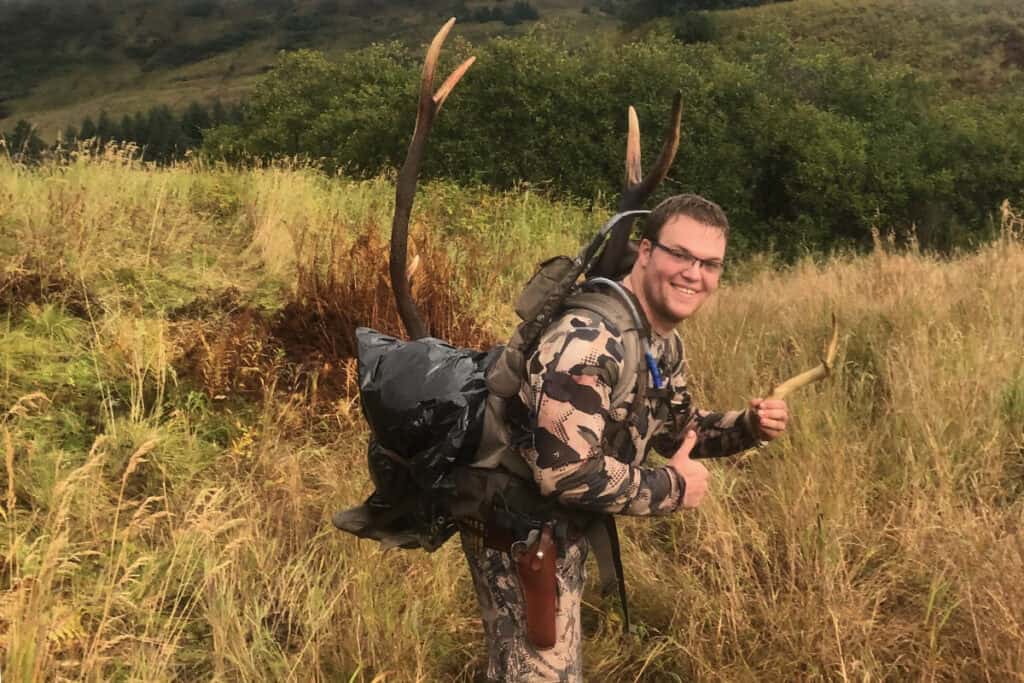
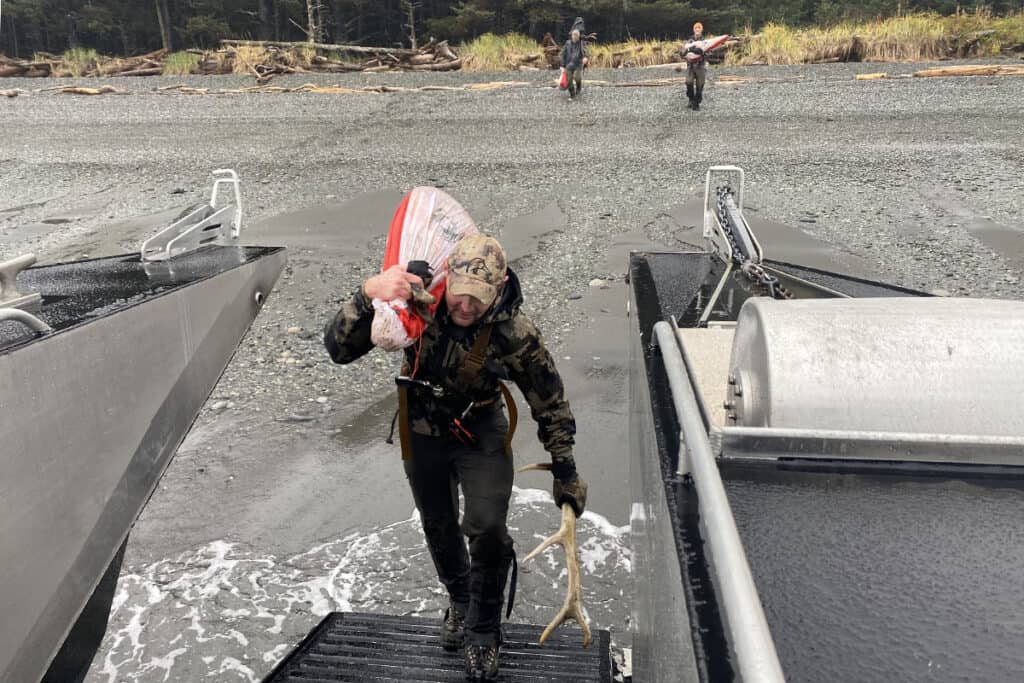
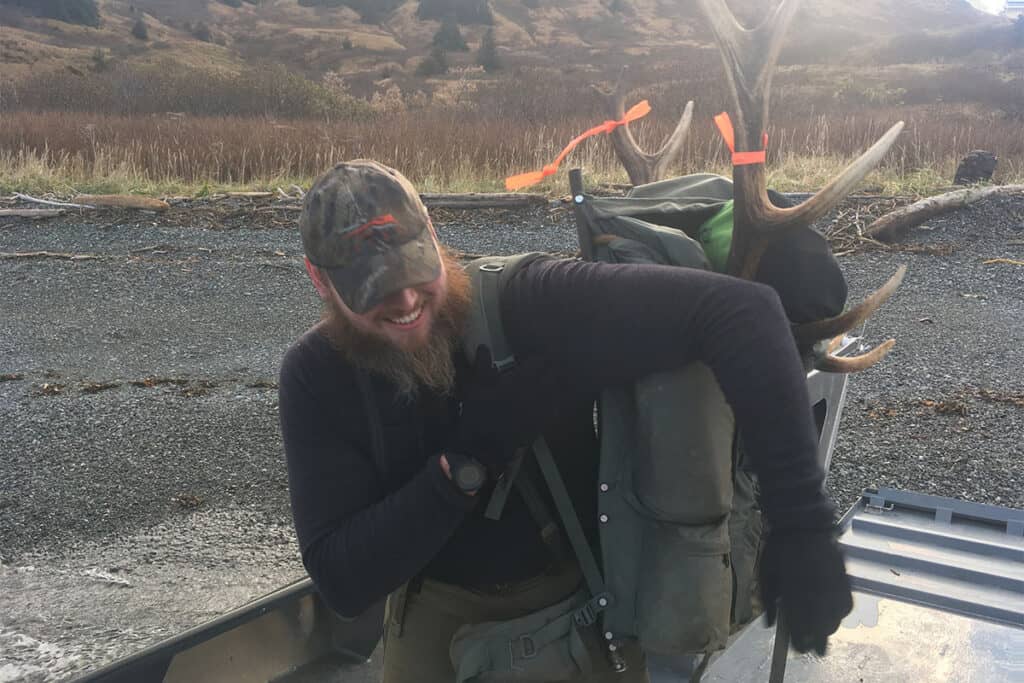
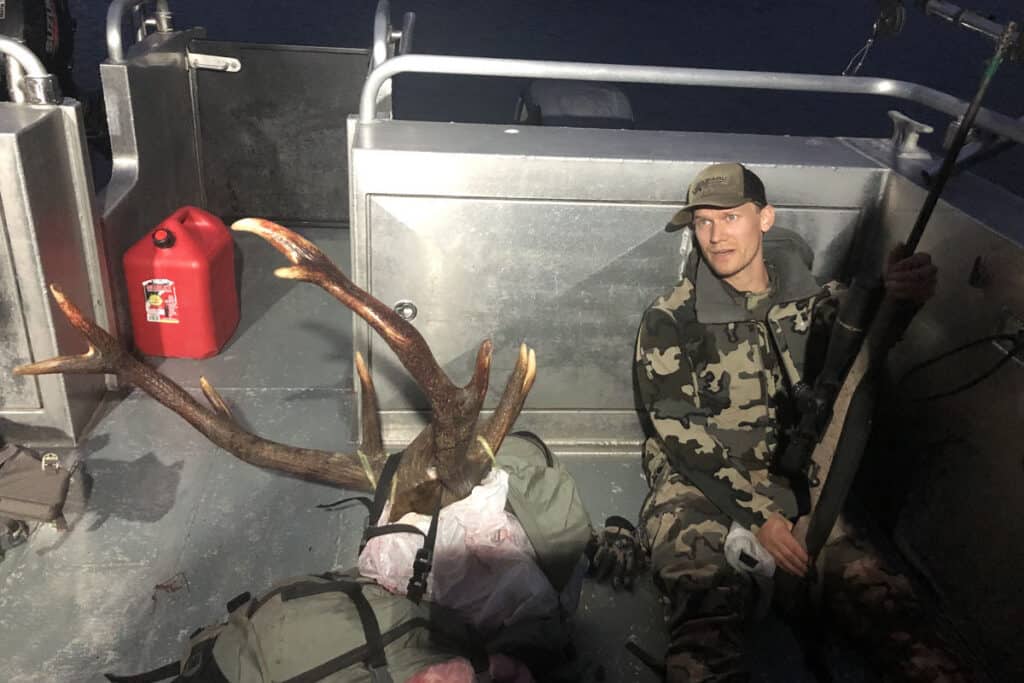
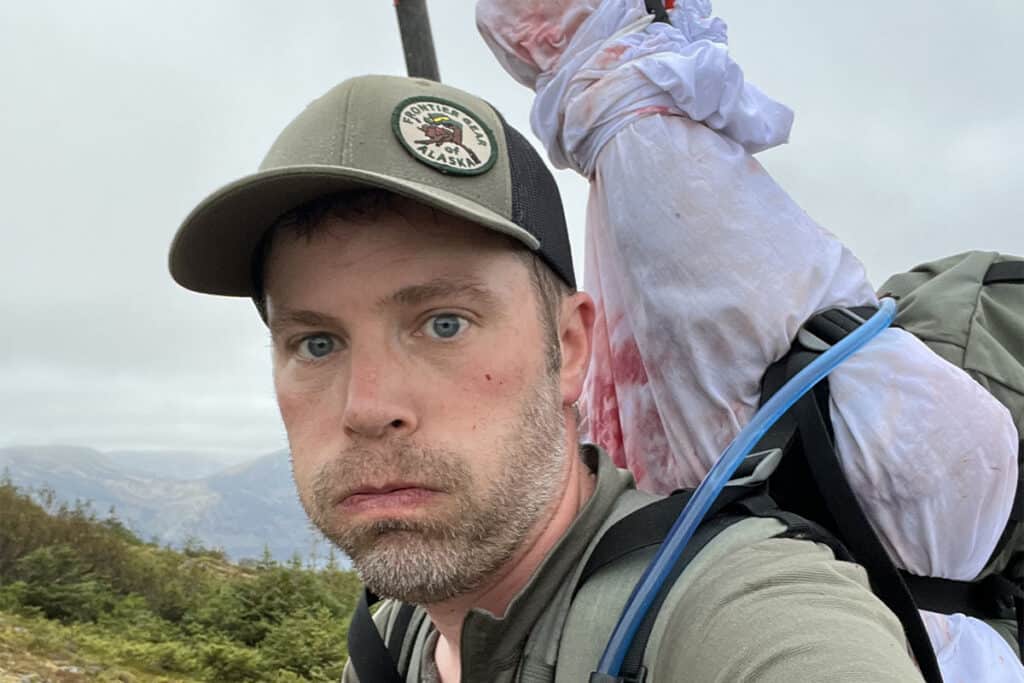
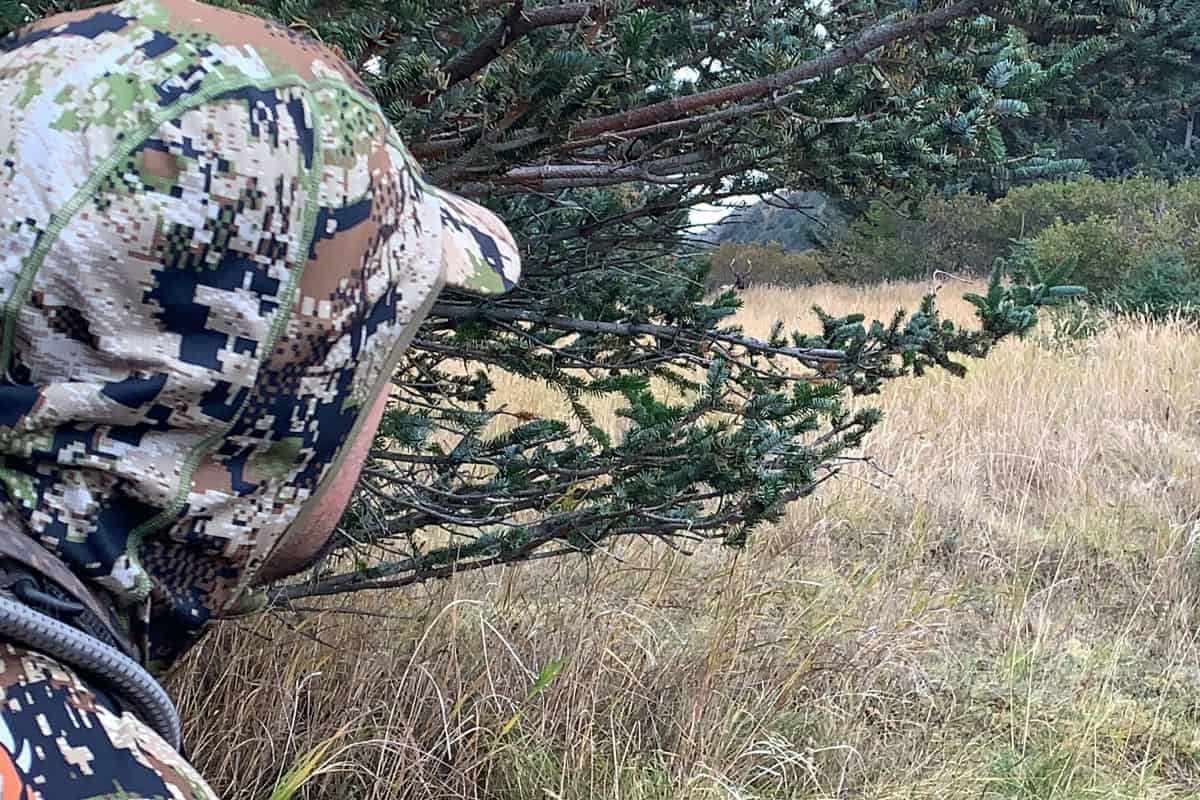
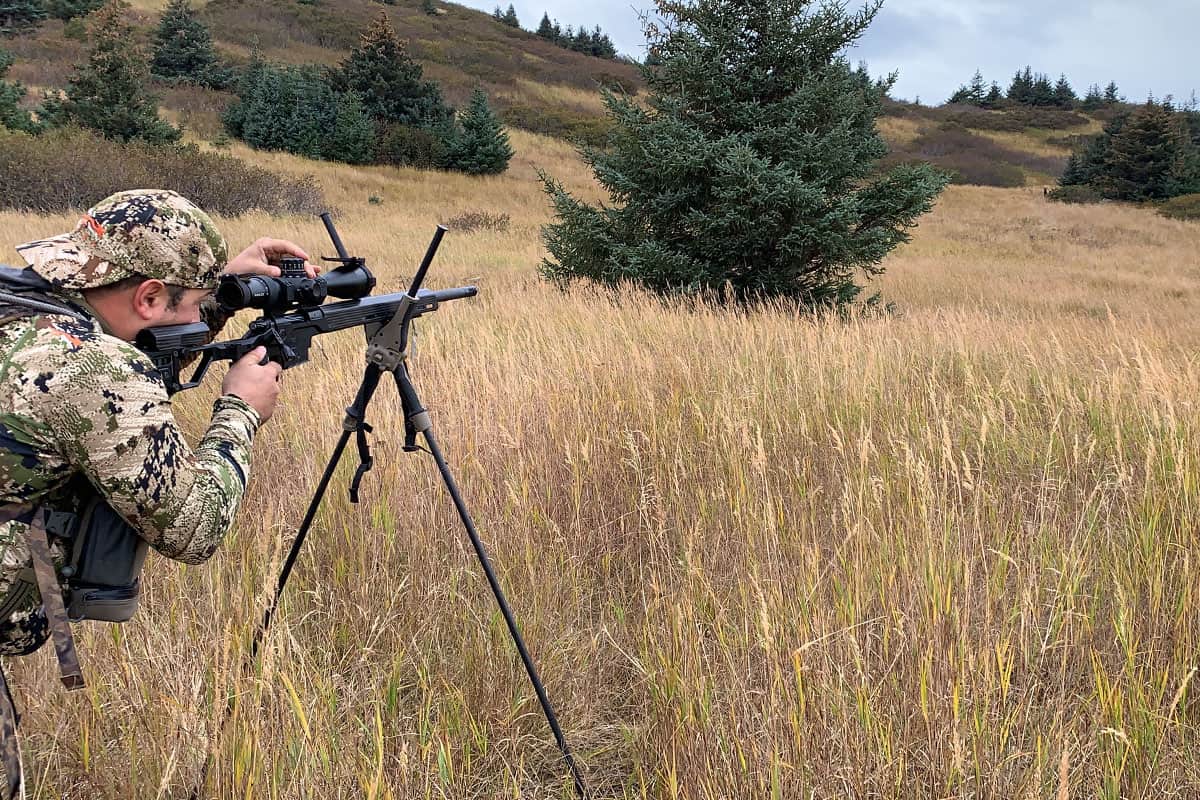
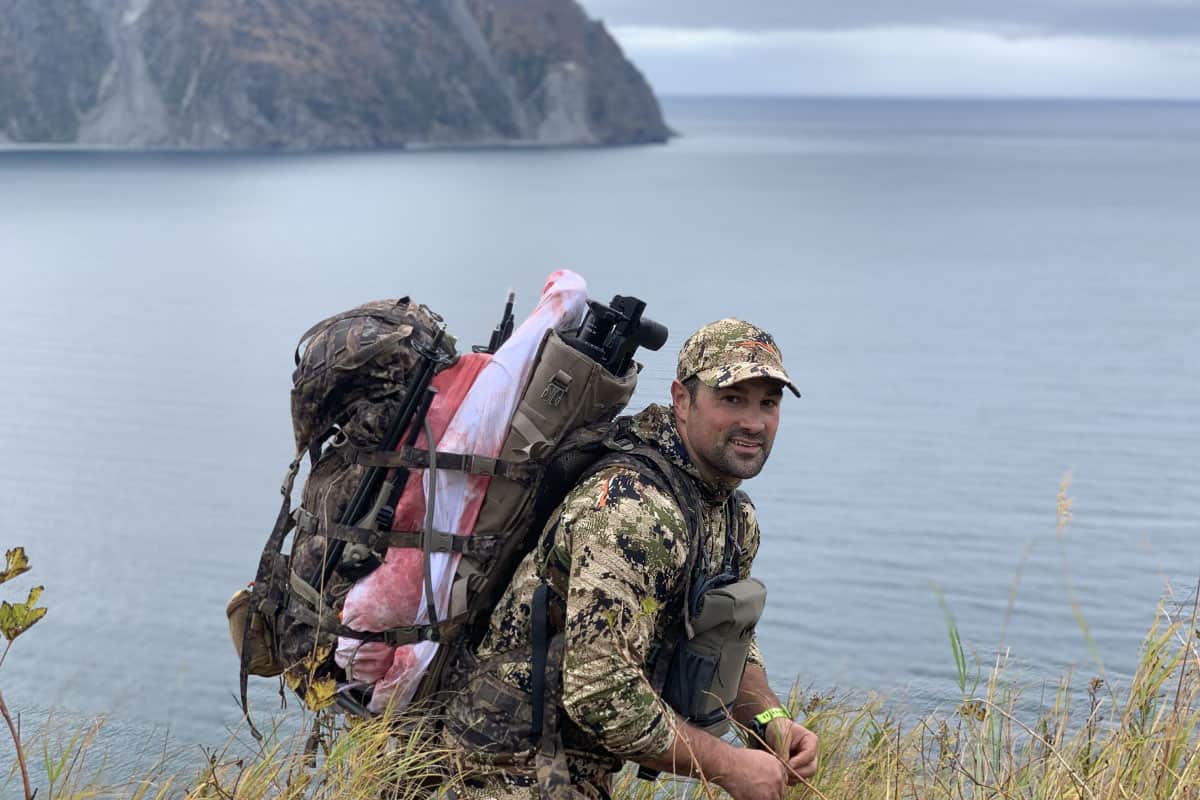
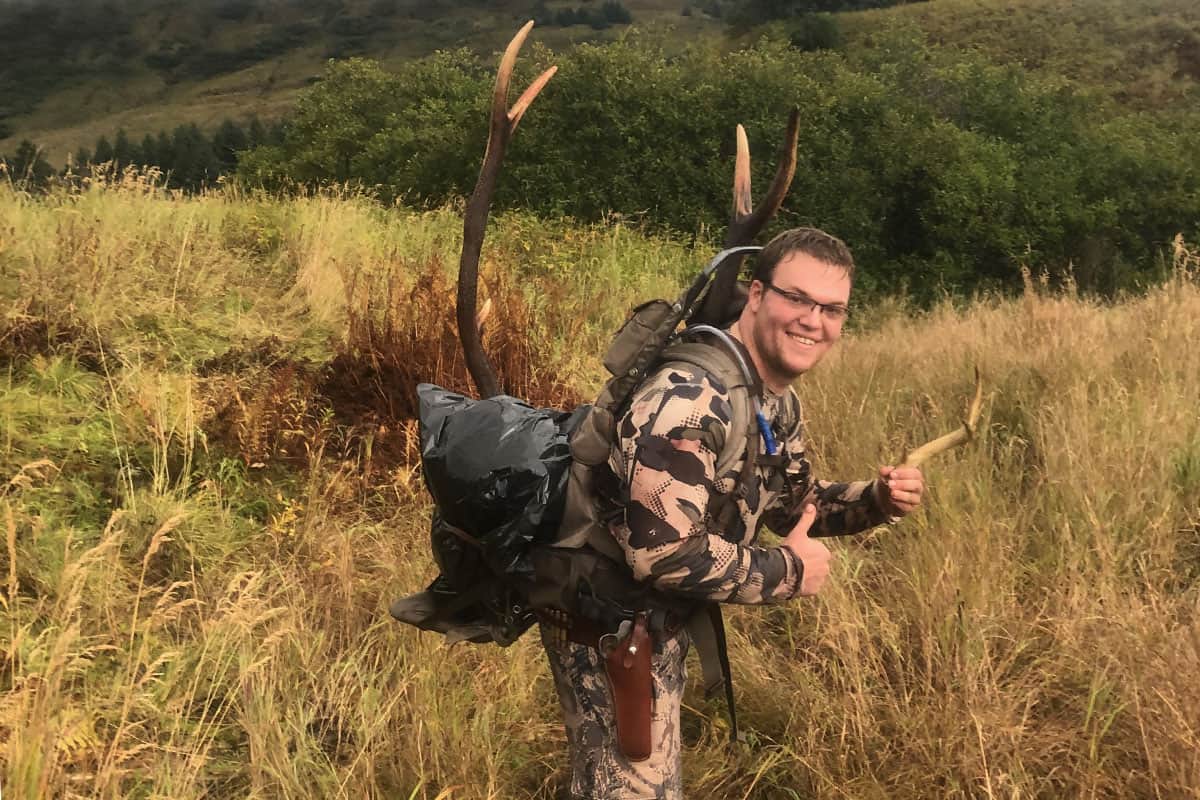
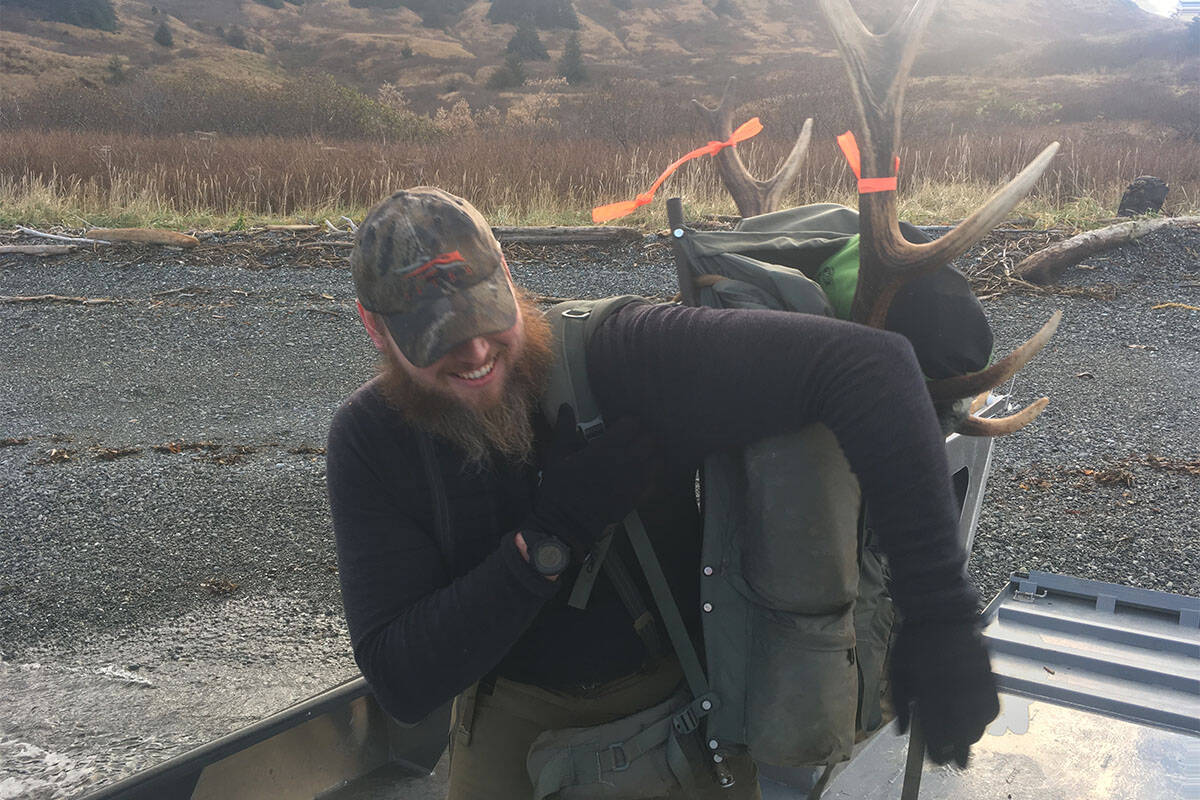
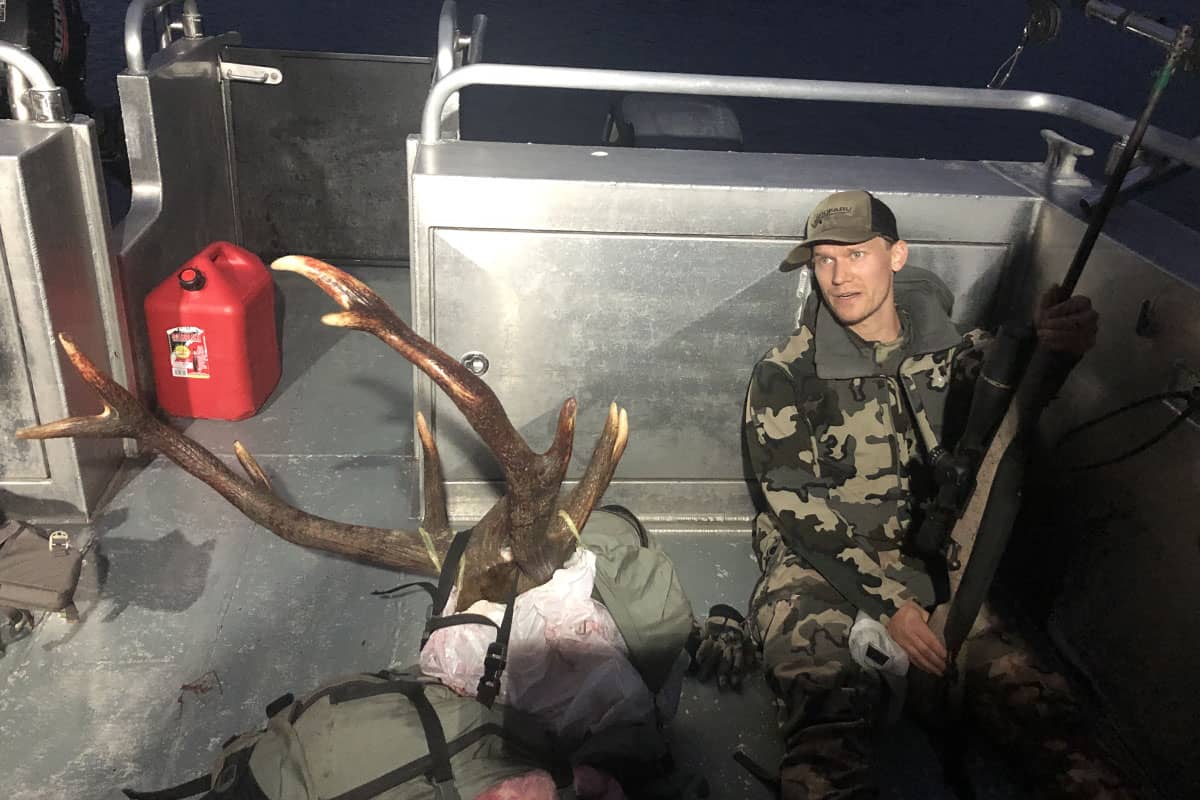
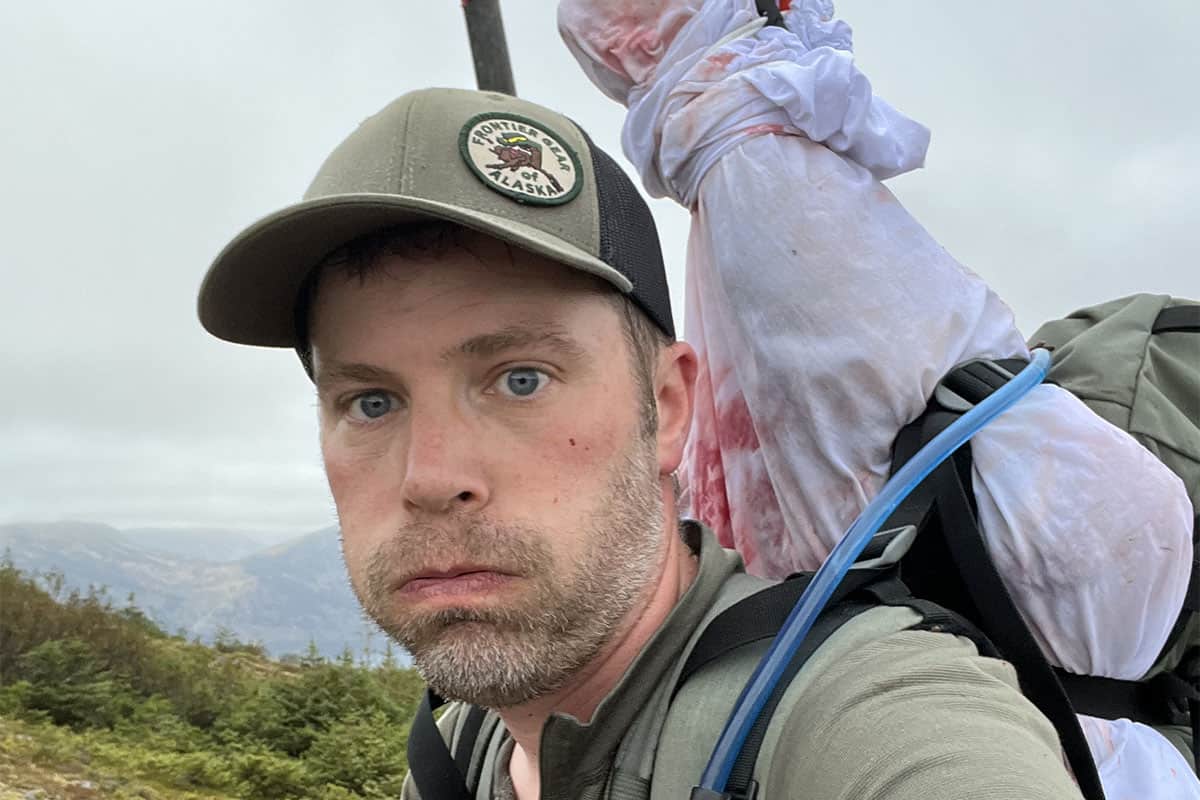
When an elk is spotted, movement becomes deliberate. Using terrain and wind, the goal is to close distance and create a clean, confident shot. Field care and pack-out follow, usually cacheing much of the meat in a tree or behind bear fence for return trips.
Over time, the country becomes familiar, movement more efficient, and decisions more informed. In the end, the experience is defined not only by the harvest, but by the process—moving through wild country, guided by your own instincts and experience, truly hunting, but returning to a comfortable lodge and warm cabin at day’s end.
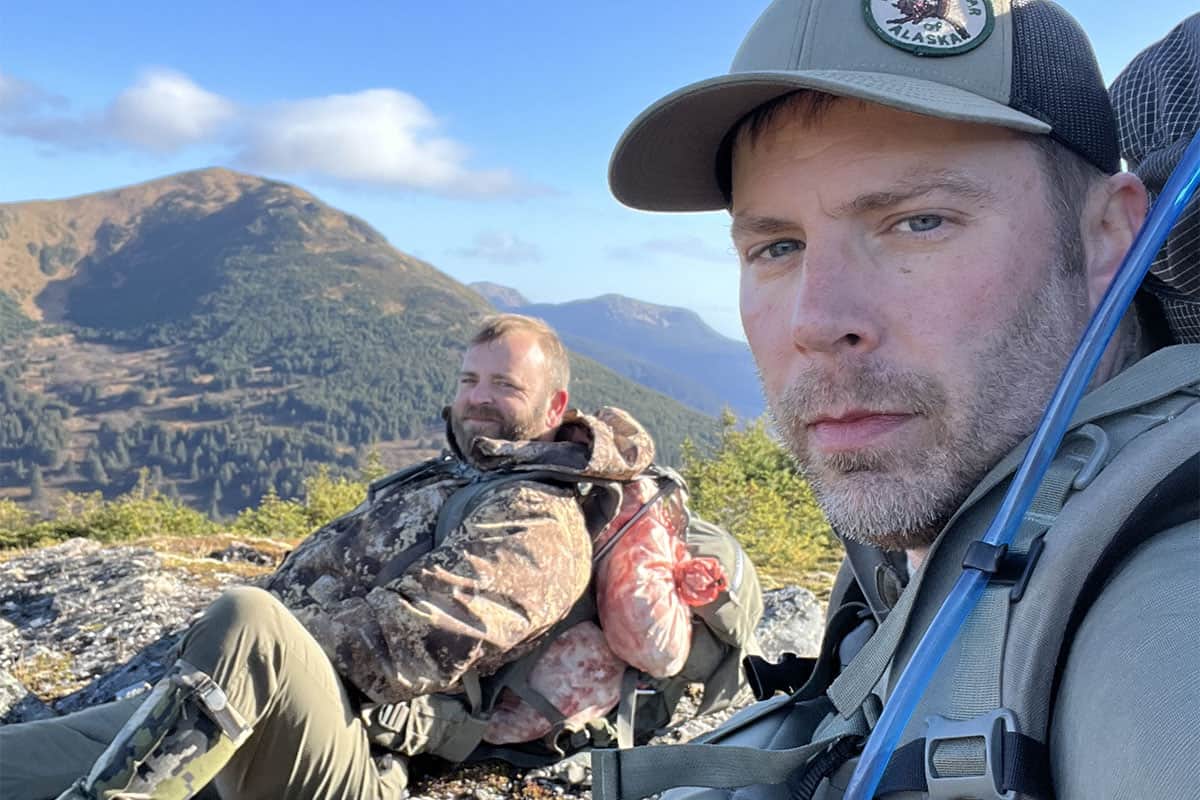
Ed C., AK
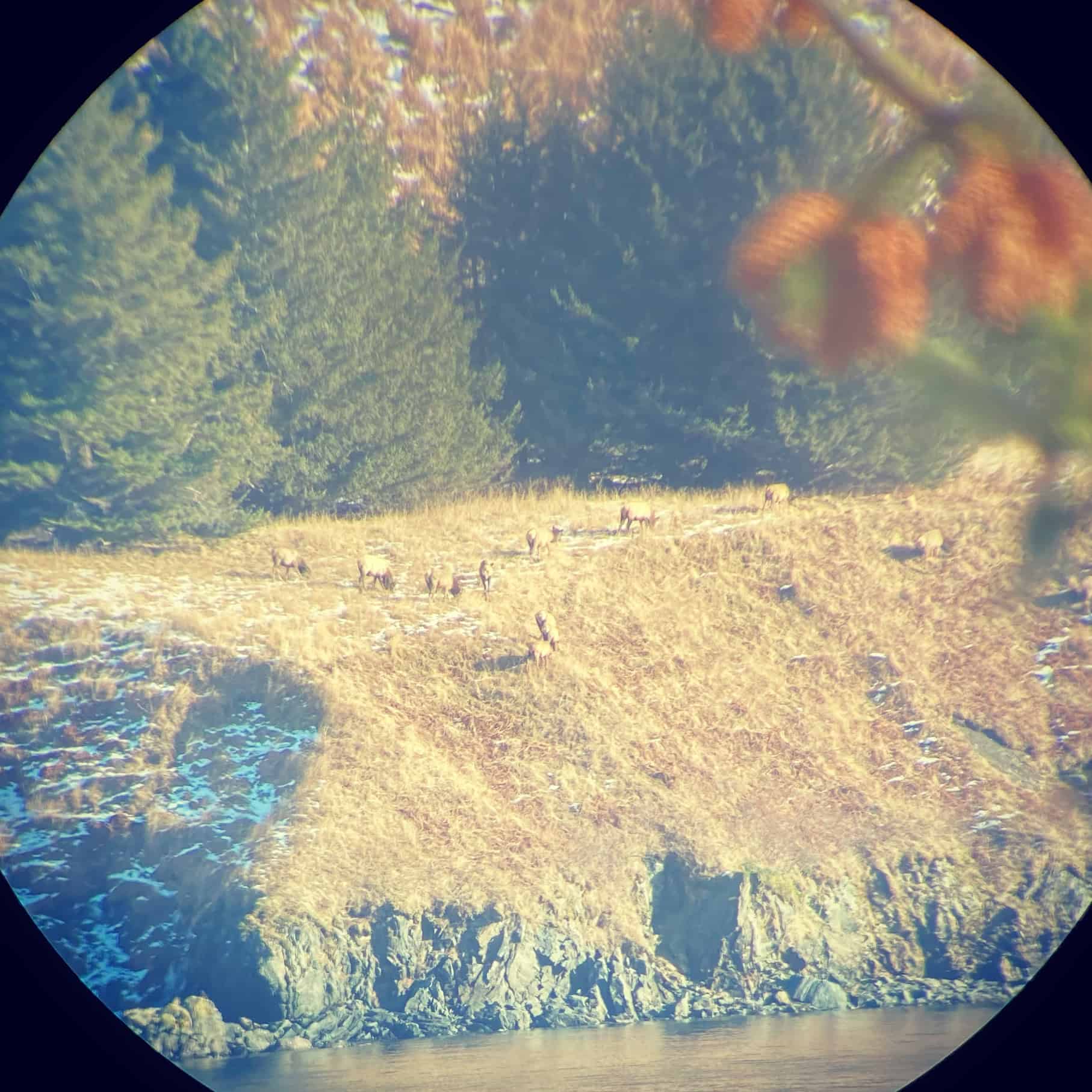
Elk Hunting
Roosevelt elk hunting in remote, boat-accessed wilderness on Raspberry and Southwest Afognak Islands, featuring steep terrain, alpine ridges, and physically demanding fair-chase hunting.